Interior Design Consultation: A Norwich Homeowner’s Guide

A lot of Norwich-area homeowners start in the same place. They know a room isn't working, but they can't tell whether the problem is the sofa size, the layout, the color mix, or the fact that every option starts to look the same after the tenth online tab.
That's where an interior design consultation helps. Not as a formal, intimidating event. Not as a push toward a full remodel. Just as a clear conversation that turns scattered ideas into decisions that fit the room, the budget, and the way the home is used.
For shoppers choosing between in-stock pieces, custom upholstery, dining finishes, or a mattress that needs to feel right in person, that kind of guidance matters. It keeps a project from becoming expensive guesswork, and it makes the whole furnishing process feel much more manageable.
Table of Contents
- Why an Interior Design Consultation Is Your First Step
- Understanding the Different Types of Consultations
- What to Expect During Your Design Meeting
- The Value of Investing in Expert Advice
- How to Prepare for Your Interior Design Consultation
- Your Interior Design Consultation at Gorins
- Common Questions About Interior Design Consultations
Why an Interior Design Consultation Is Your First Step
For many homeowners, the hardest part isn't finding furniture. It's sorting through too much furniture. A room refresh can begin with a simple need, such as replacing an old sectional or updating a bedroom, then quickly turn into questions about scale, fabric, traffic flow, color, and budget.
An interior design consultation gives that project a starting point. It helps narrow choices before money gets spent on the wrong piece or the wrong configuration. That's especially helpful for neighbors in Norwich who want a home that feels personalized for their lifestyle, not copied from a showroom display or a photo online.
This kind of help is far from unusual. The interior design services market is projected to reach USD 153.85 billion in 2026, with residential projects making up 57.39% of the market, and the mid-range tier holding 53.37% in 2025, according to Mordor Intelligence's interior design services market analysis. In plain terms, consultations are a mainstream choice for everyday home projects, not just luxury homes or full new builds.
A good consultation doesn't start with “What style is trending?” It starts with “How does this room need to work on a normal Tuesday?”
Many people also assume they need every answer before they ask for help. They don't. A consultation is often most useful when someone has partial ideas, a few photos, and a sense that the room could work better. For anyone feeling stuck, starting a home design project step by step can make the process feel much less murky.
Understanding the Different Types of Consultations
Some people hear “interior design consultation” and picture a large, expensive project with drawings, contractors, and months of work. That can be part of design services in some situations, but a consultation is usually much simpler. It's a focused meeting built to solve specific room problems and clarify next choices.
A consultation is focused, not overwhelming
A consultation usually centers on questions like these:
- Room fit: Will the sectional block the walkway?
- Scale: Is the dining table too large for the room once chairs are pulled out?
- Style direction: Do these finishes belong together?
- Function: Does the room support reading, entertaining, sleeping, or mobility needs?
- Decision-making: Which option should be ruled out before ordering?
That's why a consultation often works well for furniture shoppers. It doesn't require a whole-house commitment. It can help a homeowner make better decisions for one room.
Some homeowners also like seeing how another design business describes the idea of an initial meeting. Henson's Designs consultation overview offers a useful outside example of how a consultation can begin with needs, preferences, and project goals.
Choosing the right format
The format matters because different projects need different kinds of visibility. A client comparing upholstery fabrics might benefit from being in the store. A client worried about room dimensions or window placement might benefit from help tied closely to the home itself.
| Choosing Your Consultation Type | Best For | Key Benefit |
|---|---|---|
| In-store | Custom furniture, dining sets, mattresses, finish selection | Lets shoppers see scale, touch materials, and compare comfort by feel |
| In-home | Layout questions, lighting concerns, room flow, existing furniture coordination | Shows the actual architecture, natural light, and traffic patterns |
| Virtual | Early planning, quick guidance, long-distance decision support | Makes it easy to review photos, measurements, and inspiration without a home visit |
One option isn't automatically better than the others. The right choice depends on the project.
A shopper trying to choose among fabric colors, arm styles, and cushion feels may get the most value from an in-store meeting. Someone wondering why a room always feels crowded may need an in-home review of circulation and placement. A virtual consultation can be enough when the homeowner already has solid photos and measurements.
For readers who are still unsure where their project falls, how to start the interior design process for a room breaks the decision into manageable first moves.
What to Expect During Your Design Meeting
A lot of anxiety disappears once people know what happens in the room. A design meeting isn't a test. Nobody expects a homeowner to know furniture vocabulary, memorize measurements, or arrive with a perfect style label.
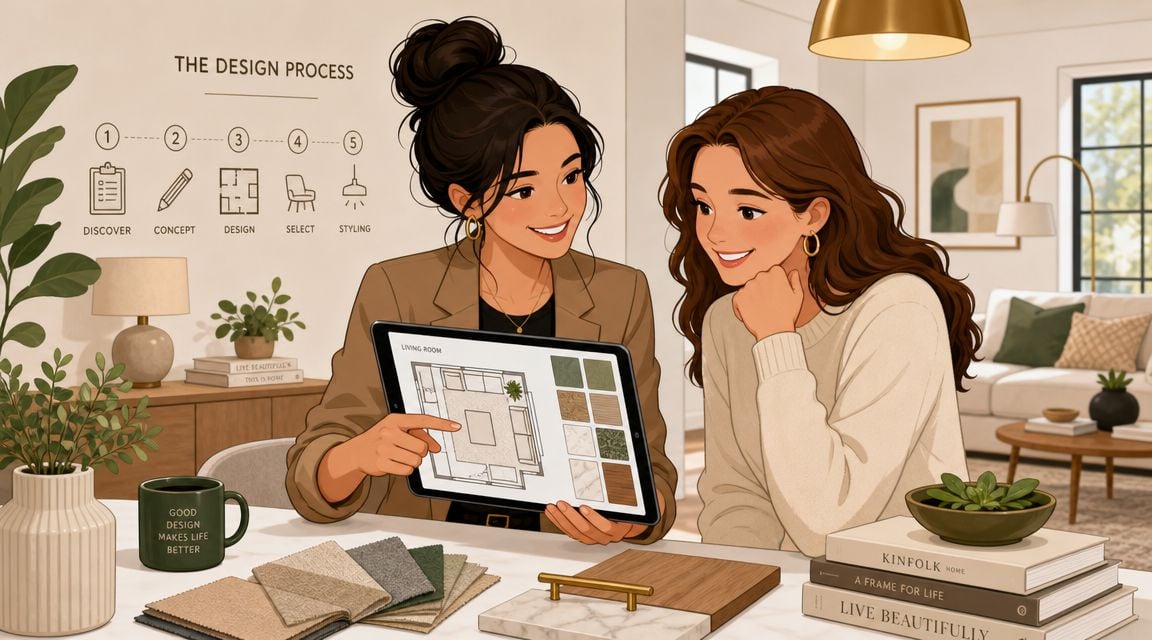
A consultation is a requirements-gathering exercise. The process begins by capturing lifestyle needs and budget boundaries, then uses that information for space planning and concept development so later changes are less likely, as described in The Interior Design Institute's guide to the design process.
The conversation starts with real life
The first part of the meeting usually sounds less like design theory and more like everyday life.
A designer may ask:
Who uses the room most often?
A formal living room and a family movie room need very different seating decisions.What isn't working now?
Maybe the current sofa is too deep, the bed feels unsupported, or the dining chairs are uncomfortable for long meals.What needs to stay?
A rug, inherited table, wall color, or favorite chair can become an anchor instead of an obstacle.What budget range feels comfortable?
That helps shape options before time is spent on choices that won't be realistic.
Practical rule: The more honestly a homeowner describes daily habits, the better the final plan fits real life.
From ideas to practical recommendations
After the discovery part, the meeting usually turns toward the room itself. That can include photos, dimensions, rough sketches, or a discussion of how people move through the space. The goal is to get specific enough that decisions become concrete.
During a consultation, confusion often clears up. A homeowner may arrive saying, “The room feels off.” By the end of the meeting, the problem may be identified more clearly: the rug is too small, the sectional orientation blocks movement, the recliner needs a different placement, or the coffee table shape is fighting the seating layout.
A productive meeting often includes these outputs:
- A layout direction: what goes where, and what should be removed
- A scale check: which sizes make sense before anything is ordered
- A style lane: not every possible look, just the right one for the room
- A shortlist: fewer options, but better ones
- Next-step priorities: what should be decided first
For homeowners planning seating areas, living room layout ideas for real homes can help make those recommendations easier to picture.
The Value of Investing in Expert Advice
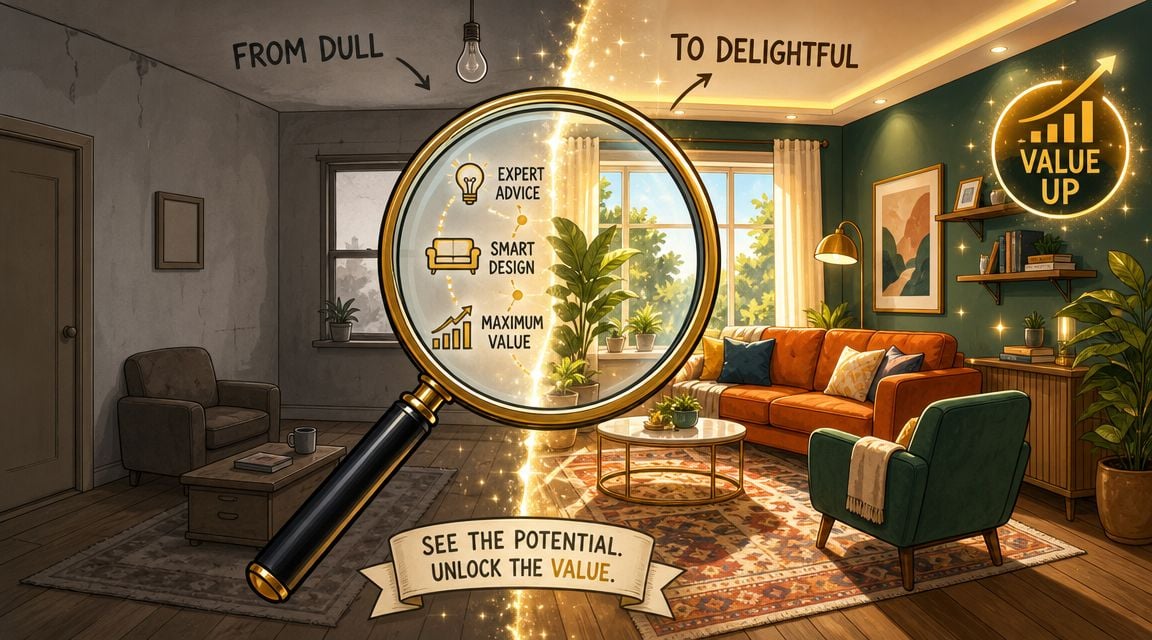
People sometimes frame a consultation as an extra cost. A better way to see it is as protection against expensive uncertainty. The room may still need furniture, but the choices become sharper, faster, and less likely to disappoint once they arrive.
Good advice protects the purchase
Furniture looks simple until a custom order is involved. Then every small decision starts multiplying. Fabric, finish, seat depth, table shape, leaf options, mattress feel, motion features, and room dimensions all interact.
That's why consultation value often shows up in what it prevents:
- A piece that overpowers the room
- A finish that clashes with existing wood tones
- A sectional shape that works on paper but not in traffic flow
- A mattress or chair that looks good but doesn't support comfort
- A custom order that can't easily be corrected later
A room also depends on more than furniture. Light changes how color, fabric, and finishes read throughout the day. Homeowners who want to better understand that layer may find interior designers' lighting techniques helpful as a practical companion to furniture planning.
Comfort and function matter as much as style
A room that photographs well but feels awkward to live in isn't well designed. One of the most overlooked benefits of an interior design consultation is that it can account for sleep, mobility, and aging-in-place needs, not just color and style. As discussed in NA Interiors' article on affordable designer options, consultation decisions should sometimes prioritize ergonomics over appearance, especially when a lift chair or mattress choice solves a real usability problem.
That matters in everyday homes. A seat may need firmer support so getting up feels easier. A bed may need to support healthier sleep, not just match a headboard. A recliner may need the right height and motion for someone recovering from surgery or planning ahead for easier movement.
Better design often looks quieter than people expect. It simply feels easier to live with every day.
This kind of thinking also shortens the buying journey. Instead of considering every product in a category, the shopper focuses on the few options that fit the room, the body, and the budget. Understanding the furniture buying journey from first research to final decision can help homeowners see where guidance makes the biggest difference.
How to Prepare for Your Interior Design Consultation
A strong meeting starts before anyone sits down together. Preparation doesn't have to be fancy. It just has to be useful. A few specific details will do more than a long speech about liking “modern but cozy but traditional too.”

Experienced designers recommend bringing photos, measurements, and budget information so the conversation can move toward decisions about dimensions, surfaces, and finishes, which improves proposal accuracy, according to IDBS guidance on what to take to a consultation.
What to bring
A homeowner doesn't need architectural drawings. A practical starter kit is enough.
- Room photos: Take pictures from each corner, plus any problem areas such as windows, doorways, radiators, or tight walkways.
- Basic measurements: Wall lengths, ceiling height, window sizes, and the footprint of any piece that must stay.
- Inspiration images: Save rooms, fabrics, finishes, or layouts that feel close to the desired look.
- Current pain points: Write down what's bothering the household now so those issues don't get forgotten in the meeting.
- Budget range: Even a broad range helps narrow decisions faster.
If measurements feel intimidating, a simple measuring guide helps. How to measure furniture for a room is a useful place to start before the appointment.
What to think through before the meeting
The most productive consultations don't begin with “just make it pretty.” They begin with a small design brief, even if the homeowner never calls it that. For readers who want help organizing thoughts, design brief tips and templates can make pre-meeting planning much easier.
A homeowner can prepare by answering a few simple questions:
How is the room used daily?
Reading room, family room, guest room, dining room, sleep space, or all of the above?Who needs to be comfortable there?
Kids, pets, older adults, frequent guests, or someone with mobility concerns?What feeling should the room have?
Calm, gathered, formal, relaxed, quiet, bright, or cozy?What must stay the same?
Flooring, paint, artwork, a dining table, or a favorite recliner?What would count as success?
Easier entertaining, better sleep, more seating, less clutter, or a layout that finally makes sense?
Bring enough information to make decisions, not enough to overwhelm the process.
That balance matters. Too little information keeps the meeting vague. Too much unrelated inspiration can muddy the water. The sweet spot is a clear snapshot of the room and how the household lives in it.
Your Interior Design Consultation at Gorins
For local homeowners, the store consultation becomes most valuable when the purchase itself involves choices that can't be reduced to one quick glance. That's especially true with custom dining, custom upholstery, reclining furniture, and mattresses that need to be judged by feel as much as by label.
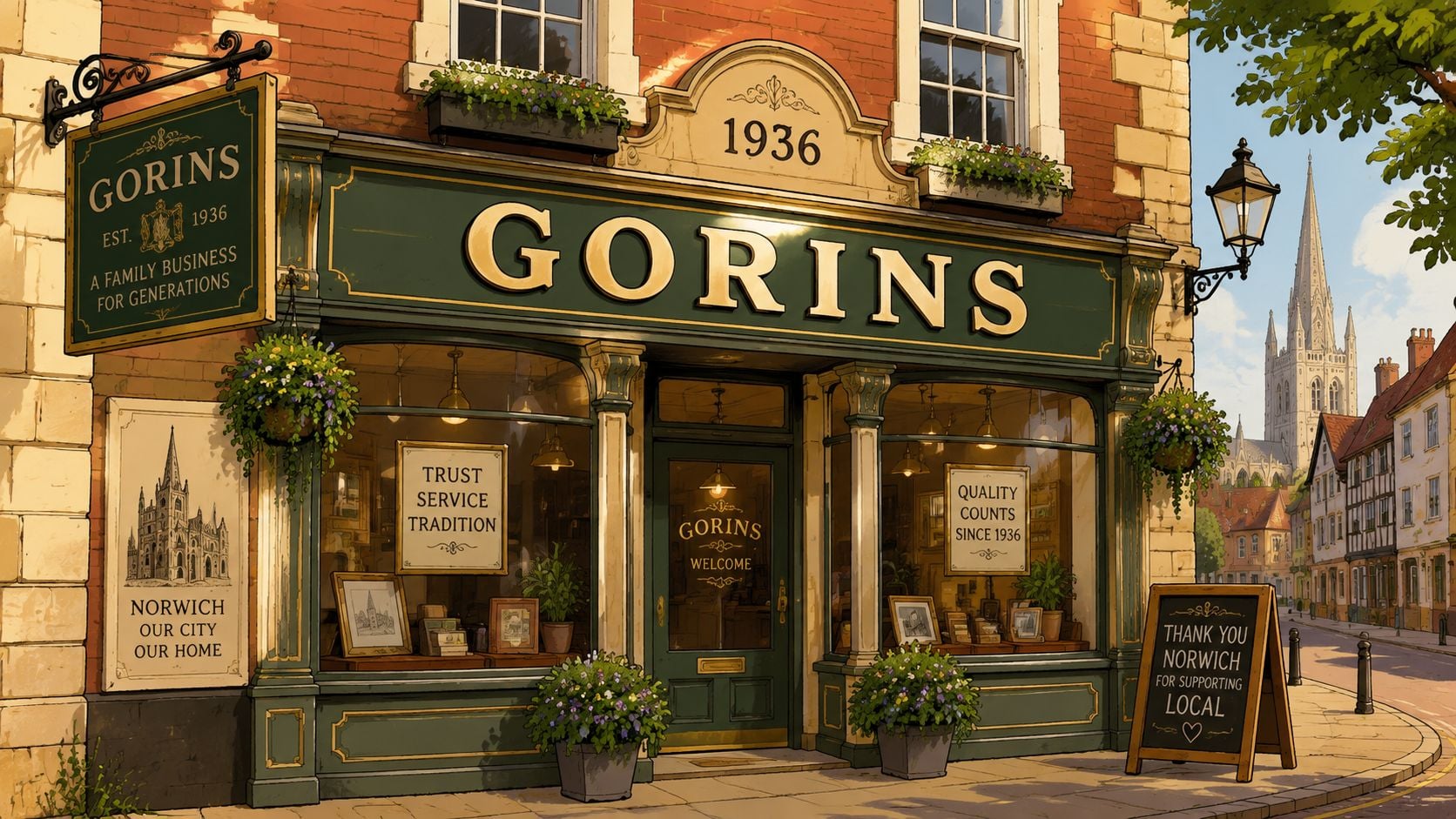
Since 1936, this locally owned, family-operated business has helped Norwich and Eastern CT households furnish homes with a mix of helpful service, value, and customization. That local history matters because consultations often work best when they're grounded in how real families shop. Not in abstract design talk.
Why custom orders need guidance
A common gap in design content is explaining how a consultation helps someone who plans to buy furniture separately rather than hire a full-service designer. The value often isn't the fee format. It's the way the meeting reduces mismatch risk in custom furniture decisions, especially when upholstery, finish, and configuration choices create thousands of combinations, as described in Smith & Ragsdale's discussion of interior design services.
That's where a store-based consultation becomes practical. A shopper choosing a Canadel Custom Dining set may need help aligning table size, wood finish, chair fabric, and room proportions. Someone considering the F9 Custom Sofa series may need to sort through arm styles, seat comfort, and configuration options without second-guessing every choice.
One option available locally is Gorins Furniture & Mattress, where in-store consultations can help shoppers review custom possibilities, compare materials in person, and narrow decisions before an order is placed.
A local process with less pressure
The strongest consultations feel calm. They don't rush people into a style label or a final answer on the spot. They help homeowners compare what fits, what functions well, and what gives long-term value.
That matters for more than living rooms. A consultation can also guide:
- Dining spaces: choosing a table shape that suits both the room and daily use
- Bedrooms: finding comfort-oriented support in The Sleep Gallery with brands such as Tempur-Pedic, Serta, and Beautyrest
- Mobility-focused seating: exploring options like UltraComfort lift chairs
- Living rooms: selecting durable, investment-grade quality from brands such as Flexsteel or Best Home Furnishings
Financial planning is part of the practical reality too. Promotional financing with equal monthly payments can make a larger room update more manageable for families who want to furnish thoughtfully instead of settling too quickly.
Common Questions About Interior Design Consultations
A few practical questions tend to come up right before someone books a meeting. The table below answers the ones heard most often.
| Frequently Asked Questions | Answer |
|---|---|
| Is a consultation only for people doing a full remodel? | No. It can be useful for a single room, a custom sofa order, a dining update, or a mattress decision. |
| Does someone need to know their style before booking? | No. Many people come in with mixed ideas. A consultation helps narrow those into a clearer direction. |
| Is there pressure to buy immediately? | A good consultation should clarify decisions, not create pressure. The purpose is to reduce confusion and help the homeowner choose well. |
| What if the room has to serve several needs? | That's common. Family rooms, guest rooms, and bedrooms often need to do more than one job. A consultation helps prioritize what matters most. |
| Can a consultation help with comfort, not just looks? | Yes. Seating height, mattress support, ease of movement, and everyday usability are all valid parts of the discussion. |
| What if budget matters a lot? | Budget should be part of the conversation early. It helps keep recommendations realistic and useful. Promotional financing can also help some shoppers spread out a purchase with equal monthly payments. |
An easy first move for anyone still sorting out their preferences is a style quiz. That can make the conversation feel less abstract before the visit.
Since 1936, Gorins Furniture & Mattress has helped Norwich and Eastern CT families create homes they love. From custom-designed Canadel dining sets to Tempur-Pedic comfort in The Sleep Gallery, the showroom combines personalized guidance with quality, value, and 5-Star Delivery service. Readers who want a clearer path forward can visit the Norwich showroom, take the online Style Quiz, or browse the Clearance section for value-driven savings.