Custom Made Dining Table: Your Norwich CT Design Guide

A lot of dining table frustration starts the same way. A household tries to make an almost-right table work. Weeknight dinners feel cramped, chairs scrape the wall every time someone stands up, and holiday meals turn into a shuffle of folding furniture that never quite matches the room.
That's why a custom made dining table appeals to so many homeowners and renters across Eastern Connecticut. It solves practical problems first. It can fit the room correctly, support the way the household eats and gathers, and reflect the style of the home instead of fighting it. For neighbors in Norwich and surrounding communities, that makes the process less about luxury for luxury's sake and more about getting a centerpiece that finally feels right.
Table of Contents
- Why a Custom Dining Table Is a Worthwhile Investment
- The Foundation Choosing Your Table Shape and Size
- Material Matters Wood Types Finishes and Durability
- Bringing Your Vision to Life with Canadel Customization
- Budgeting for Your Investment-Grade Table
- The Ordering Process From Design to Delivery
- Caring for Your Custom Table for a Lifetime of Memories
- Start Designing Your Dream Dining Table Today
Why a Custom Dining Table Is a Worthwhile Investment
One of the most common dining room problems isn't bad taste. It's compromise. A table gets handed down, picked up in a hurry, or bought because it was available, and then the room has to work around it for years.

A custom made dining table changes that order. The room comes first. The household's routines come first. Daily breakfast, homework spread across the tabletop, weekend takeout, holiday hosting, and extra seating for visiting family all get considered before a single finish is chosen.
That's why custom often feels calmer once the process begins. Instead of trying to squeeze a standard table into a nonstandard home, the household chooses dimensions, shape, finish, and seating style with purpose. People who are curious about crafting timeless furniture pieces usually find that the true value is fit, not ornament.
The value goes beyond appearance
A dining table gets used hard. It handles plates, elbows, laptops, school projects, game nights, and the occasional rushed grocery bag dropped on top of it. A piece that's sized properly and built with long-term use in mind tends to feel better every day, not just on delivery day.
Practical rule: A good dining table should solve problems that show up every week, not just look nice in a photo.
A broader market view also helps explain why this category matters. The global dining table market was valued at USD 9.19 billion in 2026 and is projected to reach USD 16.01 billion by 2034, reflecting 7.19% CAGR according to Fortune Business Insights dining table market projections. That projection doesn't prove that every household needs custom, but it does show that dining furniture remains a meaningful and durable part of how people furnish their homes.
Why local guidance matters
A made-to-order table comes with more decisions than an off-the-floor option. That can feel exciting, but it can also create hesitation. The best outcomes usually come when someone helps translate style preferences into practical choices, especially around room size, table shape, finish durability, and delivery access.
For Norwich-area households, that kind of guided process can make the difference between a table that merely fits and one that feels like it belongs there.
The Foundation Choosing Your Table Shape and Size
The biggest mistake in dining furniture usually happens before wood species or stain color ever enter the conversation. The table is too large for the room, or the shape works against the way people move through the space.
Start with the room, not the table
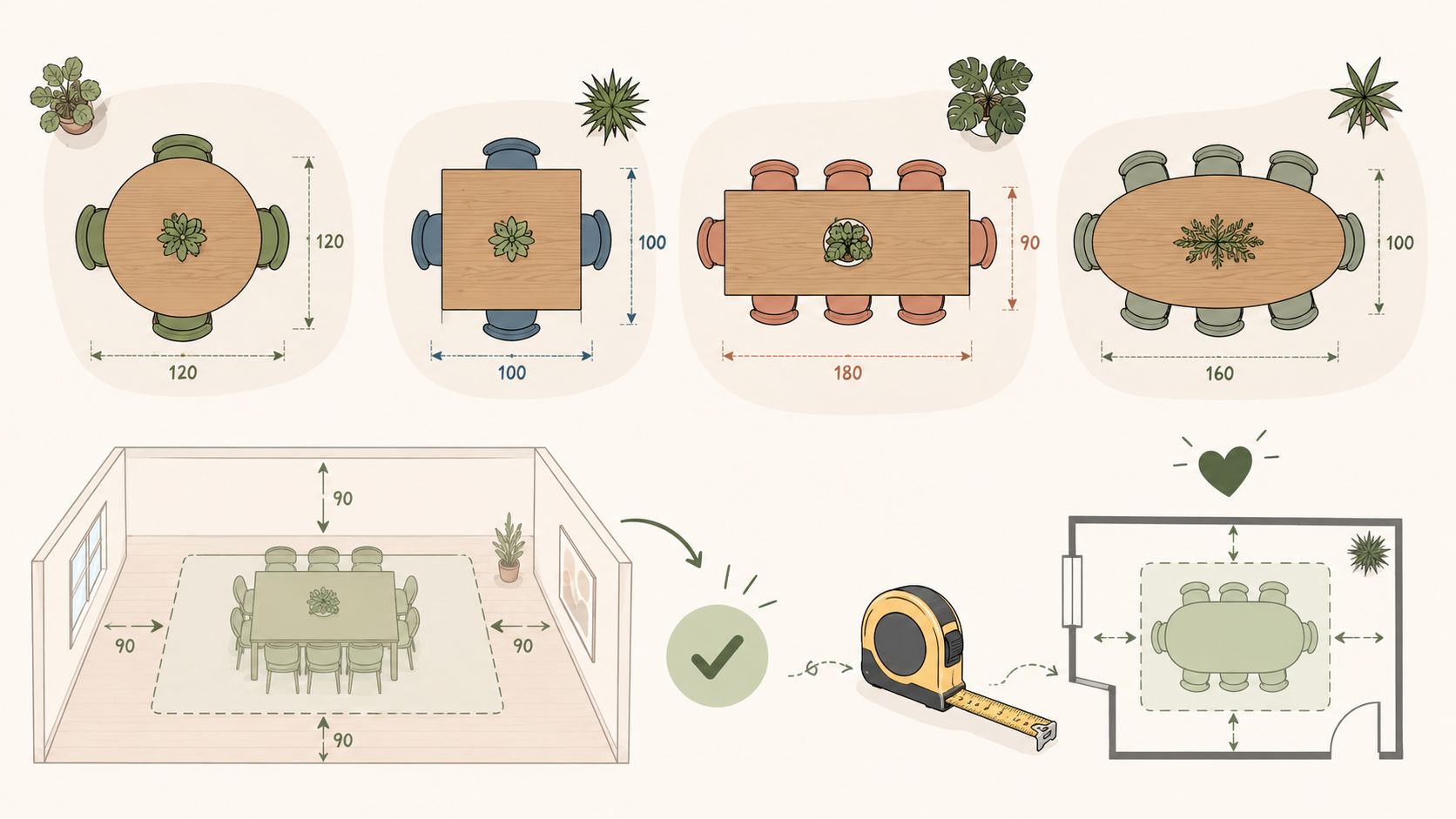
A dining table needs breathing room. Independent design guidance commonly recommends leaving roughly 36 inches between the table edge and walls or other furniture for comfortable circulation, and 48 inches in tighter traffic areas, as noted in this small dining space clearance guide.
That clearance rule confuses people because they measure only the tabletop. Chairs need room too. People need to sit down, scoot back, and walk behind someone who is already seated. Thinking of it like parking a car helps. The car isn't the only thing that needs space. The doors have to open.
A simple measuring routine helps:
- Measure the full room. Include nearby furniture that can't move.
- Subtract circulation space. Leave enough room around all sides for chairs and walkways.
- Mark the footprint on the floor. Painter's tape works well because it turns an abstract number into a visible shape.
- Test real movement. Pull out a chair, walk past it, and notice where the room starts feeling tight.
For households that want a more guided planning tool, Gorins offers a dining table size guide that helps translate room measurements into a realistic table footprint.
How shape changes the feel of the room
Shape affects more than style. It changes traffic flow, conversation, and how visually heavy the table feels.
| Shape | Works well when | Watch for |
|---|---|---|
| Round | The room is compact or conversation is the priority | It can limit seating growth in longer rooms |
| Rectangular | The room is longer and regular family seating is needed | It can overpower a tight dining area |
| Oval | The household wants softer edges without losing length | It still needs careful clearance planning |
| Square | The room is more balanced and seating is intimate | It can feel crowded fast in small spaces |
The right shape often makes a room feel larger without changing a single wall.
Round tables tend to soften smaller spaces because there are no corners interrupting movement. Rectangular tables usually suit larger family dining patterns because they make length work harder. Oval tables split the difference. They keep some of the capacity of a rectangle but visually relax the room a bit.
When a custom made dining table starts with correct sizing, every later decision gets easier. The finish looks better because the proportions are right. The seating works better because chairs have room to move. The room stops feeling like it's negotiating with the furniture.
Material Matters Wood Types Finishes and Durability
People often fall in love with a table because of its silhouette, but they stay happy with it because the material suits real life. Surface feel, grain character, color depth, and finish resilience all shape how the table performs over time.
A simple way to think about materials
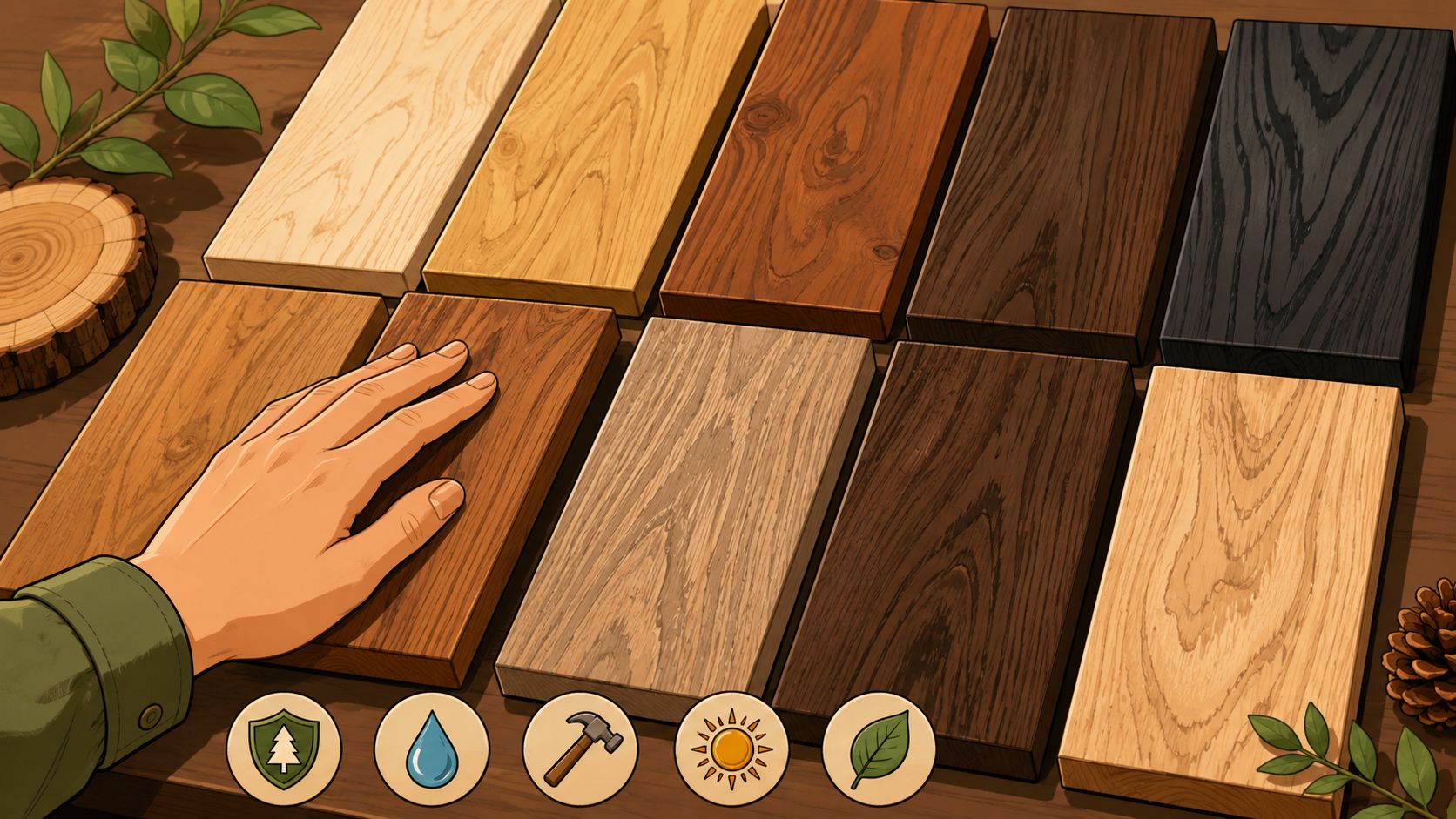
Instead of getting lost in a long species list, it helps to think in three levels.
- Good for casual use: Veneer or mixed-material construction can suit households focused on appearance and lighter daily wear.
- Better for busy homes: Well-built wood-based tables with durable protective finishes often strike a balance between style and practicality.
- Best for longevity: Solid wood usually appeals to buyers who want a more investment-grade piece, especially when the goal is long-term use and the possibility of refinishing down the road.
That doesn't mean every household needs the highest-spec option. It means the material should match the way the table will be used. A formal dining room that sees occasional dinners can tolerate choices that might frustrate a household using the table for every meal, homework session, and craft project.
Wood choice also affects mood. Some woods read clean and precise. Others feel rustic, warm, or more textured. The same stain can look more modern on one species and more traditional on another, which is why in-person sample viewing matters so much.
Households also benefit from thinking about the table in context with nearby surfaces. Someone comparing wood finish warmth against counters, flooring, and cabinet color may find helpful crossover ideas in your kitchen countertop buyer's guide, especially when trying to avoid too many competing undertones in one room.
Finishes change both look and livability
Finish is where many buyers get tripped up. They treat it like a color decision when it's really a lifestyle decision too.
A smooth, more protected finish often fits households that want easier wipe-downs and a cleaner visual line. A textured or distressed finish can disguise everyday character marks better, which some families prefer because the table keeps a relaxed, lived-in look. Neither is automatically better. The right choice depends on whether the household wants polish, softness, or forgiveness.
A finish should match the home's habits as much as its style.
A useful showroom exercise is to ask three practical questions before deciding:
- How will this table be used most days? Daily dining creates different wear than occasional entertaining.
- What kind of marks will bother the household? Some people dislike visible scratches. Others dislike fingerprints or glossy glare more.
- Should the table age subtly or show character? Both approaches are valid, but they lead to different finish preferences.
For buyers comparing hardwood options and trying to understand how wood selection affects lifespan and visual style, this guide to choosing the right hardwood for longevity and style gives a useful foundation.
Matching material to the household
A family with young children may prioritize durability and low-stress maintenance. An empty nest household furnishing a dedicated dining room may care more about grain beauty and a more formal finish. A condo owner may want a table that visually lightens the room even if the material still feels substantial.
That's the true material conversation. Not just what looks good under showroom lights, but what still feels right after hundreds of meals.
Bringing Your Vision to Life with Canadel Customization
Once the size, shape, and material direction are clear, the fun starts. This is the point where a table shifts from an idea to a specific piece that can reflect the room, the household, and the way the space gets used.

Canadel stands out here because the program is built around meaningful choice. The appeal isn't endless variation for its own sake. It's that a household can adjust the details that change how the table looks and lives in the room. The Canadel line available through Canadel custom dining options at Gorins offers thousands of combinations, which gives people room to tailor a dining set instead of settling for the nearest approximation.
What households usually want to customize
Most buyers don't need to reinvent furniture design. They usually want control over a handful of visible, practical decisions.
- Table dimensions and shape: This determines whether the table feels easy in the room or constantly in the way.
- Base style: Legs, pedestals, and other base looks can shift the table from farmhouse to refined to transitional.
- Wood and finish: These choices shape the personality of the piece more than almost anything else.
- Chair pairing: The right chair can make the entire set feel cohesive, lighter, softer, or more formal.
- Upholstery choices: Fabric or leather details help connect the dining set to nearby flooring, window treatments, or living spaces.
A lot of shoppers worry that too many options will make the process harder. In practice, the opposite often happens. Once the table size is fixed and the material direction is narrowed down, the rest of the choices become much easier to evaluate.
Why seeing options in person helps
Screens are useful, but wood finish and scale are hard to judge digitally. A brown finish can read warm on one sample and cool on another. A base that seems light in a photo can feel visually heavy in person. Chair comfort is especially difficult to predict without sitting down.
That's where a physical showroom still matters. Households can compare finishes side by side, test chair comfort, and see how a pedestal base feels versus corner legs. Those details reduce second-guessing.
One local option for this kind of design process is Gorins Furniture & Mattress, where shoppers can work through custom dining choices in person, including Canadel configurations, with a focus on dimensions, finishes, and seating combinations that suit the home.
Some decisions become obvious only when the samples are in front of the buyer and the room measurements are already in hand.
The best custom results usually come from a sequence. First the room gets measured. Then the shape gets narrowed. Then the material and finish create the mood. Then the chairs complete the story. When those layers happen in order, the final table feels intentional instead of accidental.
Budgeting for Your Investment-Grade Table
Budget matters because custom dining isn't a casual add-on purchase. It sits in a premium tier, and buyers usually feel more comfortable once the pricing details are clear from the start.
What drives the price
One recent industry pricing guide breaks custom solid-wood dining tables into three practical brackets: $1,500 to $2,500 for smaller casual or compact tables, $2,500 to $5,000 for a core family dining table, and $5,000 to $8,500+ for a statement or estate table, according to this custom dining table budgeting guide.
That same guide notes that the entry tier typically fits tables about 5 to 6 feet long and seats 4 to 6 people, which helps explain why price changes as size and seating demands increase. Buyers often assume finish is the only price variable, but size, construction complexity, and the overall scale of the piece can matter just as much.
A helpful way to think about the budget is to connect it to use:
| Budget range | Typical fit |
|---|---|
| $1,500 to $2,500 | Compact or casual spaces |
| $2,500 to $5,000 | Everyday family dining needs |
| $5,000 to $8,500+ | Large-format or statement dining rooms |
Custom pricing can feel high at first glance because mass-produced furniture has conditioned many shoppers to expect lower opening prices. The tradeoff is that a custom table is built around the room and the household rather than around a generic standard size.
How financing can make custom easier to manage
A premium purchase doesn't have to mean paying for everything at once. Promotional Financing with equal monthly payments can make a custom made dining table more approachable for households that want the right piece now without forcing the entire investment into one payment cycle.
That matters especially for families furnishing multiple rooms at once, moving into a new home, or coordinating dining updates with living room or bedroom purchases. Financing doesn't change the value equation, but it can reduce timing pressure and make a more durable long-term choice feel realistic.
For many shoppers, the smart budget question isn't “What's the cheapest table available?” It's “What level of quality, fit, and customization makes sense for how this room will be used over time?”
The Ordering Process From Design to Delivery
Custom ordering feels much less mysterious when the steps are visible. Most anxiety comes from not knowing what happens after the final finish swatch is approved.
What happens after the order is placed
The order usually begins with a full review of the selected details. That includes dimensions, shape, base style, finish, seating selections, and any upholstery choices. This check matters because custom furniture is built to the approved specifications, so clarity up front prevents avoidable surprises later.
After that, the order moves into production. Since the table is made to the selected specifications rather than pulled from stock, patience is part of the process. Households that want a broad overview of what custom ordering typically involves can use this custom order getting started guide as a planning reference.
A practical checklist helps keep the process smooth:
- Save the measurements: Keep room dimensions and the chosen table size in one easy-to-find place.
- Confirm access paths: Entry doors, stairwells, and tight corners matter just as much as the dining room itself.
- Review the full set: If chairs, benches, or storage pieces are included, verify that all selections coordinate the way the household expects.
- Plan around the room: Some buyers prefer to wait on rugs, lighting, or wall art until the table is finalized.
Custom furniture asks for more patience up front, but it usually gives back much more confidence in the finished room.
Why delivery planning matters
Delivery day is where good planning pays off. A made-to-order dining table can be substantial, and proper placement matters because moving it repeatedly after setup increases the risk of scraped walls, strained joints, and unnecessary stress.
Professional delivery and assembly also matter because dining tables often arrive in components. Bases, tops, and seating pieces need careful handling. When the setup team places the table correctly the first time, the room can be evaluated with chairs in position and walking clearances intact.
Local accountability makes a difference here too. When a household buys custom from a nearby showroom rather than a distant source, communication tends to feel more direct. Questions about status, access, placement, or service can usually be handled with less friction.
The process isn't complicated. It just works better when each step is deliberate.
Caring for Your Custom Table for a Lifetime of Memories
A custom dining table doesn't need fussy treatment, but it does benefit from steady habits. Most long-term wear comes from small repeated behaviors, not one dramatic accident.
Easy habits that protect the finish
The easiest care routine is usually the most effective:
- Use soft cleaning methods: Gentle wiping with appropriate products helps preserve the finish better than harsh chemicals.
- Keep heat off the surface: Trivets under hot dishes protect against finish stress.
- Catch moisture early: Coasters and quick wipe-ups help prevent water rings or lingering damp spots.
- Add a barrier for daily life: Placemats can reduce scratches from dishes, schoolwork, and everyday sliding.
- Watch seasonal changes: New England homes can shift with changing humidity, so stable indoor conditions help wood stay comfortable.
For households that want a more complete routine, this wood furniture care guide is a helpful reference.
A good dining table should be lived on, not guarded like a museum piece. The goal is simple. Protect the finish from preventable damage, clean it thoughtfully, and let the table gather the kind of wear that comes from real family use.
A well-chosen table becomes more meaningful as memories collect around it.
Start Designing Your Dream Dining Table Today
A custom made dining table becomes much easier to approach when the decisions happen in the right order. Measure the room first. Choose the shape that supports movement. Match the material and finish to the household's habits. Then refine the details until the piece feels at home.
For Eastern Connecticut households, that process is especially rewarding when it happens with local guidance and real samples in front of them. Since 1936, Gorins Furniture & Mattress has helped Norwich and surrounding communities furnish their homes with a mix of personalized service, custom options, and practical support. Beyond dining, the showroom also offers custom living room choices through the F9 Custom Sofa series and a Sleep Gallery featuring Tempur-Pedic, Serta, and Beautyrest for shoppers focused on comfort by feel and healthier sleep.
The next step can be simple:
- Visit the Norwich showroom: See finishes, wood tones, and dining options in person.
- Take the online Style Quiz: Narrow design preferences before shopping.
- Browse the Clearance section: Find value-driven opportunities on investment-minded furniture.
Since 1936, Gorins Furniture & Mattress has helped Norwich and Eastern CT families create homes they love. From custom-designed Canadel dining sets to the latest in Tempur-Pedic sleep technology, we combine a massive selection with the personalized care only a local, family-owned business can provide. Visit us today to experience quality, value, and our 5-Star Delivery service.
For neighbors ready to start planning a dining space that fits their room and routines, Gorins Furniture & Mattress is a practical place to explore custom dining options, take a style-first approach, and see materials in person at the Norwich showroom.