US Furniture Outlet: Your Guide to Real Value


A lot of shoppers start in the same place. They need a sofa, mattress, dining set, or recliner that looks good and holds up, but they don't want the buying process to feel like a gamble. That's usually when the phrase US furniture outlet starts showing up in searches.
The appeal makes sense. Outlet shopping promises value. What shoppers often need, though, is a clearer definition of what “value” really means once quality, condition, service, comfort, and long-term use enter the picture. For families in Norwich and across Eastern CT, that difference matters because furniture isn't a one-week purchase. It becomes part of daily life.
Table of Contents
- What Is a US Furniture Outlet
- The Real Pros and Cons of Outlet Shopping
- How to Shop Smart and Inspect for True Value
- Navigating Mattresses and Specialty Furniture Needs
- The Gorins Advantage for Our Eastern CT Neighbors
- Your Path to a Home You Love
What Is a US Furniture Outlet
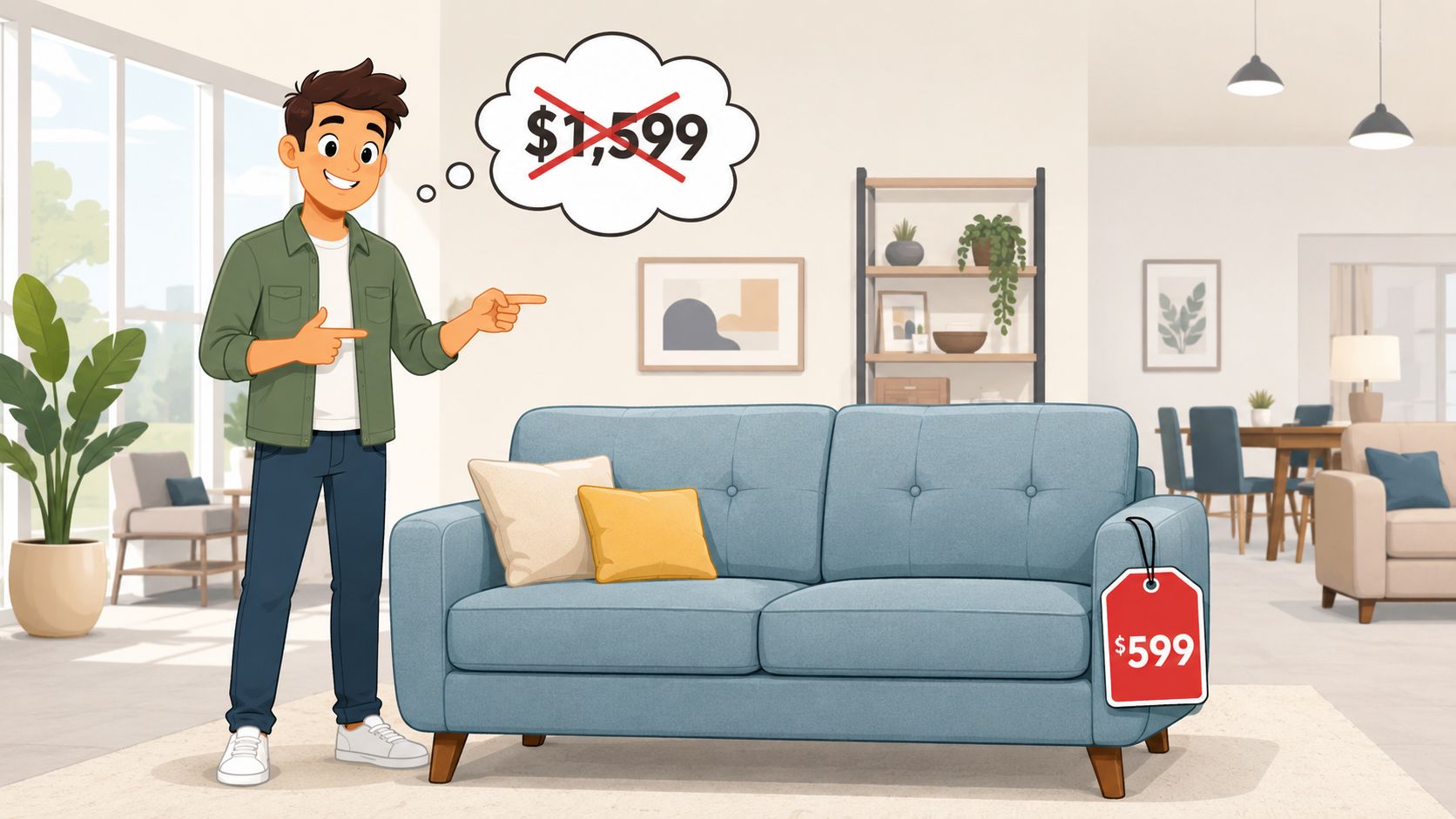
A US furniture outlet is usually a retail format built around discounted inventory. That inventory often comes from overstock, discontinued collections, floor samples, closeouts, customer cancellations, or pieces with minor cosmetic wear. The core idea is simple. Shoppers may be able to buy furniture for less because the selection is tied to what is available right now, not always to a full catalog with every finish, size, and fabric.
The outlet model exists because the furniture business is broad and layered. The IBISWorld furniture store industry outlook projects $170.9 billion in U.S. revenue for 2026, with 56,620 businesses, and says revenue is up 0.6% year over year. That scale helps explain why there are different shopping formats in the market, from clearance-driven outlets to full-service showrooms.
How outlets usually source inventory
Most outlet merchandise falls into a few common buckets:
- Overstock items that didn't sell through in another location or season.
- Discontinued styles that a maker no longer produces.
- Floor models that have been displayed and tried by shoppers.
- Scratch-and-dent pieces with visible wear but usable structure.
Some shoppers hear “outlet” and assume every item is damaged. That isn't true. Some pieces are perfectly fine and no longer fit a current collection. Others are sold at a discount because a mark, loose seam, finish variation, or missing option makes them harder to sell on a regular showroom floor.
How that differs from a full showroom
A traditional showroom usually gives shoppers more than inventory on hand. It often offers product guidance, broader brand selection, custom order options, delivery coordination, and help matching pieces across rooms.
A low price and a good value aren't always the same purchase.
That's the part many households don't discover until after the sale. A discounted accent chair may be a smart outlet buy. A family sofa, dining set, or mattress usually deserves a closer look because comfort, scale, support, and durability matter every day.
The Real Pros and Cons of Outlet Shopping
Outlet shopping can be a smart move. It can also create frustration when expectations don't match the retail model. The fairest way to judge it is side by side.
Where outlets can work well
- Lower entry price helps when a shopper needs a quick solution for a guest room, rental, first apartment, or short-term space.
- Fast availability can be useful when the item is in stock and ready to leave the floor.
- Unexpected finds sometimes make outlet shopping fun. A shopper may find a style, finish, or size that isn't easy to locate elsewhere.
- Good fit for flexible buyers who aren't set on one exact fabric, dimension, or silhouette often do well in this environment.
Where the trade-offs show up
- Condition varies from piece to piece. One item may be pristine, while the next may have a wobble, finish rub, or worn cushion.
- Selection is inconsistent because inventory depends on what arrived, not always on what a household planned around.
- Matching becomes difficult when shoppers want a coordinated room instead of one standalone bargain.
- Customization is limited or absent. If the right size or fabric isn't on the floor, there may be no alternate version.
- Service can be thinner than many families expect, especially with room planning, special orders, or post-purchase support.
A practical example helps. A shopper replacing a single end table might accept an outlet compromise if the color is close enough and the dimensions work. That same shopper might feel very differently about a sectional that anchors the whole living room and gets used every night.
Practical rule: Outlet shopping works best when the shopper is flexible on finish, timing, and exact specifications.
Timing also affects how people judge value. A family that understands the best time to buy furniture during the year usually makes calmer decisions because they can compare outlet deals against regular retail promotions, seasonal clearance, and planned purchases instead of rushing into the first markdown they see.
A balanced view usually leads to a simple conclusion. Outlet stores can serve a purpose. They just aren't automatically the right answer for every room, every budget, or every household need.
How to Shop Smart and Inspect for True Value
A piece of furniture should be judged by more than appearance. In furniture retail, product evaluation increasingly centers on durability and performance specifications, which aligns with how government furniture standards focus on essential characteristics and performance. For shoppers, that means a better buying habit starts with how a piece is built, not just how it photographs.

Start with the frame and structure
When a shopper stands in front of a sofa, dresser, table, or recliner, the first question should be structural.
- Check stability. A table shouldn't rock. A chair shouldn't sway unless it's designed to glide or swivel.
- Open and close moving parts. Drawers should slide with control. Reclining mechanisms should move smoothly, without grinding or sudden resistance.
- Look underneath when possible. Hidden areas often reveal more than finished surfaces do.
For upholstered furniture, a useful test is a gentle lift on one front corner. If the piece twists easily, that can hint at weaker structure. On case goods, drawers should feel aligned and not scrape sharply.
Look at surfaces fabrics and moving parts
Cosmetic issues aren't always a dealbreaker, but they should be priced and understood correctly.
A shopper should inspect:
- Seams and welting for gaps, puckering, or early stress.
- Fabric placement so patterns and nap look intentional.
- Finish consistency on wood tops, edges, and corners.
- Hardware attachment on knobs, pulls, and hinges.
- Cushion feel for even support, not one soft spot and one hard spot.
Small scratches can be cosmetic. A loose joint, sagging seat, or uneven recline is usually a bigger problem.
Many buyers benefit from practical guidance such as smart furniture shopping tips for evaluating pieces before purchase. The more specific the checklist, the less likely a shopper is to confuse a flashy look with lasting quality.
Read specifications like a practical shopper
Specs can sound technical, but they answer plain-language questions.
| What to check | Why it matters |
|---|---|
| Seat height and depth | Helps the piece fit the people who use it |
| Overall dimensions | Prevents crowding and awkward room flow |
| Material composition | Gives clues about wear, care, and feel |
| Weight capacity | Matters for daily safety and long-term use |
| Finish and surface details | Helps assess resistance to everyday wear |
A dining chair isn't just “pretty” or “farmhouse.” It either supports real daily use or it doesn't. A mattress foundation isn't just “included” or “optional.” It either supports the product correctly or creates avoidable problems.
Shoppers who inspect this way usually make fewer impulse buys and better long-term ones.
Navigating Mattresses and Specialty Furniture Needs
Mattresses and specialty seating are where outlet assumptions often break down. People sometimes treat these categories like simple bargain purchases, but both involve comfort, body support, and long-term use patterns.
Why mattress shopping needs more guidance
For mattresses, one useful benchmark is the availability of authorized-brand inventory and specification-based guidance, because shoppers commonly compare support systems, firmness options, and product specs before buying, as described by US Furniture's note on specification-based mattress guidance. That matters because a mattress isn't chosen by appearance. It's chosen by feel, support, sleeping position, and how a person's body responds over time.
A showroom setting helps with that process because shoppers can test differences they can't judge from a tag alone. That's especially important in higher-consideration collections such as Tempur-Pedic, Serta, and Beautyrest, where the details of pressure relief, support style, and firmness really do affect comfort by feel.
A simple rule helps here:
- A sofa can be judged from structure and sit.
- A mattress must also be judged from body response.
That's why rushed outlet mattress purchases can disappoint. The lower price may look attractive, but a key question is whether the product, foundation, comfort level, and guidance line up with the sleeper's needs. Households comparing options often benefit from a mattress buying guide that breaks down key comfort and support decisions.
Specialty seating deserves careful evaluation
There's another category that deserves more attention than it usually gets. Accessibility and mobility furniture.
Many shoppers need more than a standard recliner. They may need easier standing, more supportive seat height, smoother reclining motion, or a lift feature that reduces strain during daily use. That's where lift chairs and function-focused recliners can make a meaningful difference in routine comfort.
Questions worth asking include:
- Does the seat height make standing easier or harder?
- Does the recline mechanism feel steady through the full motion?
- Is the chair supportive for longer sitting periods?
- Does the layout of the room allow safe use of the footrest and recline path?
These are practical lifestyle questions, not luxury questions. A stylish chair that's difficult to enter or exit won't feel like a value for long.
The Gorins Advantage for Our Eastern CT Neighbors
A lot of households in Norwich, New London, Plainfield, Waterford, and nearby communities aren't looking for the absolute cheapest item. They're looking for a purchase that feels smart six months later. That's where the local value model stands apart from a strict outlet model.

Value means more than a markdown tag
The U.S. has 5,649 furniture and fixtures manufacturers, according to IndustrySelect's overview of U.S. furniture manufacturing. In a market with that many makers, curation matters. A retailer that selects from established manufacturers can offer a more dependable quality standard than a channel built mostly around leftovers, closeouts, and one-off availability.
That's the practical lane for Gorins Furniture & Mattress and the local service model described in its advantage overview. Since 1936, the family-operated Norwich showroom has served local households with a mix of in-stock selection, design guidance, custom options, mattress shopping support, and promotional financing with equal monthly payment options. That combination gives shoppers more control than a take-it-or-leave-it outlet floor.
Good value includes fit, comfort, support, service, and the ability to solve problems before they reach the home.
That broader view of value shows up in specific ways:
- Access to trusted categories such as Flexsteel and Best Home Furnishings
- Custom programs like Canadel Custom Dining and the F9 Custom Sofa series, with thousands of combinations
- A dedicated sleep department with brands including Tempur-Pedic, Serta, and Beautyrest
- Specialty comfort seating, including lift chair options for mobility needs
A local model that fits real homes
This approach works well for Eastern CT families because real homes rarely need one isolated piece. They need scale that fits the room, finishes that work together, and support after the sale. That's also why care matters after delivery. Shoppers who bring home a new mattress setup may find practical upkeep tips useful, such as this guide to proper mattress box spring care, especially when trying to protect comfort and cleanliness over time.
The local showroom model also gives shoppers room to think. They can compare a clearance opportunity against a custom order, test a mattress in person, review recliner motion, and ask whether a dining set is well-suited to their lifestyle instead of merely available that week.
Your Path to a Home You Love
Smart furniture shopping usually comes down to one question. Is the goal the lowest ticket today, or the strongest value over time?
Outlet shopping can make sense for flexible, simple purchases. For high-use rooms and everyday comfort, most households benefit from more guidance, better product fit, stronger quality screening, and options that reflect their living situations. That's especially true when a room needs to work for family dinners, better sleep, easier mobility, or a custom layout instead of a quick bargain.
Useful planning tools can also help before anyone buys a single piece. For example, shoppers exploring room flow may enjoy these expert living room layout ideas for realtors, then pair that inspiration with a more personal planning step through home design guidance for deciding where to begin.
A home people love usually isn't built by accident. It comes together when comfort, scale, quality, and daily function all line up.
For neighbors ready to furnish with confidence, Gorins Furniture & Mattress offers a practical next step. Visit the Norwich showroom to test comfort and see materials in person, take the online Style Quiz to narrow down a look that fits the home, or browse the Clearance section for value-driven savings without losing sight of long-term quality.