Living Room Furniture Used: Find Quality Used Living Room

Scrolling used listings for a sofa at night usually starts with optimism and ends with twenty browser tabs, three vague seller replies, and one sectional that looked perfect until the dimensions showed up. That's a major problem with living room furniture used. The price can look good, but the wrong piece wastes time, money, and square footage.
For homeowners and renters around Norwich, New London, Plainfield, and the rest of Eastern CT, secondhand shopping can still be smart. It just needs a filter. The right used chair, coffee table, or loveseat can add character and save real money. The wrong one turns into a curbside lesson.
Living room purchases matter because they're not small, throwaway decisions. The global living room furniture market is projected to reach USD 210.2 billion by the end of 2025, which shows how consistently homeowners prioritize these rooms and why getting major pieces right matters so much, according to Cognitive Market Research's living room furniture market report.
Table of Contents
- Finding Value in Pre-Loved Furniture
- Prepare Your Space Before You Shop
- Where to Find Secondhand Treasures in Eastern CT
- Your Pre-Purchase Inspection Checklist
- Negotiating the Price and Getting It Home
- When to Invest in New The Case for Custom Furniture
Finding Value in Pre-Loved Furniture
The used market rewards patience, not impulse. A good secondhand piece usually isn't the first listing that pops up. It's the one that fits the room, survives close inspection, and still feels worth bringing home a year later.
Norwich shoppers tend to do better when they stop searching for “cheap furniture” and start searching for usable value. Those aren't the same thing. A lightly worn accent chair with a solid frame can be a value. A sagging sofa with mystery odors isn't a deal at any price.
Since 1936, Gorins has served families across Eastern CT, and that long local history matters here. It means furniture gets judged for how it lives in real homes, not how it photographs in a listing. Shoppers who want a practical reference point for pricing can use a tool like this DIYAuctions valuation guide to sanity-check whether an asking price reflects condition and resale reality.
What smart used buyers focus on
- Frame before fabric: Upholstery can distract buyers. Structure tells the truth.
- Fit before style: If the scale is wrong, the room will never feel right.
- Purpose before bargain: A side chair for occasional seating is different from the sofa used every night.
Practical rule: Buy used when the downside is manageable. Be much stricter when the piece will anchor the room.
A lot of strong value shopping happens at the overlap between secondhand and clearance. Buyers who like the thrill of a find but want less risk often also browse end-of-season furniture finds that deliver value year-round. That's often a better route for shoppers who want a cleaner condition story than a marketplace listing can provide.
Prepare Your Space Before You Shop
Most secondhand mistakes happen before the first seller message gets sent. Buyers get excited about the item and ignore the room. That's backwards.
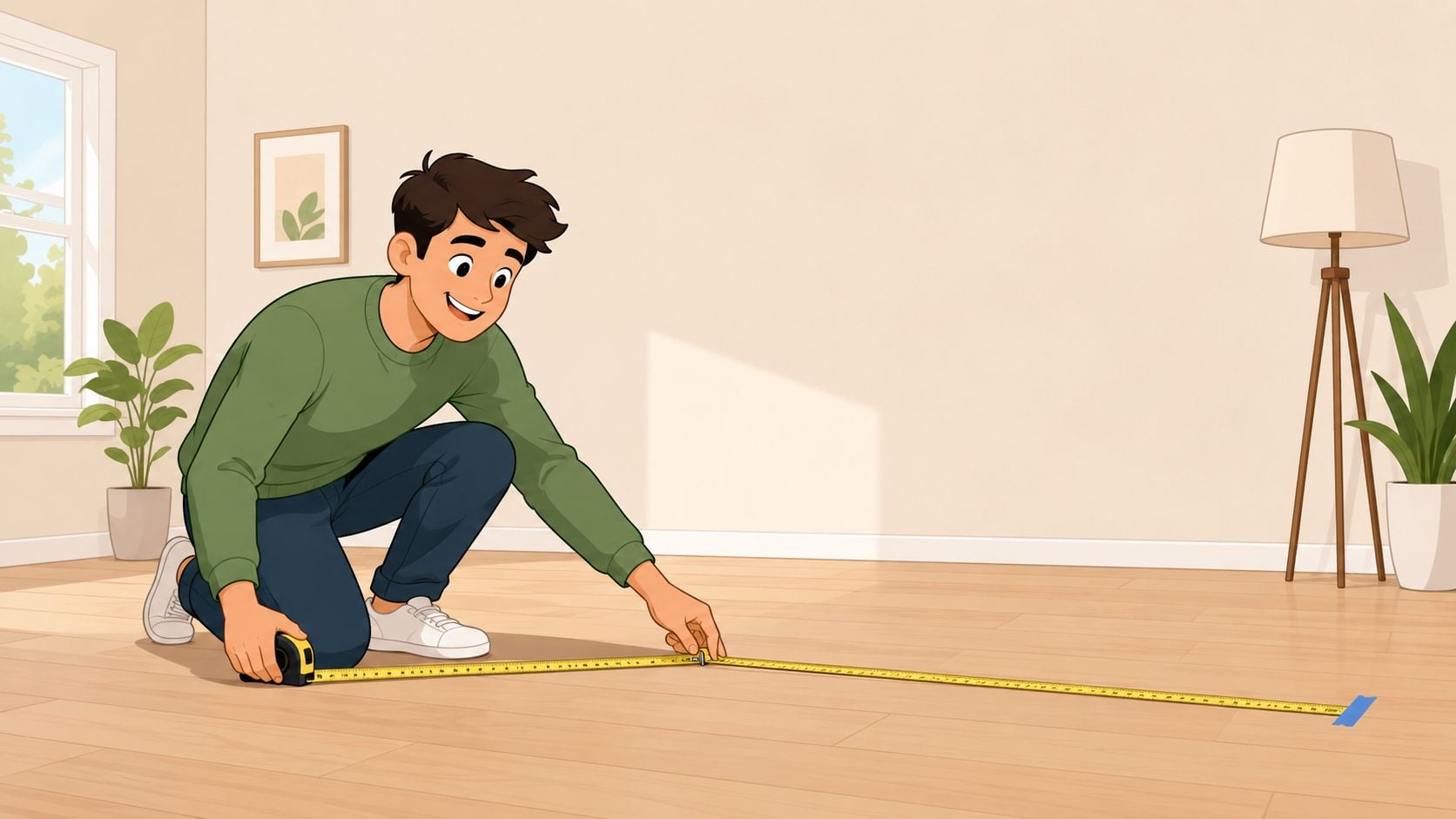
Measure the room and the path
The piece has to fit the room, but it also has to get into the home. Doorways, stairwells, hall turns, elevator depth, entry landings, and low railings all matter. A sofa that “should fit” usually becomes the piece that gets stuck halfway through the front door.
For awkward rooms, standard advice often focuses too much on arrangement after purchase. The sharper move is choosing naturally adaptable pieces before purchase. As noted in Castlery's guidance on awkward living room layouts, smaller loveseats, swivel chairs, and lower-profile seating are often better suited to narrow rooms or spaces with multiple focal points than big one-shape-fits-all sectionals.
A quick measuring checklist helps:
- Room width and length: Include windows, radiators, vents, and floor outlets.
- Wall interruptions: Note door swings, fireplaces, and built-ins.
- Entry route: Measure every choke point from curb to final placement.
- Clear walking space: Leave enough circulation so the room doesn't feel blocked.
Buyers who need a tighter measuring process can use this furniture measuring guide to avoid the classic fit mistakes.
Build a must-have list before browsing
Used shopping gets easier when the buyer knows their specific needs. Without that list, every decent listing starts to look “close enough.” That's how people end up with a sofa that's too deep, too low, too hard to clean, or too bulky for the room.
A strong must-have list usually includes:
- Seat comfort: Firm, soft, upright, deep, or easy to get out of.
- Household reality: Pets, kids, frequent guests, or quiet occasional use.
- Cleaning tolerance: Removable cushions, forgiving fabric, or wipeable surfaces.
- Visual profile: Low arms, open legs, compact scale, or something more substantial.
Measure once for shopping. Measure again before sending money.
That second measurement saves more regret than any clever decorating tip.
Where to Find Secondhand Treasures in Eastern CT
Every used furniture source has a personality. Some are fast and chaotic. Some are curated and slower. Some reward early mornings and a tape measure in the car.
What each source is good for
Online marketplaces are where buyers see the most inventory. They're useful for comparing shapes, sizes, and price ranges quickly. The downside is obvious. Photos hide wear, staging can mislead scale, and some sellers answer questions like they're doing the buyer a favor.
Thrift stores can be excellent for smaller living room pieces. End tables, lamps, occasional chairs, and wood accent pieces show up regularly. Upholstered pieces need more scrutiny.
Consignment shops tend to be better for shoppers who want a more edited selection. Prices may be firmer, but condition is often easier to evaluate because the floor isn't filled with random leftovers.
Estate sales are often the strongest source for older, better-built pieces. That's where buyers sometimes find durable frames, classic proportions, and recognizable quality from names such as Flexsteel or Craftmaster.
A simple comparison helps:
| Source | Best for | Main caution |
|---|---|---|
| Online listings | Speed and variety | Photos can hide problems |
| Thrift stores | Small finds and wood pieces | Inventory changes fast |
| Consignment | Cleaner selection | Less room to negotiate |
| Estate sales | Vintage quality and solid construction | Buyers need to act quickly |
How local buyers avoid bad picks
Good local shoppers ask direct questions. Was the piece kept in a smoke-free home? Were pets on it? How old is it? Why is it being sold? A vague seller usually means more work and more risk.
They also save listing photos before driving out. Sellers sometimes remove old photos or replace details after questions start coming in. Buyers who want a sharper eye for listing images can use this guide to making smarter decisions from online furniture photos.
The winning habit is simple. Keep measurements on the phone, know the budget ceiling, and be ready to walk away. Used furniture deals don't disappear because a buyer passed on the wrong one. Another one always turns up.
Your Pre-Purchase Inspection Checklist
A used living room piece should be inspected like a car, not admired like a picture frame. If the buyer won't press on cushions, look under the seat, smell the fabric, and check the joints, the buyer isn't ready to buy it.
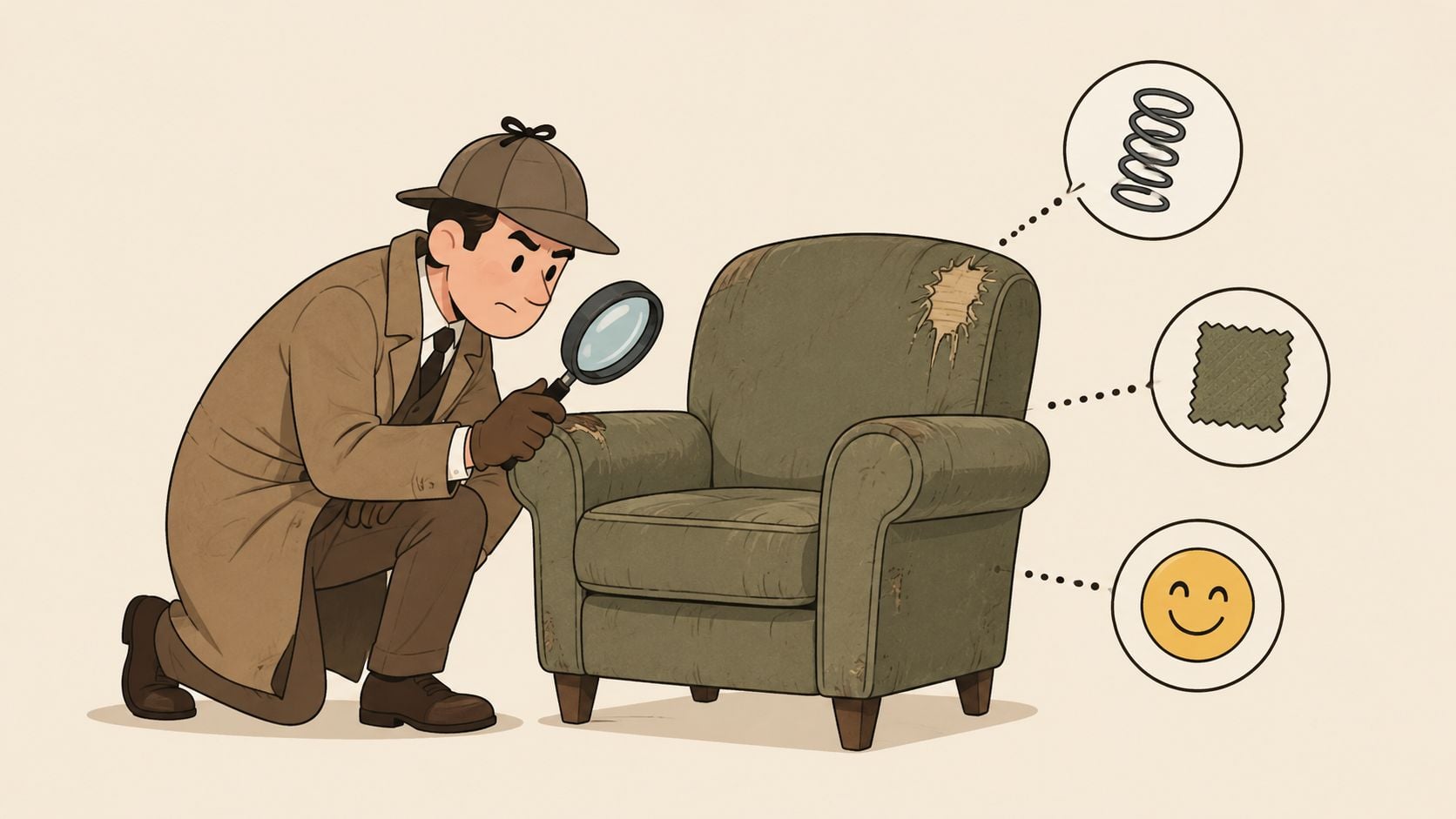
Academic research on furniture satisfaction supports a practical framework: functional value and conditional value significantly influence satisfaction, and buyers often make mistakes when they prioritize style too early, according to this peer-reviewed furniture satisfaction study.
Functional value comes first
This is the first gate. If the piece doesn't work, condition and style don't matter.
Check these points in person:
- Sit test: Does the seat height work for the people using it most?
- Seat support: Press down across multiple spots. Uneven give usually means trouble.
- Frame stability: Grab the arms or back and look for wobble.
- Use-case match: A formal upright sofa may look sharp but feel miserable for nightly TV use.
If the piece fails comfort or support, move on. Used furniture isn't rare enough to settle.
Conditional value decides the risk
Condition is where many “deals” fall apart. Buyers should inspect bright and low, not just standing up at arm's length.
Use a phone flashlight and check:
- Under cushions: Hidden stains, crumbs, pet hair, or wear patterns
- Back and underside: Tears, fraying, webbing issues, or repairs
- Odor: Musty, smoky, or sour smells rarely disappear as easily as sellers claim
- Wood surfaces: Water rings, veneer lifting, wobble, or cracks
- Signs of pests: Tiny spotting, shed material, or activity in seams and folds
For buyers bringing used upholstery home, prevention matters as much as inspection. This guide to proactive bedbug prevention for your home is worth reviewing before a secondhand sofa or chair crosses the threshold.
A helpful companion to inspection is understanding material behavior. Different fabrics hide wear differently and clean differently, which is why this upholstery materials guide helps buyers judge whether a flaw is cosmetic or a warning sign.
Hidden damage usually sits where sellers assume buyers won't look.
Emotional value breaks the tie
Style still matters. It just belongs at the end of the process, not the beginning. Once a piece proves its comfort and condition, then it's fair to ask whether it belongs in the room.
A practical test works well. If the buyer likes the shape but already plans to “fix everything later,” that usually isn't affection. It's rescue fantasy. Rescue fantasy gets expensive fast.
Negotiating the Price and Getting It Home
A fair offer beats a dramatic one. Most private sellers expect some negotiation, but they respond better to calm specifics than to lowball theater.
How to make an offer without insulting the seller
The cleanest approach is to point to what the inspection showed. Minor fading, cushion wear, a loose leg, a missing pillow, or visible scuffs are all reasonable talking points. Buyers don't need to narrate a full appraisal. They need one or two concrete reasons for the number they offer.
A simple pattern works:
- Acknowledge the piece: Confirm real interest.
- Reference one flaw: Keep it factual.
- Make the offer clearly: No rambling, no bait.
- Be ready to leave: That's the only real advantage.
Cash, quick pickup, and flexible timing often help. So does being organized. Sellers are more likely to accept a slightly lower offer from someone who can move the piece today.
A seller usually trusts the buyer who shows up prepared, not the buyer who talks the most.
Cleaning, transport, and setup
Transport ruins more furniture than negotiation ever does. Buyers need blankets, straps, corner protection, and a realistic loading plan. This practical loading and unloading guide from Voodoo Moving is useful for avoiding the usual mistakes with stairs, corners, and awkward weight distribution.
Before the piece enters the living room, clean it properly. Upholstery may need fabric-safe cleaning or steam treatment. Wood may only need a careful wipe-down and polish. Anything with odor needs honest evaluation before it comes inside.
A few final logistics matter:
- Disassembly: Remove legs or cushions when possible.
- Entry prep: Clear rugs, décor, and tight hall obstacles.
- Tool check: Keep basic tools handy for reattachment.
- Old furniture removal: Have a plan before replacement day.
Buyers who don't want to wrestle with setup details can review furniture assembly service options before committing to a piece that needs more than a quick carry-in.
When to Invest in New The Case for Custom Furniture
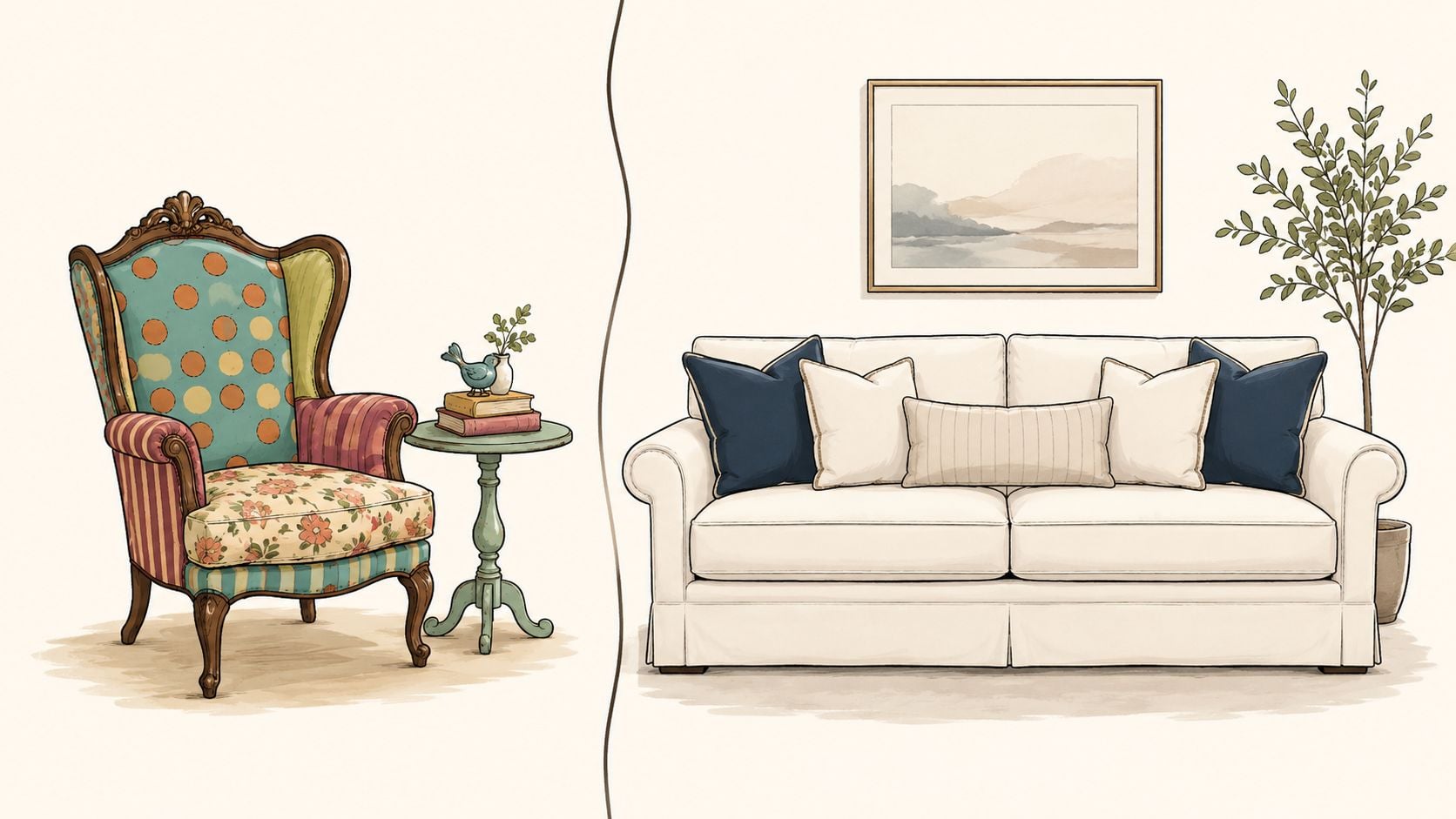
Used furniture is often the right call for accent pieces. It can also be smart for occasional chairs, side tables, trunks, and vintage wood pieces with good bones. Those categories carry less day-to-day pressure, and a little wear usually doesn't ruin the experience.
Used is strong for some categories
A used accent chair can add personality. A used coffee table can be a great value. A media console with a few marks can still look excellent after a basic cleanup.
That's because these pieces usually don't carry the full burden of comfort, support, and daily wear. If one isn't perfect, the room can still work.
A sofa is usually the wrong place to gamble
The main sofa is different. It gets used hard, judged every day, and shapes the entire room. Market data backs up that importance. Sofas and sectionals account for over 30% of sales in the category, which confirms that they're the foundational purchase in living room design, according to Mordor Intelligence's living and dining room furniture market analysis.
That's why used can become false economy on a primary sofa or sectional. Hidden frame fatigue, cushion breakdown, old odors, stretched fabric, and the wrong seat depth don't show up in the listing headline. They show up after a month of living with the piece.
For a foundational item, new often makes more sense because it solves the exact problems that used shopping creates:
- Known condition: No mystery wear and no hidden history
- Right dimensions: The piece can suit the room instead of forcing the room to suit the piece
- Comfort choice: Seat depth, firmness, and arm style can match the household
- Long-term value: Better fit usually means better use and less replacement regret
A custom approach excels. Gorins Furniture & Mattress offers custom living room options such as the F9 Custom Sofa series, with thousands of combinations across arms, backs, fabrics, and cushion feels, along with brands such as Best Home Furnishings and Flexsteel. For buyers in Norwich who are tired of hoping a used sofa will be “close enough,” customization is the cleanest way to match room size, comfort needs, and style without compromise. Promotional financing with equal monthly payments also makes a major purchase easier to plan.
A used side chair can be a fun find. The main sofa should usually be treated as an investment-grade decision suited to the household's actual life.
Since 1936, Gorins Furniture & Mattress has helped Norwich and Eastern CT families create homes they love. For shoppers weighing used finds against long-term comfort, the Norwich showroom offers a practical place to compare custom living room options, browse value-driven selections, and see what better fit really looks like. Visit the showroom, take the online Style Quiz, or browse the Clearance section for smart savings.