7 Smart Bed for Small Room Ideas

Reclaiming Your Space: A Norwich Guide to Small Bedrooms
For many of Gorins' neighbors in Norwich and across Eastern CT, a small bedroom can feel like a puzzle with no satisfying answer. It has to support sleep, storage, and sometimes even work, yet the room can end up feeling boxed in before the day even starts. Since 1936, this family-operated business has helped local households sort through that exact problem with practical furniture choices that earn their place.
A small room doesn't need less comfort. It needs a bed that solves more than one problem at once.
The strongest bed for small room ideas usually do one of three things well. They free up floor space, create hidden storage, or let one room handle two jobs without feeling temporary. For readers also planning younger spaces, this guide on maximizing space in teen bedrooms is a useful companion.
Table of Contents
- 1. Loft Beds with Built-in Desk or Storage
- 2. Murphy Beds Wall Beds
- 3. Platform Beds with Integrated Storage Drawers
- 4. Daybed Sofa Bed Combinations
- 5. Under-Bed Storage Solutions and Bed Risers
- 6. Folding and Wall-Mounted Bed Frames
- 7. Bunk Beds with Desk or Storage Beneath
- 7 Small-Room Bed Ideas Compared
- Your Perfect Small Room Awaits at Gorins
1. Loft Beds with Built-in Desk or Storage
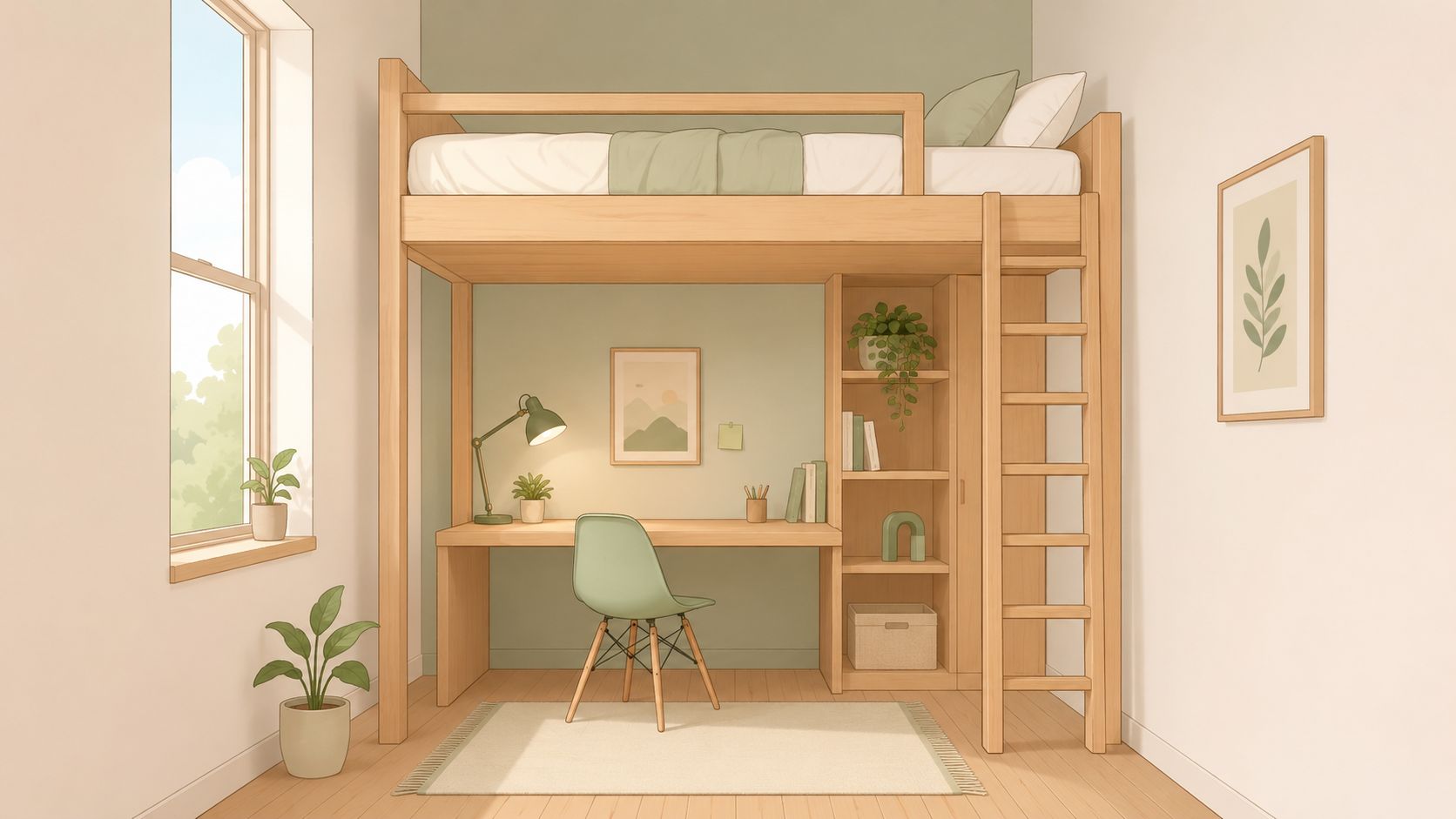
A child needs a place to sleep, study, and keep school gear in one small bedroom. In many Eastern CT homes, the floor plan does not give you much room to waste. A loft bed solves that by stacking those functions into one footprint and keeping open floor space for daily life.
Loft beds tend to make the most sense in kids' rooms, teen rooms, and compact guest spaces that need a second job. The benefit is straightforward. You place the mattress up top, then use the space below for a desk, drawers, shelving, or a small dresser instead of trying to fit all those pieces around a standard bed.
Why loft beds work so well
The best loft setup starts with the room, not the bed frame. Ceiling height decides a lot. If the sleeper cannot sit up comfortably in bed, the loft will feel cramped no matter how smart the storage looks.
Mattress height matters too. For most loft beds, a low-profile twin mattress is the safer and more comfortable choice because it preserves guardrail height and gives the sleeper more headroom. Full-size lofts can work for older kids and teens, but they need more floor width and more clearance, so they are not always the right answer for a narrow room.
At Gorins, we usually tell families to bring in rough room measurements before they shop. That saves time and avoids a common mistake. Buying a loft because it looks efficient in a photo, then finding out the desk below is too dark, too tight, or blocked by a window.
A few details are worth checking before you commit:
- Measure ceiling height from finished floor to ceiling: Leave enough space above the mattress for the sleeper to sit up without brushing the ceiling.
- Choose the lower function first: A study desk, closed storage, or open shelving each needs a different amount of clearance.
- Keep the mattress profile modest: A thinner mattress usually fits loft beds better than a tall pillow-top style.
- Plan for access and lighting: The ladder, desk chair, and task light all need real working room.
- Use the bed to replace other furniture: That is where the space savings come from.
For families trying to cut visual clutter as well as save space, Gorins also shares practical bedroom storage solutions that reduce clutter without overcrowding the room.
One trade-off deserves an honest mention. Loft beds are efficient, but they are not ideal for every sleeper. Adults who get up often during the night, younger children who are not ready for high-level sleeping, and rooms with low ceilings usually do better with a different small-room bed solution. In the right room, though, a loft bed can turn one tight bedroom into a space that sleeps, studies, and stores belongings properly.
2. Murphy Beds Wall Beds
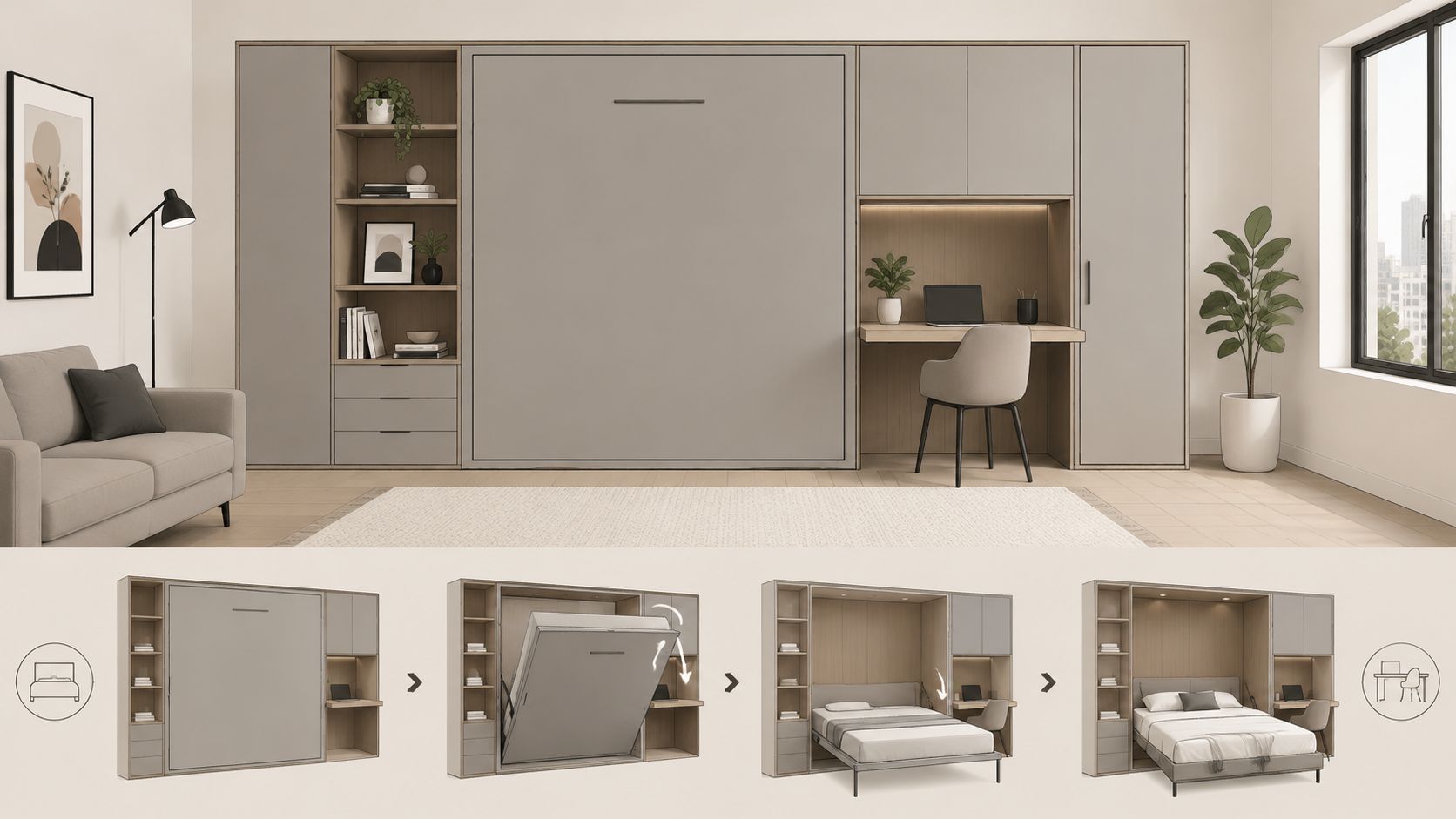
A spare room in Norwich often has to do two jobs. It may be a home office from breakfast through supper, then turn into a guest room on weekends. That is where a Murphy bed earns its keep. It gives floor space back during the day, then opens into a real bed at night.
Wall beds suit rooms where open space matters just as much as sleep space. Guest rooms, studio layouts, and bonus rooms are the usual fit. Families also like them in older homes where square footage is tight and every piece has to justify itself.
The practical question is mattress size. In a small room, a twin or full Murphy bed usually keeps the cabinet from dominating the wall. A queen can work well for frequent guests or a one-room flat, but it needs more clearance in front and more visual weight on the wall. At Gorins, we often help shoppers start with the sleeper first, then the room measurements, because that order prevents expensive mistakes.
For the cabinet and surrounding pieces, it helps to coordinate the bed with the rest of the room instead of treating it like a standalone fix. A clean-lined occasional table, compact accent storage, or flexible seating from collections available at Gorins, including options from Ashley Furniture or Flexsteel, can keep the room useful when the bed is closed without crowding the footprint.
A good wall-bed setup usually needs three things:
- Clear floor space in front: The bed has to open fully without hitting a desk, chair, or storage bench.
- A wall that works for installation: Baseboards, outlets, windows, and trim can all affect placement.
- A realistic daily routine: If you plan to open it every night, choose a mechanism that feels easy to handle and pair it with bedding that stores neatly.
For guest-focused inspiration, Gorins has additional ideas for making a room work harder for overnight visitors. If the room still feels boxed in, these tips for making a small room feel bigger with the right furniture layout help before you commit to any wall bed plan.
One honest trade-off. Murphy beds save floor space, but they do ask for daily setup unless the room is only used occasionally. They also work best when installation is done properly and the surrounding furniture is kept intentional. For the right household, though, that trade is well worth it. You get a room that lives bigger without giving up a proper place for guests to sleep.
3. Platform Beds with Integrated Storage Drawers
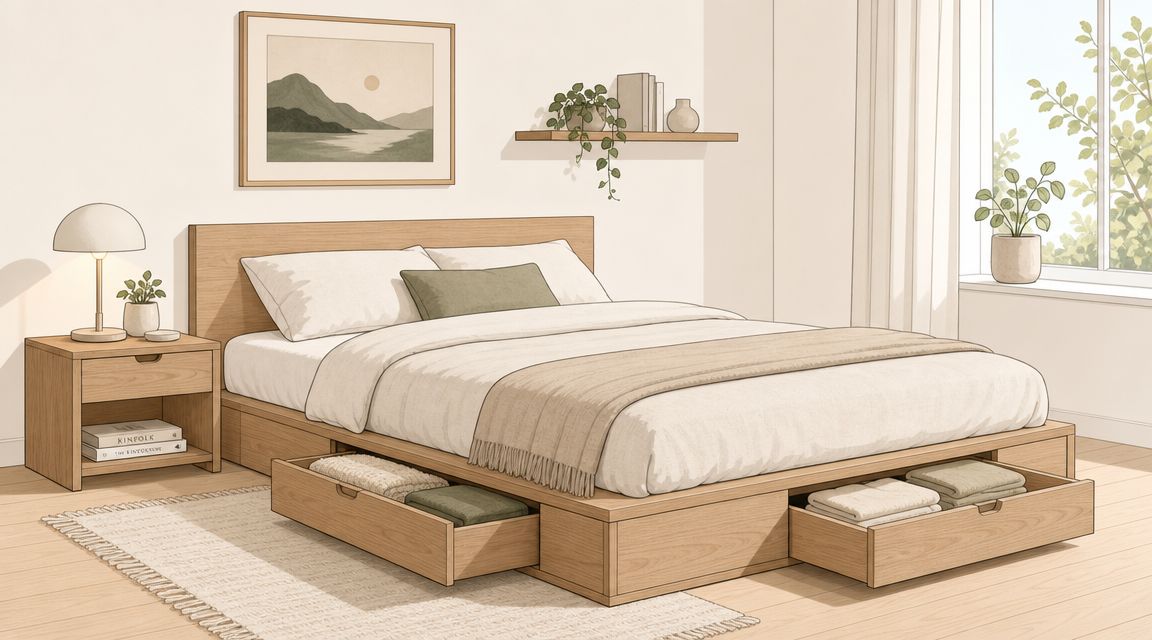
A lot of small bedrooms in Eastern Connecticut need a bed that does two jobs every day. Sleep well at night, then hold clothing, linens, or extra blankets without asking for another bulky case piece. That is why platform beds with built-in drawers stay near the top of my list for adults, teens, and guest rooms that need to work harder.
They also feel settled in a way some space-saving options do not. You get the look of a proper bedroom set, a supportive base, and storage tucked into the footprint you were already giving the bed. In the Gorins showroom, this option often suits shoppers who want a clean, lasting solution rather than a temporary fix.
What to watch before buying
The big question is not whether the frame fits the room. It is whether the drawers can open fully and comfortably once the bed is in place.
Before you commit, check these practical points:
- Measure drawer clearance on the use side: A bed can fit wall to wall and still be frustrating if the drawers hit a nightstand, closet door, or radiator.
- Match the mattress size to the room first: A Twin or Full storage bed usually gives the best balance in tighter rooms. A Queen can work well in a primary bedroom if walkways stay open.
- Keep the profile visually light: Simple lines and a lower headboard help the room feel calmer and less crowded.
- Use the drawers for items you reach for: Spare sheets, seasonal clothing, and extra pillows make more sense than stuffing them with random overflow.
Material and build quality matter here. Drawers get opened every day, and that is where a cheap frame starts to show its age. In our showroom, many families look for dependable platform styles that coordinate with other bedroom pieces from collections carried at Gorins, including options from Ashley Furniture. For shoppers who want seating nearby without making the room feel overfurnished, it can also help to make a small room feel bigger with better furniture layout choices.
One trade-off is easy to miss. Drawer storage is excellent for folded items, but it is less convenient if the bed sits tight against another piece of furniture or if you need deep storage for large bins. In those cases, I usually suggest being honest about daily habits first. If opening drawers will feel awkward after a week, the idea is right on paper and wrong for the room.
Done well, though, a platform storage bed can replace the need for an extra dresser and leave the room feeling simpler, not busier. That is long-term value in a small space.
4. Daybed Sofa Bed Combinations
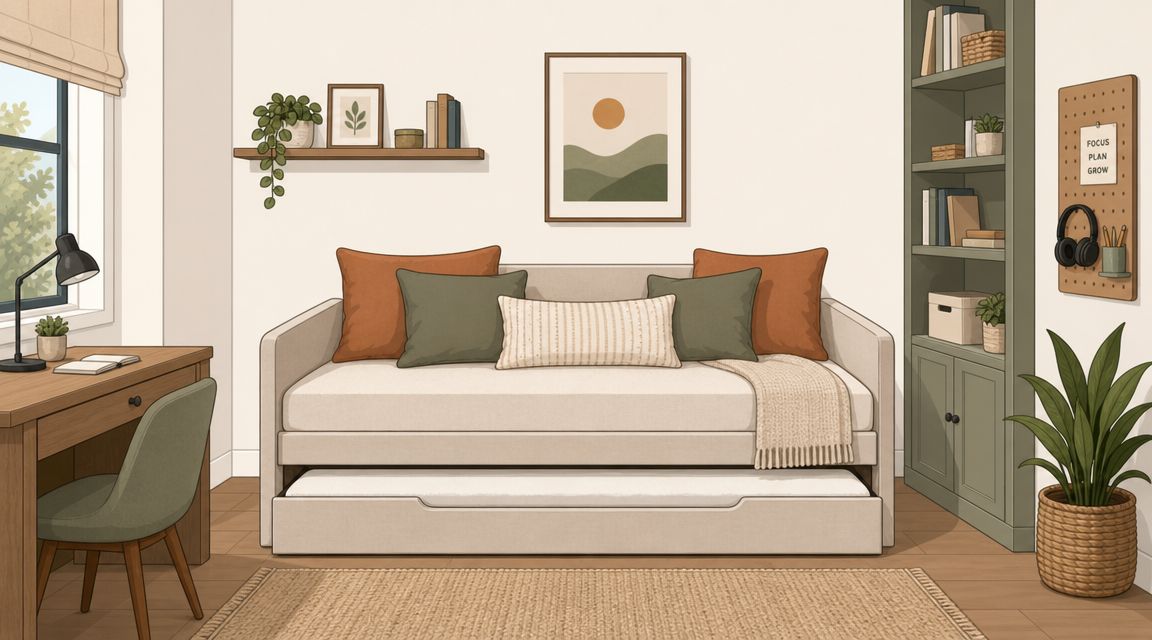
A spare room in Norwich often has to do two jobs. It might serve as a home office on weekdays, then become a comfortable guest room on weekends. A daybed sofa bed combination suits that kind of space because it keeps the room usable during the day without giving up a proper place to sleep.
The best versions feel intentional, not improvised. A well-made daybed gives you a real mattress instead of the thinner support many sleeper mechanisms rely on, and that usually translates to better comfort for overnight guests. In smaller rooms, a Twin daybed is the practical starting point. A Full can work if the room still has enough clearance to move around it easily and add a side table or small case piece.
At Gorins, shoppers usually respond well to this category when they want flexibility without committing to a wall bed or bunk setup. Upholstered and casual-frame options can pair neatly with nearby living room or home office pieces, including styles that coordinate with Ashley Furniture collections. For households that want a more customized look, our custom upholstery options help match the fabric, scale, and cushion feel to the way the room will be used.
A daybed setup usually works best when the room has a clear daytime purpose:
- Guest room and office combinations: You keep seating and sleep space in one footprint.
- Teen rooms or first apartments: A Twin daybed often handles daily lounging better than a standard bed setup.
- Dens or finished bonus rooms: The room still reads as living space instead of a bedroom that sits unused most of the week.
Placement matters here more than many people expect. If the bed is going to function as seating, it should sit where the user can face into the room, not stare at a blank wall all day. Our team often helps shoppers work through bedroom furniture arrangement ideas for tighter layouts before they choose the frame, because the right piece can still feel awkward in the wrong position.
There is a trade-off. A daybed solves seating and sleeping, but it does not solve storage unless you choose one with a trundle or built-in drawers. It also suits one sleeper better than two. For occasional guests, that is usually fine. For nightly use in a primary bedroom, many families decide they want more mattress width and a setup that looks less like shared seating.
Done properly, though, a daybed sofa bed combination gives a small room range. That is why it remains a sensible choice for Eastern CT shoppers who want one room to stay attractive, practical, and ready for company without overspending all at once.
5. Under-Bed Storage Solutions and Bed Risers
A common Norwich-to-Eastern CT small-room problem looks like this: the bed still has years left in it, but the floor disappears under extra blankets, winter jumpers, and the suitcase nobody wants in plain sight. In that case, under-bed storage is often the smartest first fix.
It keeps costs down and avoids replacing a frame that is still doing its job. For renters, student bedrooms, children's rooms, and occasional guest spaces, that can be the difference between a quick improvement now and a larger purchase later.
Bed risers can help, but only when the frame is sturdy and the added height still feels comfortable for the person using it. I usually steer families to this option when they need hidden storage more than a new look. If the room already feels top-heavy, or the bed is hard to get into, risers can solve one problem and create another.
How to make under-bed storage actually work
The best setups stay disciplined. A messy under-bed area makes a small room feel smaller.
A practical approach includes:
- Low, fitted containers: Bins that match the clearance use the full depth better than soft bags or mismatched tubs.
- Labels or see-through fronts: People are far more likely to use the storage properly when they can identify contents in seconds.
- Items used occasionally: Spare linens, off-season clothing, and keepsakes work well here. Shoes worn every morning usually do not.
- A clear access side: Drawers, bins, or rolling boxes need room to come out without fighting a nightstand or dresser.
Layout matters as much as storage choice. Before adding risers or containers, it helps to review small bedroom furniture arrangement ideas for tighter layouts so the bed still opens the room instead of blocking it.
There is a clear trade-off with this idea. It improves storage, but it does not improve the bed itself. If the mattress size is wrong for the room, or the frame has no useful clearance, bins underneath only patch the issue.
Size guidance matters here. A Twin or Twin XL usually gives the easiest access for storage bins in a tight room because one side often stays open. A Full can still work well if both sides are reachable. A Queen in a very small room often leaves so little clearance around the bed that under-bed storage becomes awkward in daily use.
At Gorins, we often help shoppers decide whether to keep a solid existing bed and organize beneath it, or move up to a storage bed built for the job. That kind of decision usually comes down to long-term value. If the frame is sound and the room just needs order, under-bed storage is a sensible answer. If the room needs better function every day, a purpose-built bed is usually the better buy.
6. Folding and Wall-Mounted Bed Frames
A folding bed frame solves a different problem from a Murphy bed. It isn't trying to disappear into furniture. It's trying to stay portable, easy to stash, and available only when needed.
That makes it useful in a home office, hobby room, or occasional guest space where a permanent bed would get in the way. It's a practical category for homes that need flexibility more than a fully styled bedroom setup.
The trade-off with portable sleeping setups
Business Research Insights projects the global bed frames market to grow from about USD 13.66 to 14.37 billion in 2026 to USD 21.55 billion by 2035 at a 5.2% CAGR, and the same report says roughly 60% of consumers seek space-saving designs, with North America holding 35.7% of the global adjustable bed frames market, according to its bed frames market analysis.
That bigger trend makes sense on the showroom floor too. Households want furniture that adapts when rooms need to serve more than one purpose. Gorins' guidance on arranging bedroom furniture in a workable layout pairs well with this kind of flexible setup.
A folding frame is usually a good fit when:
- Guests stay occasionally: It's ideal for use that's real, but not constant.
- Storage space exists elsewhere: The folded unit still needs a place to go.
- The mattress is selected for the frame: Too much bulk can make setup awkward.
The downside is comfort perception. Even a good folding system can feel temporary if the mattress is thin or the frame shifts. This option works best when convenience is the top priority, not when the room needs to feel like a full-time primary bedroom.
7. Bunk Beds with Desk or Storage Beneath
Bunk beds have come a long way from two stacked twins and a ladder in the corner. The best modern versions create a full function zone with sleeping above and storage, study space, or a second bed below.
That's especially useful in siblings' rooms, vacation homes, and guest spaces that need to handle more than one sleeper. In a small footprint, bunks can organize the room instead of filling it.
Who gets the most value from modern bunks
This is one place where clearance matters more than style. One layout guide notes that preserving about 24 inches of walkway beside or in front of furniture helps keep the room usable, with some closet clearances needing about 30 inches, while the same source notes that a king-size mattress really needs at least 144 square feet, or a 12-by-12-foot room, to feel comfortable in its bed placement advice for small bedrooms. In smaller rooms, that's exactly why bunk and lofted solutions often make more sense than trying to force in larger traditional setups.
For families shopping for value that lasts, sturdy bunks can be an investment-grade choice rather than a short-term one.
- Use the lower area intentionally: Desk, drawers, or open shelving all work better than dead space.
- Keep the upper mattress profile modest: A very tall mattress can reduce rail safety and make the top bunk feel cramped.
- Match the bunk to the child's stage of life: A setup that supports schoolwork and storage often has more staying power.
Buy bunk beds for the room the family will need in a few years, not just the room that exists today.
What usually disappoints people is buying a novelty design that looks fun but skimps on storage, desk depth, or durability. The strongest bunk beds feel solid, simple, and useful every day.
7 Small-Room Bed Ideas Compared
| Item | Implementation complexity | Resource requirements | Expected outcomes | Ideal use cases | Key advantages |
|---|---|---|---|---|---|
| Loft Beds with Built-in Desk or Storage | Moderate–high (complex assembly, precise measurements) | Requires 8–9+ ft ceiling, sturdy frame, ladder/stairs; moderate cost | Maximizes vertical space; creates workspace/storage beneath | Studios, dorms, children's rooms, small home offices | Vertical space optimization; integrated desk/storage; customizable |
| Murphy Beds (Wall Beds) | High (professional installation recommended) | Strong wall/studs, lift mechanisms, higher upfront cost ($2k+), maintenance | Bed fully hides; room converts to office/living space | Studio apartments, guest rooms, home offices, tiny homes | Completely frees floor space; elegant multifunctional solutions |
| Platform Beds with Integrated Storage Drawers | Low–medium (straightforward assembly) | Moderate cost; room for drawer access on at least one side | Hidden under-bed storage; decluttered low-profile look | Small bedrooms, apartments with limited closet space, minimalists | Significant concealed storage; no box spring; affordable vs. wall systems |
| Daybed / Sofa Bed Combinations | Low–medium (standard furniture assembly) | Moderate cost, quality mattress recommended, upholstery options | Dual seating and sleeping functionality; good guest comfort | Guest rooms, studios, multipurpose rooms, home offices | Comfortable seating that converts to bed; trundle options available |
| Under-Bed Storage Solutions & Bed Risers | Very low (easy DIY) | Minimal cost (risers, containers), works with existing bed | Creates substantial low-cost storage under bed | Budget-conscious renters, dorms, seasonal storage needs | Affordable, quick to implement, preserves existing bed |
| Folding and Wall-Mounted Bed Frames | Low (portable) to medium (wall-mount needs studs) | Lightweight frame, thin mattress, possible wall support; low–moderate cost | Fold-away or storable bed for occasional use; saves floor space | Home offices, multipurpose rooms, renters, tiny homes | Flexible and portable; easy storage; renter-friendly options |
| Bunk Beds with Desk or Storage Beneath | High (complex assembly, safety considerations) | Requires 9+ ft ceiling, sturdy construction, higher cost | Multiple sleeping areas plus integrated workspace/storage | Children's rooms, sibling-shared bedrooms, guest rooms | Maximizes multi-occupant space; built-in desk/storage; configurable layouts |
Your Perfect Small Room Awaits at Gorins
A small bedroom usually reaches the same breaking point. The bed fits, but the room still feels awkward. Drawers hit the nightstand, walking space disappears, or the guest room turns into a storage catch-all.
The fix is usually not more furniture. It is the right bed, in the right size, with the right job to do.
At Gorins, that conversation starts with how the room is used day to day. A child's room may need a twin loft bed to free up floor space for homework and storage. A guest room often works better with a daybed or a wall bed sized for occasional use, rather than a full-time setup that takes over the room. In a tighter primary bedroom, a queen storage platform can make more sense than adding another chest that blocks circulation.
Mattress size matters just as much as frame style. Twin and twin XL options usually give the most flexibility in lofts, bunks, and compact guest setups. Full works well where one sleeper wants more width without giving up too much floor area. Queen is often the practical upper limit in many smaller Eastern CT bedrooms unless the layout is very efficient. Seeing those proportions in person helps. It is much easier to judge aisle space, drawer clearance, and visual scale on the showroom floor than from a product photo.
That is where the Gorins experience earns its keep. Since 1936, families from Norwich, New London, Plainfield, Waterford, and nearby Rhode Island towns have come in to compare real trade-offs, not just finishes and fabrics. You can look at storage beds, flexible guest options, and compact bedroom pieces together, then pair them with a mattress that suits the sleeper and the frame. Shoppers often ask about coordinating a small-room setup with trusted lines carried at Gorins, including Flexsteel and Ashley Furniture, because a compact room still needs pieces that hold up.
Customization matters in smaller spaces because every inch has to justify itself. The right bed may need cleaner lines, lower height, extra drawers, or a layout that leaves one side more open for traffic flow. Financing can matter too. Promotional financing with equal monthly payments can make a better-fitting long-term choice easier to manage when the room needs to work now, not six months from now.
If you want a clearer answer, start with three practical steps:
- Visit the Norwich showroom and test bed sizes in person.
- Talk through room measurements, storage needs, and daily routines with the team.
- Check the Clearance section if you want better value on bedroom furniture or mattresses.
Visit Gorins Furniture & Mattress to explore bedroom furniture, test mattresses in person, and get practical guidance suited for Norwich, New London, Plainfield, Waterford, and surrounding Eastern CT and Rhode Island homes. Since 1936, Gorins has paired local service, respected brands, custom options, and helpful financing with a low-pressure showroom experience.