Innerspring Mattress with Box Spring: A Buyer Guide

A Norwich homeowner stands in a bedroom doorway, comparing a familiar innerspring mattress with a box spring beneath it and wondering whether that traditional setup still makes sense. The answer isn't a simple yes or no. The right choice depends on the mattress construction, the base beneath it, the manufacturer's warranty, the desired bed height, and the feel the sleeper wants each night.
For local shoppers, an innerspring mattress with box spring can still be an investment-grade sleep system, but only when the two pieces are designed to work together. The following guide explains the mechanics in plain English, outlines the trade-offs, and shows how to evaluate alternatives before visiting a Norwich Sleep Gallery.
What an Innerspring Mattress with Box Spring Really Means
A Norwich shopper replacing an older bed may remember ordering a mattress and box spring together. That familiar pairing developed over time. The coil spring was patented in 1857, the first innerspring mattress is commonly dated to 1871, and box springs appeared by the end of the nineteenth century, according to this historical overview of mattress development. The history explains why the two-piece setup still feels familiar, but it does not make a box spring the right base for every mattress.
The innerspring mattress is the sleeping surface. Its steel coils carry much of the body's load, while foam, fiber, and fabric layers determine whether the top feels firm, cushioned, buoyant, or plush. Those comfort layers can also affect considerations such as handling dust mites in Florida homes, but cleanliness does not replace proper structural support.
The box spring is the support base. In a traditional design, springs inside the base flex beneath the mattress. The mattress and base therefore work as a pair, much like a suspension system beneath a vehicle. A flexible box spring can share some compression and impact with the mattress. A rigid foundation keeps the surface flatter and steadier. The correct choice depends on the mattress maker's approved support requirements, not on the name “box spring” alone.
Practical rule: Treat a box spring as part of the mattress system, not as an automatic accessory.
The pairing also has a long history in the American bedding market. In the early 2010s, innerspring mattresses remained the dominant mattress type in the United States. The U.S. International Trade Commission reported that they represented 84% of unit mattress shipments in 2012, while non-innerspring and specialty mattresses made up the remaining 16%. Innersprings also accounted for 71% of U.S. mattress production by value that year, and sales grew 2% by volume and 9% by value from 2009 to 2012 (U.S. International Trade Commission report).
Those figures explain the format's staying power, not a universal need for a box spring in every Norwich bedroom. Shoppers comparing traditional coils with pocket-coil construction can review this explanation of what a pocket-coil mattress is. At the Norwich Sleep Gallery, try the mattress on its intended base and ask which brands Gorins carries with an approved foundation. That test connects comfort, warranty support, and the complete bed setup.
How an Innerspring Mattress Is Built
An innerspring mattress starts with a support core made from tempered steel coils. Comfort materials, such as foam, fiber, and quilted fabric, sit above that core. The coils carry much of the load, while the upper layers determine whether the surface feels firm, cushioned, buoyant, or plush, as described in this innerspring mattress guide.
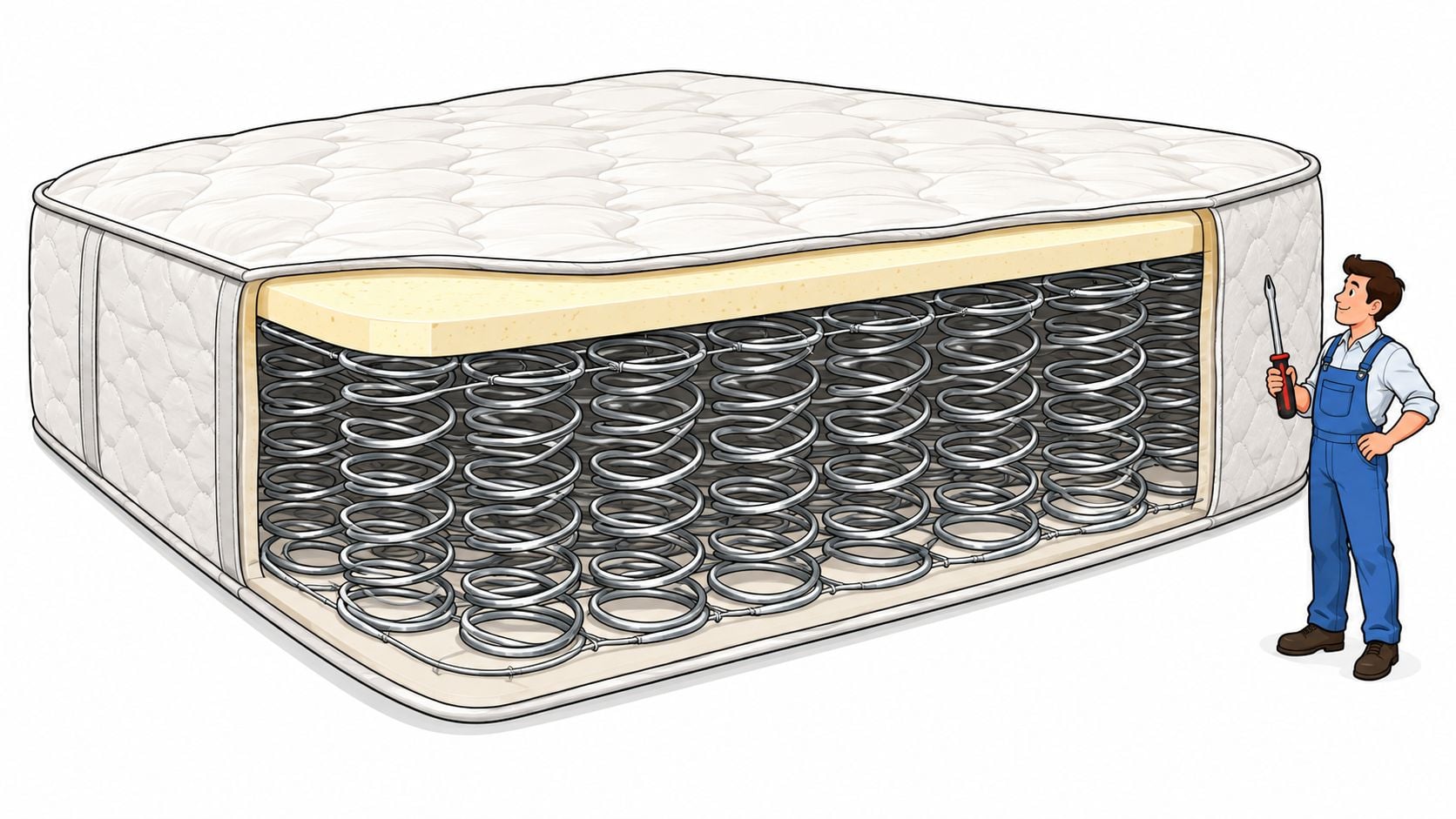
A simple comparison helps. The coil core works somewhat like the springs under a trampoline, providing responsive support from below. The comfort stack resembles a cushioned blanket spread over that framework. A thicker comfort layer can soften the first impression, but it doesn't eliminate the need for a suitable support base underneath.
The coil designs shoppers encounter
Bonnell coils are interconnected hourglass-shaped springs. Because the coils work together, they can create a lively, traditional feel, but movement may travel more easily across the surface.
Continuous coils use rows of connected wire shaped into many supporting sections. This construction can provide consistent reinforcement, although it may feel less individually responsive than separated coils.
Pocketed coils place individual springs in fabric pockets. Each coil can react more independently, which generally helps reduce motion transfer compared with interconnected Bonnell systems. Many Restonic and Kingsdown models carried by Gorins use pocketed-coil approaches alongside comfort layers.
Offset coils connect with hinging sections that help distribute weight while maintaining a responsive feel. Their design can suit shoppers who want a traditional spring response with more controlled contouring.
Gauge and comfort layers
Coil gauge refers to steel thickness. Lower gauge numbers indicate thicker, firmer steel, while higher gauge numbers indicate thinner steel that can contribute to a plusher response. Gauge alone doesn't determine quality, because coil shape, count, tempering, upholstery, edge support, and the foundation all affect the finished feel.
The upper materials matter just as much at the showroom. Foam can cushion pressure points, fiber can create a lighter surface, and a quilted cover can change the first-touch sensation. The coils influence support, airflow, and long-term response, while the comfort stack largely determines how the body experiences the surface. Readers comparing construction styles can also consult this guide to hybrid mattresses versus innerspring mattresses.
The Role of a Traditional Box Spring
A traditional box spring is a flexible foundation made with a wood or metal frame, spring elements, and an upholstery cover. Under weight, it yields instead of staying completely rigid. Its springs do more than raise the mattress. They influence how the full sleep system handles movement and compression.
A car's suspension offers a useful comparison. It absorbs some force from an uneven road before that force reaches the frame and passengers. A traditional box spring works similarly beneath an innerspring mattress, taking on part of the compression and movement so the mattress coils do not handle every action alone.
Three practical jobs
It adds height. A taller bed can make sitting down and standing up easier for some sleepers. It may also suit a traditional headboard, substantial bedroom furniture, or a preference for a more finished appearance.
It flexes with the mattress. Older-style and double-sided innerspring mattresses can feel more natural when the base offers some give. The mattress and foundation then respond together, rather than placing a flexible mattress on a completely rigid surface.
It can support warranty compliance. ASTM F1566 evaluates an innerspring mattress and box spring as a mechanical system, including firmness, firmness retention, durability, and impact effects (ASTM F1566 standard information). The approved foundation therefore affects more than comfort. A mismatched base can change support behavior and raise warranty concerns, which is why shoppers should review this guide to why you may need a box spring for your bed.
A sprung box spring and a rigid platform foundation may look similar beneath upholstery, but they respond differently under weight.
Some products marketed as “box springs” contain no springs. Instead, they use a rigid wood frame or firm slat structure. That design may suit a mattress made for stable support, but it will not provide the shock-absorbing flexibility of a traditional sprung base. This technical description of traditional box-spring construction helps clarify the distinction.
Modern innerspring mattresses, including models with substantial pocketed-coil cores, may perform well on rigid foundations. The deciding question is how that specific mattress was designed to be supported. At the Norwich Sleep Gallery, try the mattress with its recommended base and ask which foundation the brand's warranty approves. That hands-on check connects the box spring choice to both comfort and ongoing support.
When an Innerspring Actually Needs a Box Spring
The better question isn't “Does every innerspring mattress need a box spring?” It is “What support does this specific mattress require?” That change in wording protects the shopper from buying an unnecessary base and from placing a new mattress on an incompatible one.
A traditional box spring adds clear value in several situations.
The warranty calls for it
If the manufacturer lists a box spring as an approved foundation, using that pairing helps preserve the intended support profile. Some newer innerspring warranties don't require a true sprung box spring, but they do require a firm, even foundation. Ignoring those instructions can affect warranty coverage, even if the bed initially feels comfortable.
The existing frame leaves unsupported gaps
A vintage metal rail frame or an older slatted frame may have wide openings beneath the mattress. A box spring can bridge those gaps and distribute weight more evenly. Without that bridge, portions of the mattress can flex farther than intended, especially where sleepers sit repeatedly near the edge.
Height and movement are part of the goal
Some Norwich sleepers prefer a higher bed because it makes transfers easier or fits the proportions of the room. Others like the gentle give of a traditional spring base. In those cases, a compatible box spring may offer a meaningful comfort and design benefit rather than functioning as a compulsory add-on.
When another base makes more sense
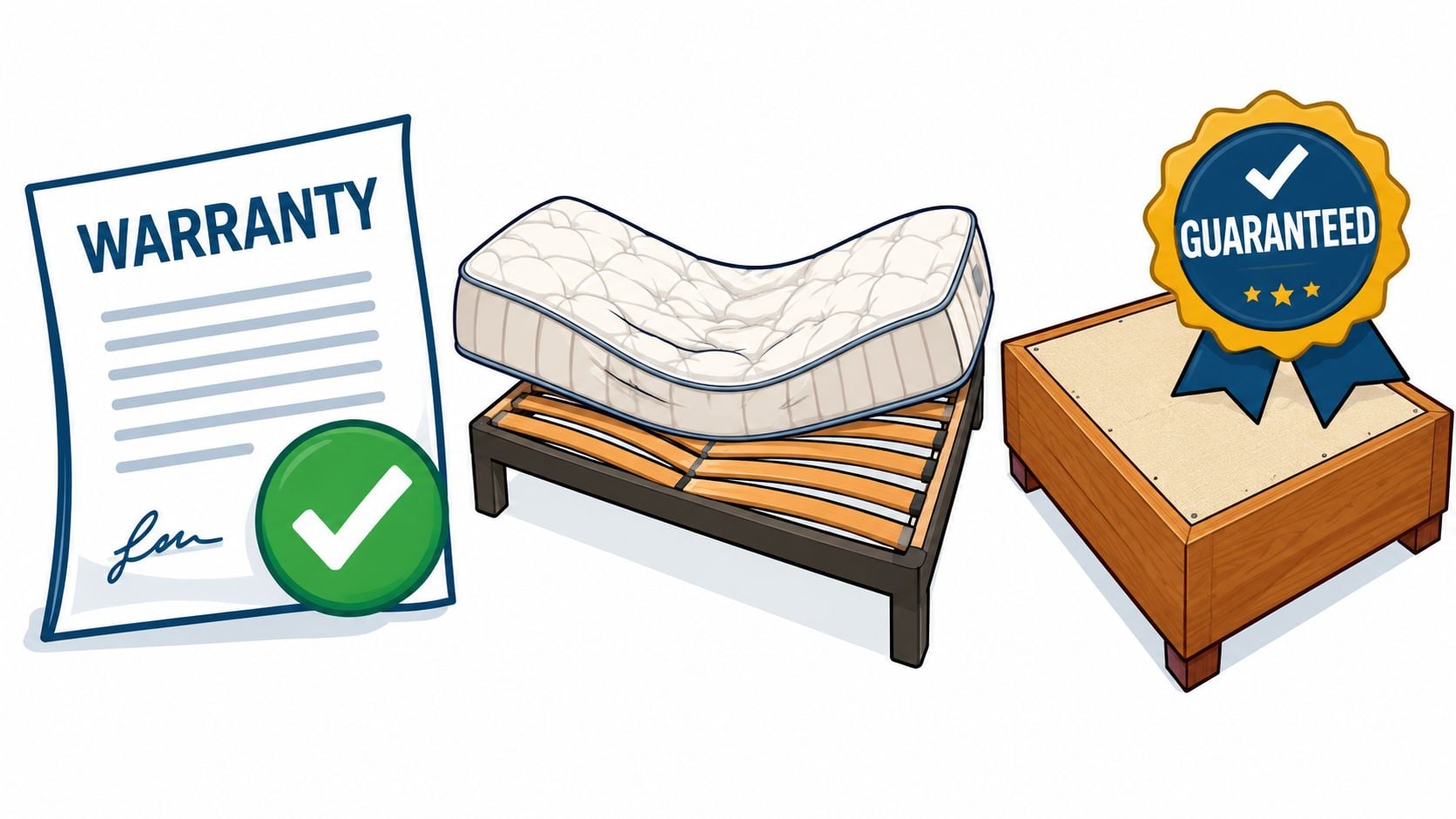
A rigid foundation may be the better match when the mattress instructions specify direct, stable support. A platform bed can also be appropriate when its slats provide the required continuous support. An adjustable base, when compatible with the mattress, follows a different design altogether and shouldn't be paired casually with a traditional sprung foundation.
Memory foam and many hybrid constructions usually need stable support because excessive flex can change their alignment and feel. A soft or damaged box spring can therefore be counterproductive, even when the mattress includes coils.
Before buying, the shopper can complete a short self-check:
- Read the warranty card. Look for approved foundations and any support conditions.
- Inspect the existing frame. Check for broken rails, sagging components, and unsupported openings.
- Measure the gaps. Compare the frame's spacing with the mattress maker's requirements.
- Choose the priority. Decide whether the main goal is firm support, extra height, or a more flexible feel.
That process turns the box spring decision into a support and warranty decision, which is far safer than assuming every innerspring set follows the same rule.
Box Spring vs Foundation vs Platform Bed
You are furnishing a Norwich bedroom, and the bed feels too high beside the nightstands. A platform frame could lower the profile, while a traditional box spring would add lift and a more flexible response. The right choice depends on the mattress warranty, the frame's support, and the feel you can confirm in-store.
A traditional box spring uses flexible support and creates a taller sleep surface. A low-profile foundation offers firmer, lower support. A platform bed builds that support into the frame, so it normally needs no separate foundation.
Traditional versions are generally about 9 inches tall, while low-profile box springs are usually about 5 to 6 inches tall, according to this box spring height guide. Construction varies, so the mattress instructions and warranty should decide which base is approved.
| Feature | Traditional Box Spring | Low-Profile Foundation | Platform Bed |
|---|---|---|---|
| Height | Higher profile, usually about 9 inches | Lower profile, usually about 5 to 6 inches | Depends on the frame and built-in support |
| Feel | More flexible and responsive | Firmer and more stable | Usually stable, with feel influenced by slats or a solid deck |
| Motion transfer | Can allow more shared movement | Generally limits base movement | Often limits base movement when firmly built |
| Air circulation | Open internal construction can permit airflow | Depends on the frame and cover | Slatted designs can allow airflow below the mattress |
| Separate base needed | Yes, beneath the mattress | Yes, beneath the mattress | No separate foundation in most designs |
| Warranty fit | Appropriate when approved for the mattress | Useful when firm support is required | Appropriate when slat spacing and center support meet requirements |
Matching the base to the room
A standard box spring suits a taller headboard or a preference for sitting higher on the bed. A low-profile foundation can balance a thick modern mattress, keeping the finished height comfortable beside shorter furniture.
A platform bed creates a lower, simpler outline. Its slats still need to support the mattress correctly, and the frame needs adequate center support. Wide gaps can leave unsupported areas beneath the mattress. A properly approved foundation between the frame and mattress may address that issue.
For a compact room, review Protect-A-Bed small double advice before finalizing dimensions. In Norwich, doorway clearance, headboard height, room scale, and preferred sitting height can all affect the practical choice.
Use this mattress selection guide to narrow the comfort feel first. Then bring the mattress warranty details to the Gorins Sleep Gallery and try the bed on the approved base options. Gorins can connect the recommendation to the brands it carries, making the decision about support and after-sale fit, not appearance alone.
Choosing the Right Set at the Gorins Sleep Gallery
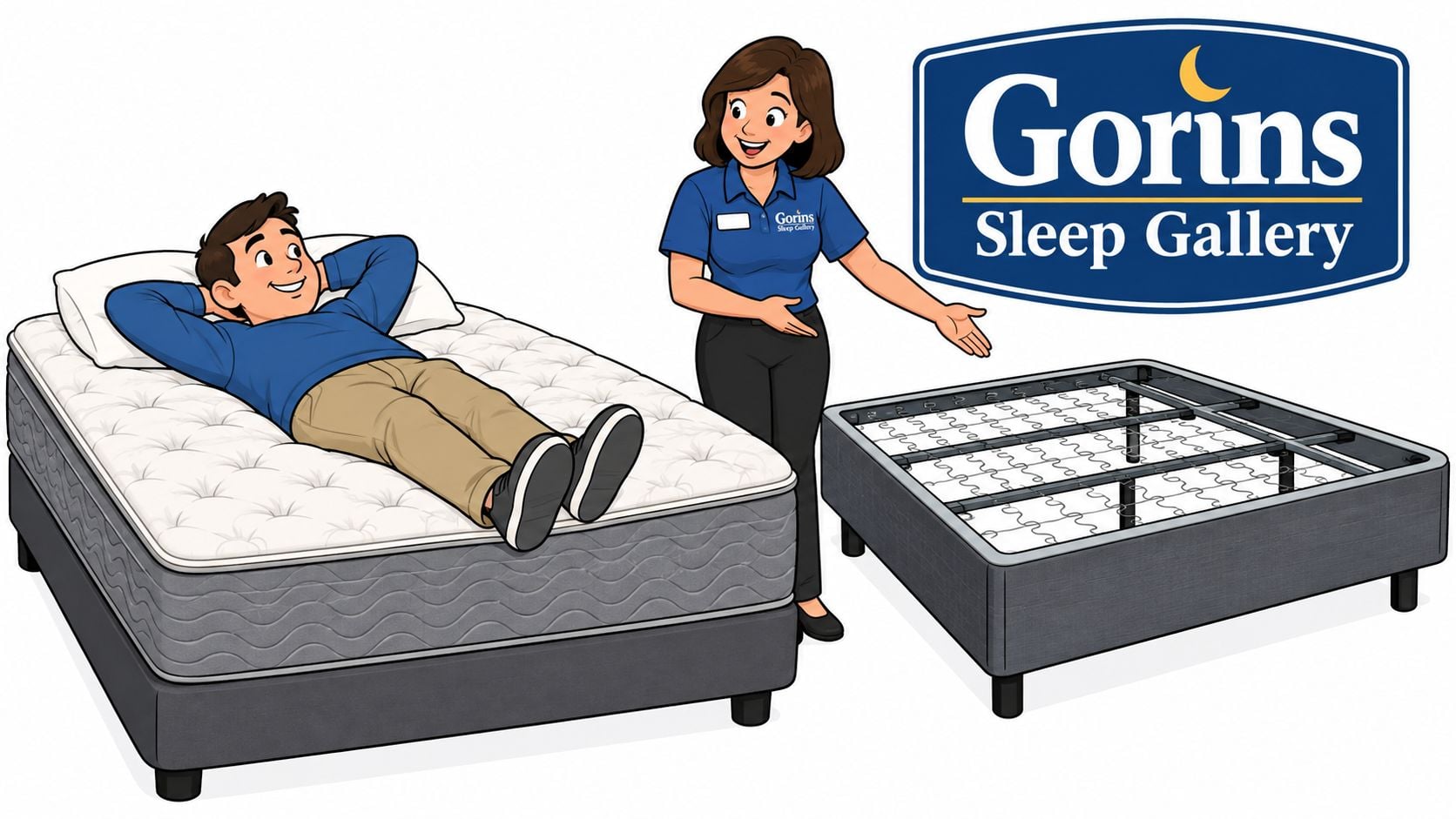
A useful showroom visit starts with the body, not the product label. At the Gorins Sleep Gallery, Norwich-area shoppers can lie on current innerspring models from brands carried by the store, including Sealy, Serta, Beautyrest, and Kingsdown. The goal is to notice pressure, support, ease of movement, and motion response in a real sleeping position.
A knowledgeable associate can then compare the same mattress on a traditional box spring and a low-profile foundation when both options are approved. The difference may be subtle for one sleeper and obvious for another. A taller flexible base can feel more buoyant, while a lower firm base may feel steadier and more grounded.
Bring the details that affect the recommendation
Shoppers should arrive with:
- Bedroom measurements, including doorway clearance and the space around the existing frame.
- Headboard and furniture heights, so the finished bed doesn't overwhelm the room.
- Current frame information, including rail construction, center support, and slat spacing.
- Comfort preferences, such as firm, cushioned, lively, or less motion-prone.
The Sleep Gallery also carries sleep brands such as Tempur-Pedic, Serta, and Beautyrest, allowing shoppers to compare comfort by feel rather than relying on a feature checklist. The important test is whether the mattress and foundation create healthier sleep for the individual sleeper, not whether the setup looks traditional.
An in-store trial period can give the body a few nights to confirm comfort after delivery. White-glove delivery can place the mattress, set up the selected foundation, and remove packaging. Promotional Financing with equal monthly payments, subject to approval and applicable terms, can make an investment-grade mattress and matching base easier to budget.
Gorins Furniture & Mattress has served the area since 1936 as a locally owned, family-operated business. Its broader home-furnishing service also includes Canadel Custom Dining and the F9 Custom Sofa series, with thousands of combinations for shoppers tailoring a home to their lifestyle. The sleep decision remains the focus, but the same local design guidance can help coordinate the finished bedroom.
Setup Tips and Your Next Step in Norwich
Delivery day is a practical test of the entire sleep system. Before the team leaves, confirm that the mattress, box spring or foundation, and frame work together as ordered. If a warranty card lists frame requirements, review them rather than relying on memory, as explained in Section 4.
Use a short delivery-day checklist:
- Prevent movement: Ask whether the foundation needs a cover or other protection to limit slipping against the frame.
- Protect the surface: Put on a mattress protector before fitting sheets.
- Allow ventilation: If the manufacturer recommends it, let the new bed air out for 24 hours before regular use.
- Inspect the room and packaging: Check the mattress and foundation for visible damage, confirm placement, and ensure removal of packaging is included in the delivery plan.
- Save the paperwork: Keep the warranty, care instructions, and delivery details together. They explain permitted rotation, cleaning, and support requirements.
For broader bedding hygiene, this guide to a cleaner, healthier bed provides useful maintenance context. Gorins' mattress delivery and setup information can help you prepare the room, clear access, and understand what the delivery team handles.
Gorins serves Norwich, New London, Plainfield, Waterford, and surrounding Eastern Connecticut and Rhode Island communities. Visit the Sleep Gallery on Route 82 to try current innerspring floor models, discuss the brands Gorins carries, and check whether the recommended foundation matches the mattress warranty. Staff can also explain same-day delivery, Promotional Financing, and Clearance options. The online Style Quiz may help narrow comfort preferences before an in-store trial.
Since 1936, Gorins Furniture & Mattress has helped Norwich and Eastern CT families choose mattresses, foundations, and bedroom furnishings through local service. Try an innerspring mattress with box spring in the Norwich showroom, then choose delivery and support terms that fit the bed and your room.