Best Mattress for Sleep Apnea: A Local Guide

You spend a full night in bed and still wake up feeling wrung out. Your partner says you snored, shifted around, or seemed to stop breathing for moments at a time. By midmorning, you’re dragging through work, reaching for more coffee, and wondering why sleep never feels restorative.
That’s a familiar story for many of our neighbors in Norwich, New London, Plainfield, and nearby Rhode Island communities. Sleep apnea can make a long night feel like no sleep at all. Medical treatment matters, but the surface you sleep on also matters more than is often realized.
Since 1936, our family has helped local households sort through one of the most confusing purchases in the home: the bed you depend on every night. In the Sleep Gallery, people often arrive thinking they just need “something comfortable.” Then they lie down on the wrong mattress and feel their shoulders dip, their neck tilt, or their breathing change. The right setup can feel very different.
Waking Up Tired and How Your Mattress Can Help
Sleep apnea is easy to misunderstand because it happens while you’re asleep. A person may think the problem is stress, age, or a mattress that’s just “a little old.” What’s happening is repeated interruption of breathing, which breaks up deeper stages of sleep and leaves you tired even after what looked like a full night in bed.
If you’re still figuring out whether your symptoms match sleep apnea, Charles E. Boren explains sleep apnea in a clear, patient-friendly way. It’s a helpful overview if you’ve been waking with headaches, dry mouth, loud snoring, or that heavy exhausted feeling that doesn’t match the hours you spent in bed.
The mattress piece matters because your body position changes how your airway behaves. When a mattress is too soft, your torso can sink too far. When it’s too firm in the wrong places, you may roll out of a better sleep position because your shoulders and hips get uncomfortable. Both situations can work against steady breathing.
Why the bed under you matters
A mattress won’t diagnose or cure sleep apnea. It can, however, support the positions and alignment that make sleep less disrupted and treatment easier to stick with.
Think of it this way:
- Your neck needs support: If your head tips too far forward or backward, breathing can become less comfortable.
- Your shoulders and hips need cushioning: If side sleeping feels painful, you’re more likely to move into a position that doesn’t help.
- Your whole body needs stable support: Sagging and uneven sinkage can throw off posture through the night.
A mattress is part of your sleep system, not just a soft place to land.
That’s one reason many people who come in for “fatigue” questions end up discovering they also need to think about mattress age and wear. If your bed has body impressions, weak edges, or uneven support, it may be time to review the signs you need a new mattress.
What people often get wrong
Many shoppers assume softer means better rest. For sleep apnea, that’s not always true. Too much sink can pull the body out of a neutral posture. At the other extreme, an overly hard mattress can create pressure points that make side sleeping difficult.
The best mattress for sleep apnea usually isn’t about plush versus firm in a simple sense. It’s about finding support that holds you in a healthier posture while still feeling comfortable enough to stay there.
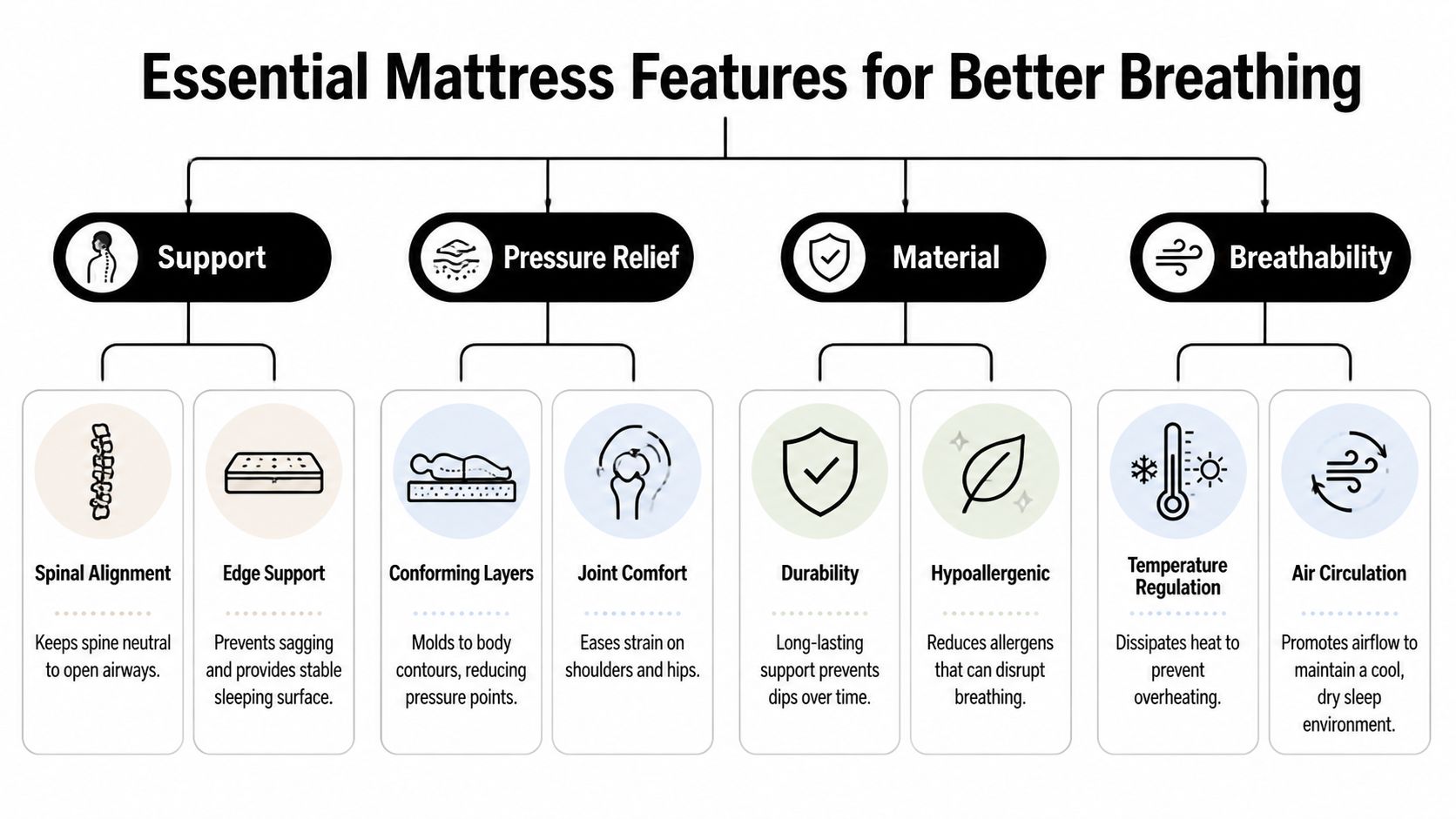
Essential Mattress Features for Better Breathing
A mattress feature matters if you can feel the difference at 2 a.m.
For a sleeper with apnea, that usually comes down to four things. Does the bed keep your airway position steadier. Does it let your shoulders and hips settle without twisting you out of line. Does it stay comfortable enough that you do not keep rolling into less helpful positions. Can it work with an adjustable base if your sleep team has suggested head-of-bed raise.
This visual breaks down the main categories worth paying attention to as you shop.
Support that keeps your posture neutral
Start with support, because it acts like the foundation under a house. If the base dips in the middle, everything above it shifts. Your mattress works the same way with your head, neck, ribs, and hips.
Medium-firm support is often a smart starting point for people with sleep apnea because it helps limit deep sink while still allowing some contouring. In our Gorins showroom, this is usually the point where shoppers notice the difference between a bed that feels soft for thirty seconds and one that keeps their body level for ten full minutes.
A few support features are worth checking in person:
- Pocketed coils: These support weight more individually, so the mattress can hold up your midsection without feeling stiff from edge to edge.
- Stable edge support: A stronger perimeter helps if you sit to put on a CPAP mask, get up during the night, or share the bed.
- Even surface support: You want the same steady feel under your shoulders, waist, and hips, not a mattress that feels firmer in one zone and tired in another.
Pressure relief that helps you stay in the right position
Pressure relief sounds like a comfort issue, but it often becomes a breathing issue by the middle of the night.
If your shoulder goes numb or your hip starts to ache, your body usually solves that problem by shifting around. For some people, that means ending up flatter on the back or twisted into a position that makes sleep less settled. SleepApnea.org notes in its guidance on mattress choice for apnea that pressure relief and alignment both matter, especially for side sleepers who need enough give at the shoulders and hips to stay comfortable.
The goal is not plushness for its own sake. The goal is controlled cushioning. A good mattress lets the curvier parts of the body sink in a little while the heavier middle stays supported. In the store, we often tell people to check whether their spine feels more like a straight line than a hammock.
Simple test: Lie on your side for at least 10 minutes. If your shoulder feels pinched or your waist starts to collapse downward, the comfort layers or support core are probably off for you.
Head-of-bed raise only works if the mattress can bend with it
Many online mattress roundups talk about firmness and foam density but skip the setup that often matters most for apnea. Positional therapy. Raising the upper body can help some people sleep with less airway collapse, which is why adjustable-base compatibility deserves close attention.
The key point is practical. If a mattress does not flex well on an adjustable base, the base cannot do its job comfortably. You may notice bunching, lift-off near the lower back, or a strained feel through the middle of the bed. In the showroom, this is easy to test. We can raise the head section and let you feel whether the mattress follows the shape smoothly or fights it.
That hands-on trial is especially useful with close-conforming models like Tempur-Pedic. On an adjustable base, you can feel how steady head and torso raise changes your posture without stacking pillows, which often bends the neck too sharply.
Materials and breathability still affect sleep quality
Breathing comfort is not only about airway position. Heat build-up, dust, and a room that feels stuffy can all make the night feel longer.
Breathable covers, coil airflow, and latex or open-cell foam designs can help the bed feel less warm and less closed in. For shoppers who deal with allergies or congestion along with apnea, the sleep environment around the mattress matters too. Our tips for maintaining a dust- and allergen-free bedroom can help you clean up the rest of the setup, not just the bed itself.
Here is a quick way to size up the features while you shop:
| Feature | What it does for a sleeper with apnea |
|---|---|
| Medium-firm support | Helps keep the body from sinking too deeply and throwing off alignment |
| Conforming comfort layers | Reduces pressure at the shoulders and hips so side sleeping is easier to maintain |
| Breathable construction | Helps the bed feel cooler, drier, and less stuffy |
| Adjustable-base compatibility | Lets you raise the upper body without relying on stacked pillows |
| Strong edge support | Makes getting in, out, and repositioning on the bed easier |
Hybrid vs Foam vs Latex Which Is Best for You
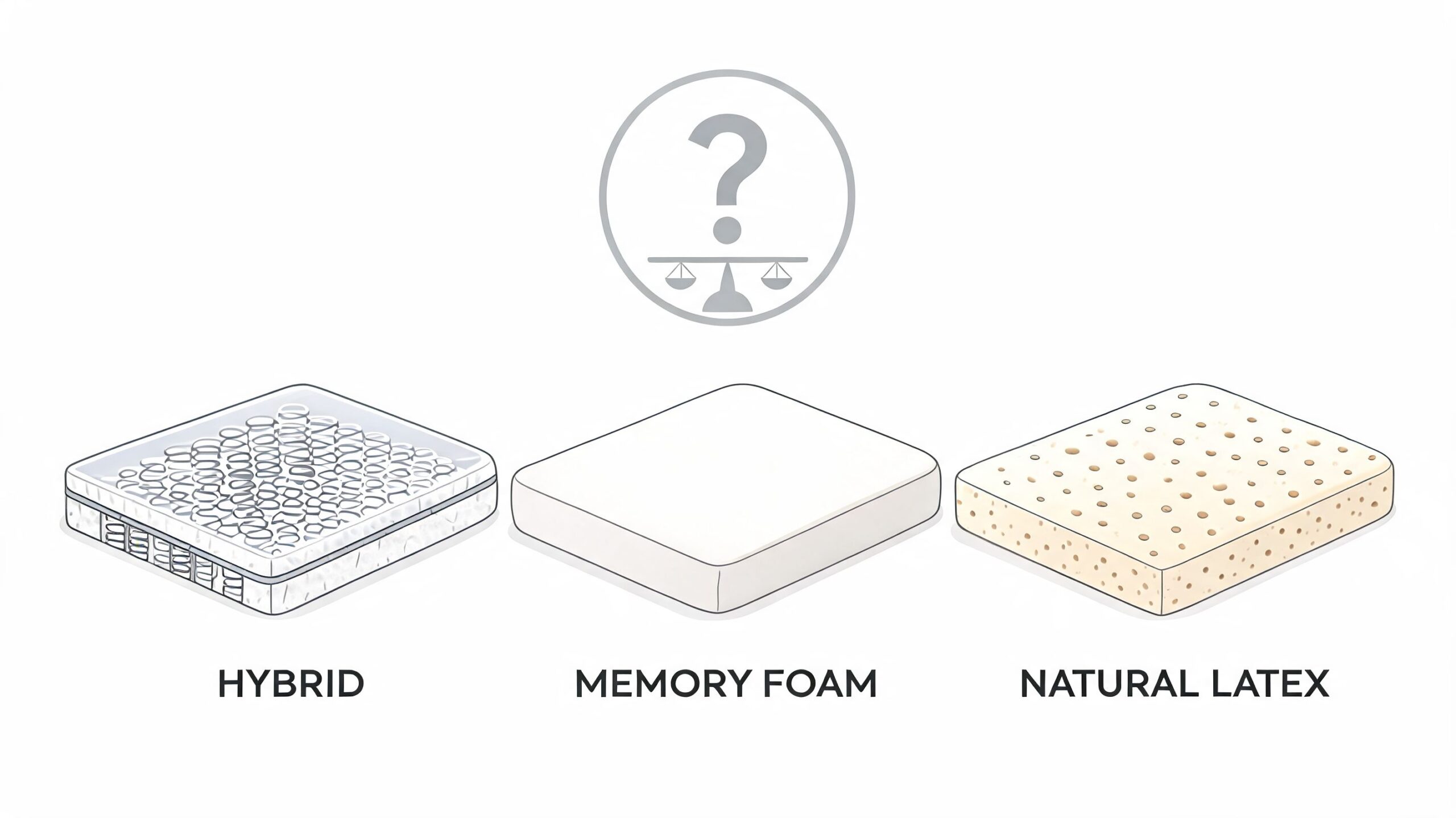
One shopper in our showroom says, “I breathe better on my side, but then my shoulder goes numb.” Another says, “I finally got comfortable, then I felt trapped in the bed and kept waking up to move.” That is usually the core decision between hybrid, foam, and latex. You are not just picking a material. You are picking how the bed helps you stay in a sleep position you can maintain.
This side-by-side visual can help as you compare options.
Hybrid mattresses
A hybrid pairs coils underneath with foam or latex near the surface. That mix often works well for people with sleep apnea because it gives the body some cushion without letting it sink too far out of alignment.
The feel is easier to picture in person than on a spec sheet. In the showroom, hybrids often suit shoppers who want the bed to support their rib cage, hips, and shoulders like a sturdy hiking boot with some padding inside, not like a bean bag. You still get pressure relief, but movement usually feels easier and the surface often feels more open.
A hybrid can make sense if you want:
- A balanced feel: enough contouring to reduce pressure, with enough pushback to make repositioning easier
- More airflow through the bed: coils leave room for air to move
- Steadier edges: useful if you sit on the side of the bed before putting on a mask or getting up at night
If you want a clearer picture of the build, this guide on what a hybrid mattress is explains how the layers work together.
Memory foam mattresses
Memory foam is often the first material people notice if shoulder pain or hip pressure keeps pulling them out of side sleeping. It spreads weight across a wider area, which can make the body feel calmer and more settled.
For some apnea shoppers, that deeper contour is a real advantage. Side sleeping can feel easier to hold because the mattress fills in space around the waist and cushions the shoulder instead of pushing back hard. Couples also tend to notice less motion transfer, so one person turning does not ripple across the whole bed.
The tradeoff is response. Some foam beds hug the body closely, and that can feel secure or restrictive depending on the person. In our Gorins Sleep Gallery, this is why we have shoppers lie still for a few minutes, then roll, sit up, and settle back down. A mattress can feel great for 20 seconds and frustrating by the third position change.
Latex and latex hybrids
Latex has a springier, more buoyant feel than memory foam. It compresses, then pushes back faster, so many sleepers describe it as easier to move on and easier to get out of.
That matters if you shift positions often during the night or dislike the “stuck” feeling some foams create. Latex can also appeal to shoppers who want a cleaner, fresher-feeling sleep surface. Consumer Reports discusses latex as one material people may consider for allergy-conscious sleep setups in its article on sleep apnea, asthma, and allergies.
Natural latex hybrids can be especially useful for the shopper who wants two things at once: pressure relief near the surface and a more lifted feel underneath. In-store, this is one of the easier categories to test side by side because the difference shows up quickly when you roll from your back to your side.
A simple comparison
| Mattress type | Often best for | Possible drawback |
|---|---|---|
| Hybrid | Sleepers who want support, easier movement, and a familiar mattress feel | Performance varies widely by model and comfort layers |
| Memory foam | Side sleepers who need strong pressure relief and good motion control | Some people dislike the close contouring feel |
| Latex or latex hybrid | Sleepers who want responsiveness and a fresher, less sink-in surface feel | The springier surface can feel unusual at first |
For many people with apnea, a hybrid is the easiest starting point because it covers the most common needs at once. If pressure relief is your top concern, test premium foam. If you want a more buoyant feel or are also thinking about allergy comfort, spend time on latex and latex hybrids before you decide.
Why an Adjustable Base Is a Game Changer
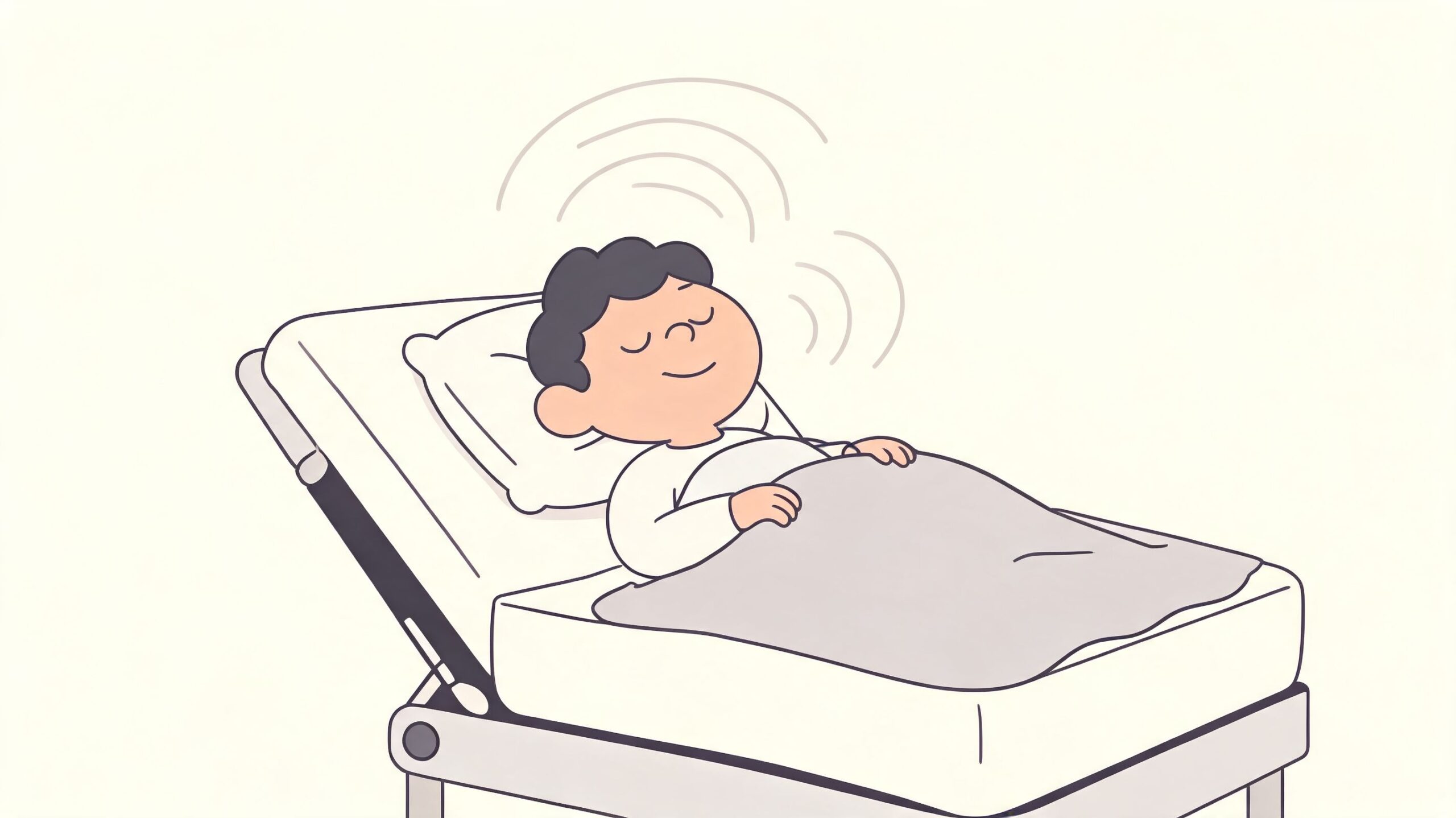
Many people shop for the mattress and treat the base like an accessory. For sleep apnea, that misses a big part of the solution. The base changes your position. Your position changes how comfortably you breathe.
Elevation does what pillows often can’t
People often try to build elevation with extra pillows. The problem is that pillows usually bend the neck more than they raise the whole upper body. That can create a crunched posture instead of a smooth incline.
An adjustable base raises the upper body in a cleaner, more stable way. That matters if you’re trying to keep your airway in a more favorable position through the night rather than only when you first fall asleep.
Why shoppers notice the difference quickly
In the showroom, this is one of the easiest features to feel. A person lies flat, then raises the head section a little, and the body often settles differently right away. Breathing can feel less strained. Mask wearers may also find that side or back positioning feels easier to manage when the upper body is gently raised.
That’s why complete sleep systems matter. A compatible mattress has to flex properly with the base and return to shape well. Coordinated systems from Tempur-Pedic often stand out because the mattress and base are designed to work together rather than fight each other.
Benefits that go beyond apnea
People don’t buy adjustable bases for one reason only. Even when the starting concern is apnea or snoring, many shoppers also appreciate how elevation can help them feel more comfortable when reading, watching television, or settling down after a long day.
Some also notice that the setup supports other sleep-related concerns. Our overview of how adjustable bases can help alleviate health concerns explains some of those broader comfort benefits in more detail.
A base doesn’t replace treatment. It helps the mattress do its job in a position your body may tolerate better.
The big shift is mental. Once you’ve felt a mattress flat and then raised, it stops feeling like a furniture upgrade and starts feeling like part of a health-focused sleep setup.
Your In-Store Guide to Finding the Perfect Fit
You wake up after a full night in bed, pull off your mask, and still feel like your body never quite settled. That is often the moment mattress shopping changes from a comfort purchase into a problem-solving trip.

At Gorins, the helpful part of shopping in person is simple. You can feel what your body is doing instead of guessing from product names and online reviews. For shoppers with sleep apnea, that matters because small changes in alignment, pressure relief, and ease of movement can change how restful the night feels.
Before you come in
A little preparation makes the visit more useful. Wear comfortable clothes. If you use CPAP and feel comfortable bringing your mask, do it. If you know you spend most of the night on your side, mention that right away so you test mattresses in the position that is important.
It also helps to describe symptoms, not just preferences. “Soft” and “firm” are a starting point, but they do not tell the whole story.
Try wording it like this:
- I wake up with pressure at my shoulder
- My hips feel like they sink too far
- I rest better with my upper body raised
- I need a bed that feels steady near the edge
- I turn often and do not want to fight the mattress
Those details give a sleep specialist in the showroom something concrete to work with.
What to do on each mattress
Give each mattress enough time for your body to settle. A quick sit on the edge tells you almost nothing. Lie down in your usual sleep position, breathe normally, and notice whether your body relaxes or starts making small adjustments to compensate.
A good test works like fitting shoes. The pair that looks fine on the shelf can feel wrong after a few minutes of real use.
Use this routine on every model:
- Start in your main sleep position: Stay there long enough to feel whether your shoulders and hips are supported evenly.
- Notice your head and neck: They should feel level and relaxed, not tipped sharply up or down.
- Roll and reposition: If changing position feels awkward or delayed, the surface may not match your needs.
- Check the edge: Sit and lie near the side to see whether it feels stable enough for getting in and out of bed.
- Test it on a base if that setup interests you: This is especially helpful if you are considering a Tempur-Pedic with an adjustable base and want to know whether the mattress flexes smoothly and still supports you well.
If you use CPAP, this is also the time to notice practical details. Does the mattress height work with your pillow? Can you turn without the mask feeling pushed out of place? Those are everyday comfort issues, not small ones.
Compare by body response, not by label
Brand names matter less than body response. One mattress may cushion your shoulders nicely but make turning feel slow. Another may feel flatter on top yet keep your torso steadier. In the showroom, those differences become obvious fast.
A Tempur-Pedic can appeal to shoppers who want close contouring and pressure relief. A Stearns & Foster may feel more lifted and substantial. A Sealy hybrid may strike a middle ground with easier movement. The right choice depends on how your body reacts after several minutes, not on whichever label sounds more advanced.
This quick comparison can help you sort out what you are feeling:
| What you feel | What it may mean |
|---|---|
| Shoulder pressure builds | The comfort layer may be too firm for your sleep position |
| Midsection dips | The support underneath may be too soft |
| Turning takes effort | The material may be slower to respond than you prefer |
| Edge feels shaky | The perimeter may not give enough support |
| Breathing feels calmer in one setup | That combination of mattress, pillow, and position deserves a closer look |
Give your body a few quiet minutes. Early impressions can be misleading.
For couples, test together. One person may care most about motion control, while the other needs easier repositioning or better support with a raised setup. In-store testing helps you sort that out in real time, and it also gives you a chance to ask about budget options so the right setup is realistic, not just appealing on the sales floor.
Some shoppers also want to understand other treatment paths they may discuss with a provider. This overview from Fair Lawn sleep apnea dentists gives added context on non-CPAP options that can come up alongside mattress and sleep-position changes.
Completing Your Healthier Sleep System
The mattress is the centerpiece, but it isn’t the whole picture. Pillows, base compatibility, and payment options all affect whether the setup will really work in daily life.
Don’t ignore the pillow
A supportive mattress can still feel wrong if the pillow pushes your head out of line. For sleep apnea shoppers, pillow fit becomes even more important because neck position changes comfort fast. Side sleepers usually need enough height to fill the space between the head and shoulder, while back sleepers often do better with a lower, steadier profile.
If you use CPAP, specialty pillow shapes can also make mask placement easier. The goal is simple: reduce pressure points and avoid twisting your neck into a position that feels strained.
Think in terms of a system
A healthier sleep setup may include:
- A compatible mattress: One that supports your body without excess sink
- An adjustable base: Helpful if elevation feels better than sleeping flat
- The right pillow: Important for neck alignment and mask comfort
- A realistic budget plan: So you can choose what you need, not only what feels easy today
Some readers also want to explore non-CPAP approaches alongside physician-guided care. For broader context, the article on Fair Lawn sleep apnea dentists outlines several treatment paths people commonly discuss with providers.
Making the investment manageable
A well-matched mattress and base can be a meaningful purchase. That’s why Promotional Financing matters for many families in Eastern CT and Rhode Island. Equal monthly payment options can make an investment-grade sleep system more approachable, especially when you’re replacing multiple pieces at once instead of only swapping out the mattress.
That same practical mindset applies across the store, whether someone is choosing a sleep setup or comparing Canadel dining options with thousands of combinations or the F9 Custom Sofa series for custom-fit living room comfort. The point is the same. Your home should fit your life, and sometimes the right fit takes a plan.
Your Buying Checklist and Common Questions
You wake up after eight hours, but it feels like you barely slept. In the showroom, that frustration should turn into a clear plan. A mattress for sleep apnea is not about chasing a brand name or the softest feel on first touch. It is about finding a surface and base that help you stay in a steadier, more comfortable position through the night.
A simple checklist keeps the process grounded.
Buying checklist
- Check alignment first: Lie in your usual sleep position and notice whether your torso stays level or your midsection dips too far.
- Test the position you typically use: Side sleepers should spend most of the trial on their side, not flat on their back for two minutes.
- Notice pressure points: Your shoulders and hips should settle in without feeling pinched, numb, or forced.
- Try head-up positioning: If slight incline feels easier on your breathing, ask to test the mattress on an adjustable base.
- Compare materials on the same day: Hybrid, foam, and latex can feel very different after ten to fifteen minutes, especially if you deal with tossing, mask leaks, or shoulder pressure.
- Ask about edge support: A stronger edge can make it easier to get in and out of bed and can help the mattress feel more stable when the base is adjusted.
- Factor in allergies and irritation: Covers, foams, and your bedroom setup can all affect how comfortable your breathing feels at night.
- Use a real showroom routine: Bring your pillow if possible, wear comfortable clothes, and stay on each bed long enough for your body to settle.
- Review the full shopping process: Gorins also offers this guide to choosing a mattress step by step if you want a practical refresher before you buy.
Common questions
Can a mattress cure sleep apnea?
No. Sleep apnea needs medical care and proper diagnosis. The mattress plays a supporting role by helping with comfort, body position, and in some cases making it easier to stick with CPAP or head-up sleeping.
What is the main goal when choosing a mattress?
Look for steady support, easy breathing posture, and comfort you can maintain for hours, not just the first minute in the store. For many shoppers, that means a medium to medium-firm feel with enough pressure relief at the shoulders and hips. The right fit depends on your body type, sleep position, and whether you feel better flat or slightly raised.
Is there a break-in period with a new mattress?
Usually, yes. New materials can feel unfamiliar at first, and your body may also be adjusting after months or years on a mattress with worn spots. Give it a little time, but pay attention to whether your breathing, pressure relief, and overall comfort are trending in the right direction.
Should I buy online or in person?
If sleep apnea is part of the equation, in-person testing gives you better information. You can try an adjustable base, compare support under your ribs and hips, and see how a mattress feels after several minutes in your real sleep position. That is especially helpful if you are considering something specific, like Tempur-Pedic on an adjustable base, and want to know how the setup feels before you commit.
If you’re ready to narrow down the right sleep setup, visit Gorins Furniture & Mattress in Norwich to test mattresses and adjustable bases in person, take the online Style Quiz for guidance, or browse the Clearance section for value-focused options. Since 1936, our family-owned team has helped Eastern CT families find quality, value, and healthier sleep with personalized, low-pressure service.