
Tempur Pedic Mattress Topper: A Buyer’s Guide


A mattress can feel perfectly acceptable in a showroom and uncomfortably hard after several nights at home. That's a familiar problem for Norwich-area shoppers who like the support of an existing bed but need more cushioning beneath the shoulders, hips, or lower back. A Tempur-Pedic mattress topper can change that first impression, but it isn't a universal repair kit.
This is a high-stakes comfort purchase because topper sales are typically final, with no trial period or return option, according to the Sleep Foundation's Tempur-Pedic topper review. The right decision depends on the mattress underneath, the sleeper's preferred feel, body weight, and tolerance for warmth. A premium name and long warranty don't make a poor match a good value.
What a Tempur Pedic Mattress Topper Actually Does
A Norwich shopper arrives home after buying a mattress that felt supportive on the showroom floor. After sleeping on it, the surface feels harder than expected. The support may be fine, but the contact layer creates pressure at the shoulder and hip. Replacing the entire mattress feels excessive, while continuing to wake up sore isn't acceptable.
A Tempur-Pedic mattress topper addresses that specific problem by adding a fitted slab of TEMPUR-Material above the existing mattress. It changes the surface that meets the body, redistributes pressure, and adds cushioning without rebuilding the support core below. That distinction matters. The topper modifies comfort, not the fundamental structure of the bed.
Tempur-Pedic's early U.S. products illustrate how the category began. The company introduced its first U.S. mattresses in 1993, but those early products were three-inch Tempur material toppers. Founder Bob Trussell sold 70 toppers by the end of that first year, well below his goal of 10,000, according to Furniture Today's history of Tempur-Pedic. The product has since moved from a niche sleep technology to a major bedding category.
Comfort adjustment, not structural renovation
A topper inherits much of the behavior of the mattress beneath it. A firm, supportive mattress can become more cushioned. A bed that's already soft, sagging, or uneven can become deeper and less stable. The topper doesn't remove a damaged support core, straighten a pronounced dip, or restore broken internal components.
That makes it different from purchasing a complete Tempur-Pedic mattress. The topper has a thinner profile, sits on an existing foundation, and offers a narrower comfort adjustment. Its success depends on whether the underlying mattress is still doing its structural job.
Practical rule: A topper is a sensible upgrade when the mattress feels too firm but remains flat, supportive, and structurally sound.
The Gorins guide to mattress topper benefits offers useful context for shoppers considering a surface-level comfort change. The central question remains simple: does the bed need more cushioning, or does it need replacement? If the answer is cushioning, a Tempur-Pedic topper deserves consideration. If the answer is structural failure, adding premium foam only postpones the key decision.
Inside the Material and How It Responds
TEMPUR-Material behaves less like a springy cushion and more like a dense, responsive layer that gradually gives way under pressure. The company describes it as proprietary material designed to respond to body weight, shape, and temperature, which explains the slow, closely held contour many sleepers associate with the brand.
A useful analogy is a thick layer of memory foam wrapped in a tightly woven fabric sleeve. The foam supplies the contour and pressure redistribution. The cover keeps the surface contained, protects the material, and affects how easily the body moves across it.
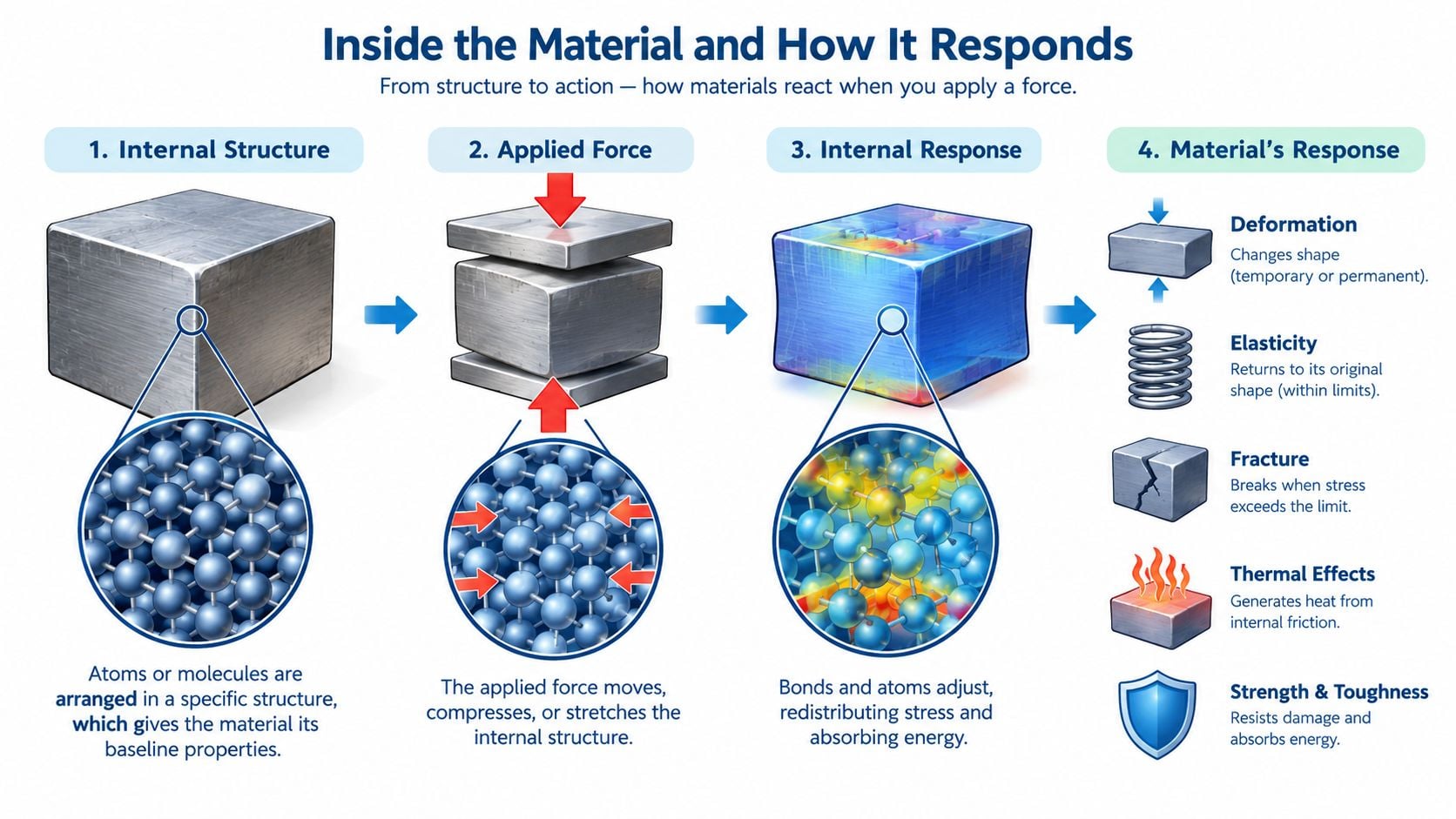
The response beneath the cover
When a sleeper lies down, the material yields gradually around heavier areas such as the shoulder, hip, and torso. Body warmth and weight influence that response. When the sleeper moves, the foam takes longer to regain its original shape than a buoyant fiber or traditional spring surface.
That slow rise can feel secure and pressure relieving, particularly for sleepers who dislike the sensation of floating above the bed. It can also feel restrictive to people who change position often. A sleeper who prefers quick repositioning may interpret the same contour as effort rather than comfort.
Density matters in practical terms. Denser foam generally resists immediate compression and offers a more substantial feel than inexpensive, loose-feeling foam. Tempur-Pedic markets its material as durable and more breathable than ordinary memory foam, while the company also describes the toppers as dust-mite and allergen-resistant. The Gorins explanation of memory foam mattresses provides additional background for shoppers unfamiliar with this type of response.
Cover construction and everyday feel
Some current models use a removable, washable cover. The cover's stretch and surface texture influence how directly the body feels the foam beneath it. A cover that fits closely preserves the slow contour. A thick protector or heavily padded sheet can soften that sensation and make the topper feel less immediate.
The material also isolates movement effectively because it doesn't transfer motion as quickly as a highly buoyant surface. That can help partners who share a bed, although the benefit doesn't override a poor fit in firmness or temperature.
The signature experience is therefore a combination of gradual contouring, pressure distribution, motion isolation, and slow recovery. Shoppers shouldn't expect a neutral or lively feel. The topper is designed to hold the body more closely, and that is precisely why some sleepers love it while others find it too warm or difficult to move on.
Comparing the Topper Profiles and Feels
This is a final-sale purchase, so choose the profile to correct a specific problem rather than buying the thicker option because it sounds more luxurious. The current lineup offers two practical choices. The TEMPUR-Cloud topper is two inches thick and has a breathable, moisture-wicking cover. The TEMPUR-Adapt + Cooling topper is three inches thick, uses extra-soft TEMPUR-Material, and has cool-to-the-touch performance fabric, according to Tempur-Pedic's topper product information.
That extra inch changes the bed noticeably. It creates more space between your body and the mattress, so the surface contours farther around the sleeper and softens the original firmness more aggressively. The cooling fabric affects the initial surface feel, but it does not turn a deep memory-foam topper into a naturally cool, quick-moving sleep surface.
| Profile | Thickness | Best For | Feel | Mattress Condition |
|---|---|---|---|---|
| TEMPUR-Cloud | 2 inches | A controlled comfort adjustment | Added cushioning while preserving more of the original feel | Firm and structurally sound |
| TEMPUR-Adapt + Cooling | 3 inches | Deeper pressure relief and a larger comfort change | More enveloping and noticeably softer | Firm mattress needing a stronger reset |
Choose by sleep position
Side sleepers usually need more cushioning at the shoulder and hip. That does not automatically make three inches the right choice. If the mattress is only slightly too firm, the two-inch profile adds pressure relief while keeping more of the underlying support and alignment.
Choose three inches when the bed feels substantially too firm, remains flat and stable, and needs a deeper, softer cradle. Back and stomach sleepers should be stricter about surface depth. Extra compliance can let the pelvis settle too far into the topper, which may change the alignment built into the mattress.
Body weight changes the result as well. A lighter sleeper may compress the foam less and experience a firmer surface. A heavier sleeper may move through the comfort layer faster and feel the mattress underneath. The Sleep Foundation review discusses the topper's strongest fit for sleepers under about 230 pounds. Use that guidance as a screening point, not a substitute for assessing your mattress and preferred firmness.
Make the showroom decision
Check the total bed height before ordering. The Gorins mattress thickness comparison is useful for judging how the added profile may affect getting into bed, sitting on the edge, and fitting existing bedding.
- Choose two inches if the mattress is supportive, the firmness problem is moderate, and you want to retain its recognizable feel.
- Choose three inches if pressure relief is the priority and the bed needs a stronger softening.
- Choose neither if the mattress has a structural dip, unstable support, or an already-soft surface.
Measure carefully, confirm the firmness decision, and review the current return terms before checkout. A topper cannot repair failed support, and a final-sale mistake is expensive.
Sizing Compatibility and Sheet Fit
A topper that misses the mattress dimensions becomes an expensive final-sale mistake. Match the topper to the mattress underneath it, not to an old topper, a remembered bed size, or a quick visual guess. Measure before you order, then confirm the current no-return or final-sale terms at checkout.
Tempur-Pedic toppers come in standard Twin, Twin XL, Full, Queen, King, California King, and Split King sizes, as listed in the Tempur-Pedic topper marketplace information. Measure the mattress at its thickest point, including a pillow top or any padding already on the surface. The Gorins bed sizes chart provides a useful reference for checking the mattress category before you measure at home.
The sheet checklist
A topper adds either two or three inches to the bed. That extra height affects fitted-sheet tension, corner grip, and how high the sleeping surface feels.
- Measure the mattress first: Record the full depth from the foundation-facing edge to the top of the current sleep surface.
- Add the topper profile: Include the selected two-inch or three-inch layer when checking the sheet's usable depth.
- Inspect pocket depth: Check the selected model's stated mattress-depth limit and confirm that your fitted sheet can cover the complete stack without force.
- Check the foundation height: A taller bed can feel awkward for shorter sleepers and can change how easily you sit down or stand up.
- Confirm Split King dimensions: Two Twin XL surfaces can leave a noticeable center gap and allow each partner to move independently.
For a Norwich bedroom, test the full height against your existing bedding before opening the packaging. A fitted sheet that barely reaches the corners can pull the topper out of position, create wrinkles beneath your body, and turn a comfort purchase into nightly maintenance.
Keep the packaging intact until the topper lies flat and the sheet stretches over the entire stack comfortably. If the measurements are wrong, the final-sale policy leaves little room to fix the decision. Measure the mattress, check the sheet depth, and review the purchase terms before paying.
Care Cleaning and Long-Term Upkeep
The cover handles routine maintenance, while the foam core requires careful treatment. Product information describes removable, washable covers on some topper models, along with dust-mite and allergen-resistant construction. Check the Tempur-Pedic topper care information for model-specific washing instructions before removing the cover.
A sensible maintenance routine
Follow the manufacturer's care label. Cold water, a gentle cycle, and low-temperature drying are sensible for a removable cover, but the label takes priority because construction varies by model.
The foam must stay out of the washing machine and dryer. For a spill, spot-clean the area with mild detergent, blot instead of scrubbing, and let the material air out completely before replacing the cover. Moisture trapped inside dense foam can create odor and contribute to deterioration.
Use a breathable protector as the first line of defense against sweat, dander, and accidental spills. The Gorins guide to mattress maintenance and cleaning covers the wider cleaning routine. Launder the protector regularly, since it can be cleaned more often than the topper cover.
Keeping the surface even
Rotate the topper from head to foot periodically to distribute repeated loading. Do not flip it upside down like a two-sided mattress. That can put the cover and foam in the wrong orientation.
Use low-suction vacuuming to remove surface dust without stressing the cover. Ventilate the bedroom as well, since dense foam can hold manufacturing scent longer than open, lightweight cushioning.
Care priority: Keep moisture and stains away from the foam. Cleaning the removable cover is straightforward. Removing contamination from inside the foam is not.
Treat care as part of the purchase decision, especially with a final-sale topper. Keep the packaging intact until you confirm the surface is clean, dry, and functioning as expected, then review the no-return terms before checkout. A good routine protects the comfort layer, but it cannot make an unsuitable mattress a better fit.
When a Topper Helps and When It Won't
A Tempur-Pedic topper makes sense when the mattress underneath is still level and supportive, but its surface feels too firm. It can soften pressure at the shoulders and hips when those areas lack cushioning. The topper changes the comfort layer, so it can improve surface feel without pretending to repair the bed below.
It cannot correct a sagging mattress, damaged support, or a pronounced hammock effect. Extra foam over a dip may let the sleeper sink farther into the depression, which can worsen alignment rather than restore it. If the bed is uneven, assess the mattress structure before spending on a premium, final-sale comfort layer.
Four situations that deserve caution
- The mattress is already soft: More contouring can make the surface feel unstable and make turning or getting up harder. Test the topper on a mattress with a similar feel, not only on a firm showroom bed.
- The sleeper has a heavier build: As noted earlier, independent review guidance indicates that pressure relief and contouring can change when more weight compresses the topper into the mattress beneath it. In a showroom, spend enough time in the usual sleeping positions and check whether the hips sink too far or the lower back loses support.
- The bedroom runs warm: Memory foam can hold body heat. Extra material between the sleeper and the mattress may make that warmth more noticeable, especially under insulating bedding.
- The buyer needs a trial period: A final-sale purchase leaves little room for a comfort decision that proves wrong at home. Confirm the feel, fit, and store policy before checkout.
Cooling claims need a practical reading. The three-inch Adapt + Cooling model uses a cool-to-the-touch performance fabric, and Tempur-Pedic promotes heat-management features across its topper range. Those details may improve the first surface sensation. They do not make dense viscoelastic foam naturally cool for every sleeper.
The cooling tradeoff
Industry coverage identifies heat retention as a continuing concern in the topper category. Gel-infused foam, phase-change materials, moisture-wicking covers, and breathable fabrics are common responses. A 2026 mattress topper market report describes memory foam as a leading innovation area while noting consumer interest in cooler-feeling, hypoallergenic, and more sustainable materials.
Use that distinction to make the purchase decision. If pressure relief is the main problem and the sleeper usually stays cool, Tempur-Pedic's contour may be worth testing. If temperature control matters more than deep cushioning, test other material categories before committing to a final-sale memory foam topper.
Room temperature, bedding, body weight, and the original mattress all affect the result. Test on a comparable surface in the showroom, then confirm the no-return terms before paying.
Warranty Coverage in Plain English
A warranty protects against qualifying product defects. It doesn't function as a comfort guarantee, a return period, or insurance against choosing the wrong profile.
Tempur-Pedic states that its toppers carry a 10-Year Limited Warranty. The company defines covered defects as physical flaws that cause the material to split or crack during normal use, or deterioration that prevents the material from returning to its original shape. The Tempur-Pedic warranty terms explain the formal coverage and remedy.
What the warranty can and cannot do
If a failure qualifies, Tempur-Pedic may repair or replace the product. The warranty also states that the purchaser may be responsible for a handling cost. That means a valid claim still isn't the same as receiving a refund or reversing the purchase.
The warranty doesn't solve several common shopper disappointments:
- The feel is too firm: Preference isn't a manufacturing defect.
- The feel is too soft: Comfort dissatisfaction doesn't automatically qualify.
- The sleeper feels warm: Temperature preference isn't structural failure.
- The topper doesn't suit the mattress: Compatibility is a buying decision, not a warranty defect.
- The surface changes through ordinary use: Normal comfort evolution isn't the same as material splitting, cracking, or failing to recover.
The warranty therefore adds reassurance about construction, but it doesn't remove the risk created by a final-sale purchase. Documentation should be retained, and the law tag and receipt should be photographed when the topper arrives. Those simple records make it easier to identify the product and support a future service conversation.
The best interpretation is practical: warranty coverage helps when the material fails in a defined way. It doesn't protect a shopper from selecting the wrong thickness, sleeping position match, or heat profile.
Buying Tips and the Norwich Showroom Next Step
The decision comes down to four questions: How thick should the topper be? Is the mattress underneath still sound? Will the sleeper compress the material too far? Can the sleeper tolerate a warmer foam feel? A shopper who can't answer those questions shouldn't treat an online product description as enough evidence.
A pre-purchase checklist
- Verify the mattress condition. The existing bed should be flat, supportive, and free of a major sag. A topper is a comfort adjustment, not a foundation repair.
- Measure the complete height. Record the mattress depth, add the selected topper profile, and confirm that the fitted sheets can accommodate the final stack.
- Match the profile to the complaint. Two inches generally preserves more of the original mattress feel. Three inches creates a more substantial change and deeper contour.
- Consider body weight and movement. Sleepers who compress or reposition frequently should test the material rather than assume the slow-rise feel will suit them.
- Treat cooling claims carefully. A cool-touch cover can improve the first impression, but heat-sensitive sleepers should assess the whole foam experience.
- Plan for the final-sale policy. The purchase should be treated as permanent before payment, not as a trial that can be sent back after a restless week.
Off-gassing also deserves a practical plan. A new topper should be opened in a ventilated room and allowed to air out before the first full night. The duration depends on the sleeper's sensitivity and the room's ventilation, so rushing the process makes little sense when the product is intended for nightly use.
Why testing matters in Norwich
The Sleep Gallery at Gorins Furniture & Mattress gives Norwich-area shoppers a place to compare the two-inch and three-inch feels before making a final-sale decision. A useful fitting appointment should include discussion of the current mattress, the sleeper's position, body weight, room temperature, sheet depth, and the total height of the bed.
The showroom can also help shoppers compare the topper feel with complete sleep systems rather than judging the topper in isolation. Testing on a floor model similar in firmness to the home mattress is more useful than lying on an unrelated surface and assuming the result will transfer.
Gorins has operated as a locally owned, family-operated business since 1936. Its Sleep Gallery includes top-tier sleep brands such as Tempur-Pedic, Serta, and Beautyrest, with the emphasis placed on comfort by feel and healthier sleep. The business also offers Promotional Financing with equal monthly payments, subject to applicable approval terms, which can make an investment-grade sleep purchase easier to plan without turning financing into a substitute for proper testing.
The same local design approach extends beyond sleep. Gorins offers Canadel Custom Dining with thousands of combinations, as well as the F9 Custom Sofa series for shoppers tailoring a home to a particular lifestyle. Those services matter here because a topper purchase also benefits from a measured, consultative process rather than a rushed add-on decision.
Before checkout, the staff should review the warranty paperwork, product dimensions, delivery logistics, cover details, and the final-sale policy. A shopper should leave knowing whether the chosen profile will soften the current mattress appropriately, whether the sheets will fit, and whether the expected feel matches the household's sleeping habits.
Final buying position: A Tempur-Pedic mattress topper is a strong comfort tool for a sound mattress that feels too firm. It's a poor investment for a sagging bed, a heat-sensitive sleeper, or anyone hoping the warranty will function as a return policy.
Norwich shoppers comparing mattresses and toppers can visit the Sleep Gallery, call ahead, or request a fitting appointment before committing. A hands-on test of both profiles gives the purchase a far better chance of delivering healthier sleep than choosing thickness from a product page alone.
Since 1936, Gorins Furniture & Mattress has helped Norwich and Eastern CT families create homes they love, from custom-designed Canadel dining sets to current Tempur-Pedic sleep technology, with personalized local service, Promotional Financing, and 5-Star Delivery. Norwich shoppers can visit Gorins Furniture & Mattress to test topper comfort by feel, review fitting and warranty details, and make this investment with eyes open rather than on a guess.