Mattress Topper Benefits for Better Sleep


A lot of people end up in the same spot. The mattress isn't terrible, but it isn't helping much either. It may feel too firm at the shoulders, too soft at the hips, or warmer than expected by the middle of the night.
That in-between problem is exactly why mattress toppers matter. They can change the feel of a bed, add pressure relief, protect the mattress underneath, and make a sleep setup feel more suited to real life. For homeowners and renters across Norwich, New London, Plainfield, Waterford, and surrounding Eastern CT and Rhode Island communities, that makes a topper one of the smartest sleep upgrades to consider before replacing the entire bed.
Is Your Mattress Not Quite Right
A common bedroom story goes like this. Someone buys a mattress that felt fine in the store, then after a few weeks at home it starts to feel just a little off. The back feels tight in the morning. A side sleeper notices pressure at the shoulder. A guest room bed feels usable, but not welcoming.
That doesn't always mean the mattress is a failure. Sometimes the bed needs a layer that better matches the sleeper.
A mattress topper works well in that middle ground. It isn't just a patch for an old bed. In many cases, it's an upgrade that changes the feel of the surface enough to make sleep more comfortable, more supportive, and more consistent night after night.
For families who pay attention to healthier sleep, allergens are often part of the conversation too. Indoor air and bedding both affect comfort, which is why a practical resource like Can Do Duct Cleaning's allergy guide can be useful alongside better bedding choices.
Why a topper can be the smarter first step
Replacing a mattress is a big decision. A topper is often the simpler move when the current bed still has a solid base but needs comfort adjustment.
A few common examples make this easier to picture:
- Too firm from day one: A mattress supports the body well, but it feels hard at the hips and shoulders.
- Slightly worn on top: The core still feels stable, but the surface has lost some comfort.
- Temperature frustration: The sleeper likes the mattress support, but not the way it sleeps.
- Guest room refresh: The bed needs a more inviting feel without turning into a full bedroom replacement project.
A good topper changes the sleep surface first. That's often all a room needs.
That practical, value-minded approach has helped local families make better home decisions for generations. Since 1936, Gorins has served as a locally owned, family-operated business with a reputation for helpful guidance instead of pressure. That same mindset applies to sleep advice. Start with the core problem, then choose the smallest solution that fixes it.
For readers comparing options and trying to understand where a topper fits into the bigger mattress decision, this guide on how to choose a mattress is a useful next step.
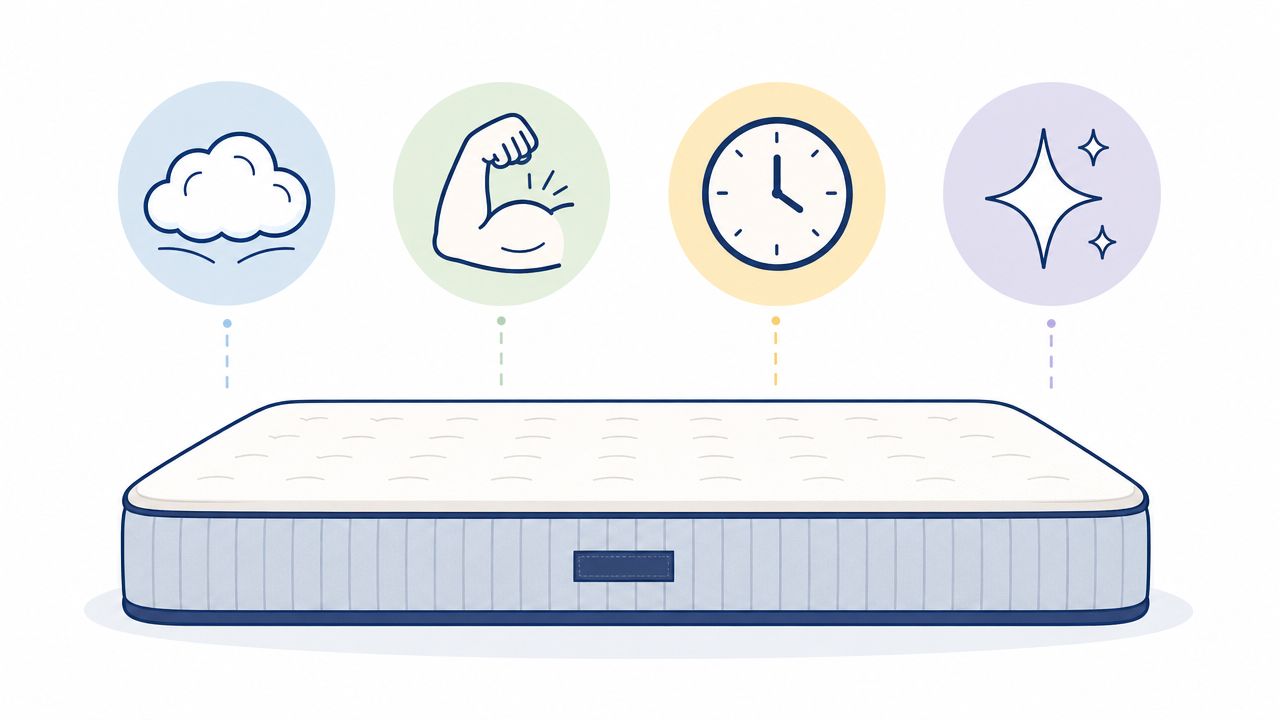
The Four Core Mattress Topper Benefits
Mattress topper benefits are noticeable because they change the exact surface your body rests on for hours at a time. If your mattress support is still good, a topper can fine-tune the feel in a way that is often easier and more affordable than replacing the whole bed.
Customized comfort
The first benefit is simple. A topper changes how the bed feels the moment you lie down.
A thin layer may soften the surface slightly, while a thicker topper can change the comfort level much more. That is why toppers help when a mattress is close to comfortable but still misses the mark at the shoulders, hips, or lower back.
In a showroom, this difference is easier to understand than it is online. You can lie on a firmer Tempur-Pedic or a supportive Serta model, add a topper with a different feel, and notice how the surface changes without guessing from product photos. That try-before-you-buy approach helps shoppers choose a topper that fits both the mattress and the sleeper.
A few common comfort fixes include:
- Softening a firm mattress for better cushioning at pressure points
- Adding a steadier surface feel if a bed feels too plush on top
- Reducing some motion on a shared bed with a more contouring material
Targeted pressure relief
Pressure relief often shows up the next morning. You wake up with less soreness because the surface has done a better job of spreading body weight across the mattress.
Side sleepers usually notice this first at the shoulders and hips. Back sleepers often notice it at the lower back, where small gaps between the body and mattress can create tension overnight. A topper fills in some of those gaps, which can help the body rest in a more natural position.
That is one reason a topper can be a smart test before a full mattress replacement. If the mattress core still feels supportive, changing the top few inches may solve the actual problem. For more habits that support deeper recovery at night, these tips for better sleep are a helpful companion.
Mattress protection and longevity
A topper also works as a buffer between daily life and the mattress itself. It takes on much of the direct contact from body weight, nightly movement, and everyday messes that slowly wear down the comfort surface.
That added layer is especially useful in homes with kids, pets, or a guest room that gets occasional use from different sleepers. Instead of asking the mattress to handle every bit of wear on its own, the topper absorbs part of that workload.
For shoppers comparing specialized cushioning designs for comfort or recovery needs, this overview of medical egg crate mattress options can help explain how surface patterns affect feel.
Temperature regulation
Temperature affects sleep quality more than many shoppers expect. If the bed traps too much heat, even a supportive mattress can feel hard to settle into.
The topper material plays a big role here. Some materials hold closer to the body, while others allow more airflow or feel less enveloping. The goal is not to find a topper that is universally "best." The goal is to match the topper to the sleeper, the mattress below it, and the bedroom environment.
This is another area where a local showroom helps. You can test different topper materials on mattresses from brands like Tempur-Pedic and Serta and compare how each surface feels in real time. That hands-on match-up is hard to replicate through an online description alone.
A Guide to Common Topper Materials
Material is where most shoppers get stuck. Two toppers can look similar online and feel completely different at night. The easiest way to sort them out is to focus on feel first, then match that feel to the sleep problem that needs solving.
Mattress Topper Material Comparison
| Material | Feel | Best For | Considerations |
|---|---|---|---|
| Memory foam | Close-conforming, body-hugging | Pressure relief, motion reduction, cushioning a firm bed | Some sleepers prefer a less enveloping feel |
| Gel-infused foam | Similar to foam with a cooler touch | Sleepers who want contouring with added temperature help | Feel varies by construction |
| Latex | Responsive, buoyant, easier to move on | Sleepers who want support without a deep sink | Usually feels springier than foam |
| Feather or down | Plush, airy, hotel-like softness | Softening the surface feel of a firm mattress | Usually offers less structured support |
| Wool | Cushioned, breathable, lightly padded | Sleepers who want natural temperature comfort and surface softness | Usually changes feel more subtly than dense foam |
Memory foam
Memory foam is the material many people picture first when talking about mattress topper benefits. It contours closely, softens pressure points, and can make a firm mattress feel much more forgiving.
It also brings practical health-related advantages. Sleep Boutique notes that memory foam mattress toppers are hypoallergenic and anti-bacterial, collecting significantly fewer dust mites than other mattress materials, which can provide measurable relief for allergy and asthma sufferers by reducing exposure to harmful microorganisms in bed.
That's one reason memory foam remains popular in premium sleep collections, including options associated with Tempur-Pedic style comfort. Readers who want a clearer breakdown of the material itself can review this guide on what a memory foam mattress is.
Gel-infused foam and latex
Gel-infused foam is often chosen by sleepers who like contouring but don't want the sleep surface to feel overly insulating. It's a good middle ground for people who enjoy foam comfort and want a fresher surface feel.
Latex has a different personality. It responds faster, feels more buoyant, and doesn't create the same deep cradle as traditional memory foam. That makes it appealing for sleepers who want pressure relief but still want to turn easily from side to back or back to stomach.
Some people describe memory foam as a hug. Latex feels more like gentle lift.
Feather, down, and wool
Feather and down toppers are about softness first. They can make a bed feel more luxurious and welcoming, especially in guest spaces or on mattresses that feel a little flat on top.
Wool tends to appeal to shoppers who want breathable comfort and a more natural sleep surface. It usually adds a light cushioned layer rather than a dramatic firmness change.
These softer-fill options can be wonderful in the right setting, but they solve a different problem than dense foam or latex. If the main issue is deep pressure at the hips or shoulders, a more supportive material usually does more work.
Choosing the Right Thickness and Density
You bring home a topper because the mattress feels close, but not quite right. Then a common question comes up in the showroom. Should you choose the thickest option so you feel the biggest improvement? Usually, no. Thickness controls how much of the mattress underneath you still notice, so the best choice depends on what you are trying to fix.
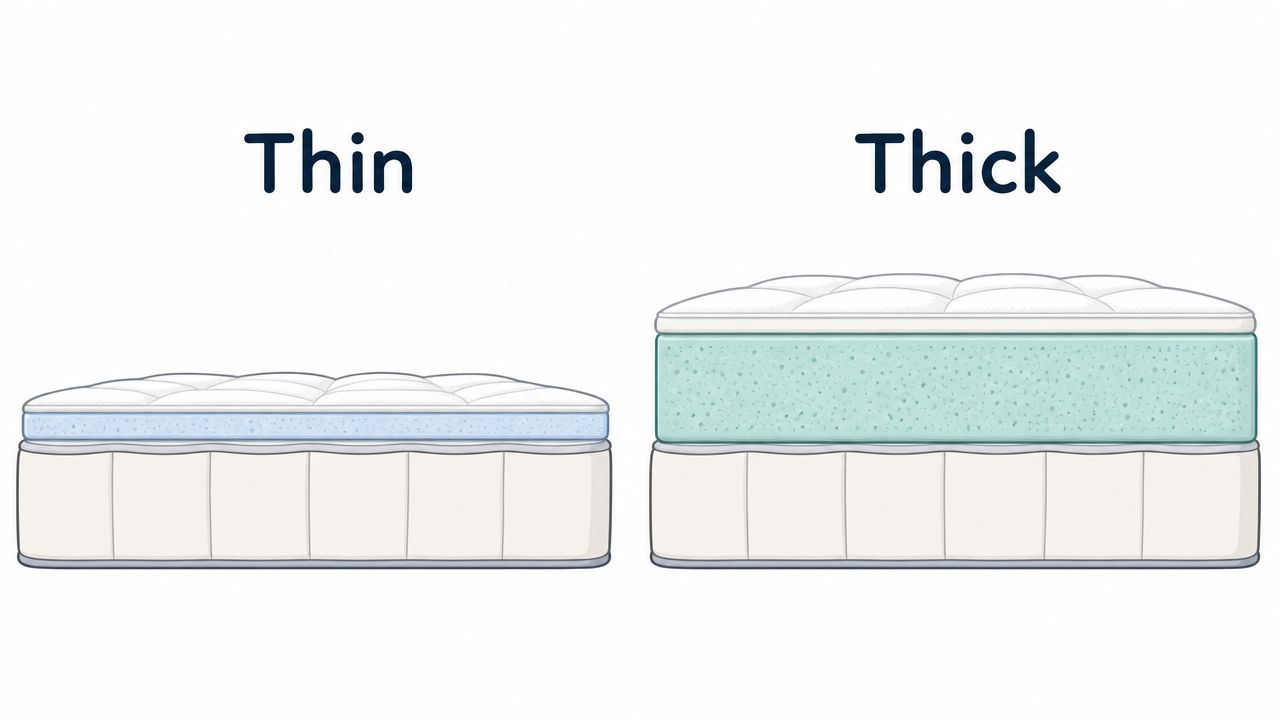
A thinner topper works like adding a cushion to a firm chair. You still feel the support underneath, but the surface becomes more forgiving. A thicker topper changes the experience more noticeably because your body interacts with more comfort material before it reaches the mattress below.
That is why thickness and density need to be considered together.
Thickness tells you how much material sits between you and the mattress. Density helps explain how substantial that material feels and how well it holds up. A denser foam topper often feels steadier and more supportive over time, while a lower-density option can feel plush at first yet lose that consistent feel sooner.
What different thickness levels usually do
A simple way to sort it out is by the amount of change you want.
- Thin toppers usually make a mild comfort adjustment. They are often a good fit when the mattress support feels fine and only the top surface needs a softer touch.
- Medium toppers tend to balance cushioning and support. For many sleepers, this range softens pressure points without covering up the character of the mattress.
- Thick toppers create the biggest shift in feel. They can help when a bed feels much too firm, but they can also make the sleep surface feel taller, deeper, or less stable if the match is off.
Sleep position helps narrow the choice, but body shape and the mattress underneath matter too. Side sleepers often need more room for shoulders and hips to settle in. Back sleepers usually do best with moderate cushioning and steady support. Stomach sleepers often feel more comfortable with a lower-profile topper that does not let the midsection sink too far.
The goal is precision, not excess.
This is one of the biggest advantages of shopping in a local showroom instead of guessing from a screen. At Gorins, you can lie on different topper profiles and feel how a thinner latex topper, a denser memory foam topper, or a plusher option changes the comfort of mattresses from collections such as Tempur-Pedic and Serta. That hands-on comparison helps shoppers avoid buying a topper that sounds good on paper but feels wrong after a full night of sleep.
If you are also trying to picture how topper height changes the full bed setup, this mattress thickness comparison guide gives a helpful visual reference.
One practical detail is bed height. A very thick topper can make it harder to get in and out of bed, affect how fitted sheets sit, and change the feel of the mattress edge. If a topper becomes part of a larger bedroom upgrade, old sleep products may need to be removed responsibly, and Renue Systems mattress disposal is one example of that kind of service.
A well-matched topper should feel like a fine adjustment, not a rescue mission. When the mattress already provides good support, the right thickness and density can improve comfort, support healthier sleep, and help you spend wisely instead of replacing the whole bed too soon.
Who Should Use a Topper and When to Replace Your Mattress
A topper is a great solution for the right bed. It's the wrong solution for the wrong bed.
That honest distinction matters because a lot of shoppers try to fix structural mattress problems with comfort layers. Sometimes that works. Sometimes it only delays the ultimate decision.
Who usually benefits most
A topper tends to make the most sense for people in a few clear situations.
- New mattress owners with firmness regret: The support is good, but the top feels harsher than expected.
- Side sleepers needing more cushioning: Hips and shoulders take too much pressure on a flatter surface.
- Guest room refreshers: A bed can feel far more welcoming with a comfort upgrade instead of a full replacement.
- Budget-conscious households: For families in places like Plainfield or Waterford, a topper can be an investment-grade way to improve sleep without jumping straight to a new mattress.
That practical impact shows up in pain relief too. AARP reports that 81% of respondents in its Smart Picks survey said they felt less pain after using a new mattress topper.
When a topper isn't enough
A topper can soften, cushion, and protect. It can't rebuild a failed mattress.
If the bed has deep body impressions, clear sagging, broken-down support, or a lumpy surface, adding more padding usually won't create healthier sleep. In fact, it can make alignment harder because the body sinks into an uneven base.
A quick reality check helps:
- Good candidate for a topper: Mattress feels too firm, too flat, or slightly tired on top, but still feels level and supportive.
- Poor candidate for a topper: Mattress visibly dips, caves, or feels unstable under the body.
If the support core is gone, comfort layers won't bring it back.
When replacement becomes the better path, disposal becomes part of the process too. For readers planning that next step, this guide to Renue Systems mattress disposal can help with practical cleanup planning.
Caring for Your Topper to Maximize Its Lifespan
A mattress topper is a lot like the comfort layer on a well-made sofa. It handles nightly pressure, body heat, and moisture while still being expected to feel inviting every time someone lies down. Good care keeps that comfort more consistent and helps the topper stay supportive longer.
The goal is simple. Protect the feel you paid for.
A few habits make the biggest difference:
- Use a protector: A waterproof or moisture-resistant protector helps guard against sweat, spills, and everyday skin oils that soak in over time.
- Rotate it on a schedule: Turning the topper every few months can help it wear more evenly, especially if one person sleeps in the same spot night after night.
- Clean it the right way for its material: Foam usually responds best to light spot cleaning and full drying. Fiber and wool styles often benefit more from airing out and gentle surface care.
- Let moisture escape: Pull back the sheets now and then so trapped humidity can dissipate instead of settling into the topper.
Body oils, spills, humidity, and compression are what shorten bedding life fastest. Once those build up, a topper can start to feel flatter, warmer, or less fresh even if it still looks fine from the outside.
Normal aging can be easy to miss because it happens gradually. The topper may stop springing back as quickly. Soft spots can form where hips and shoulders rest most often. If the surface stays compressed, feels uneven, or no longer adds the pressure relief it once did, the material is likely wearing out.
That is one reason in-store guidance helps. At a local showroom like Gorins, shoppers can feel the difference between a topper that still has healthy cushioning and one that has lost its comfort life. It also helps to test how a topper pairs with the mattress underneath, since the same topper can feel different on different bed constructions, including options from Tempur-Pedic and Serta available in-store. Online photos cannot show that interaction clearly.
For a broader bedding-care routine, this guide to mattress maintenance and cleaning tips that help extend bed life is a useful reference.
Consistent care protects comfort, cleanliness, and long-term value. That makes a topper a smarter purchase for healthier sleep, not just a quick comfort fix.
Find Your Perfect Feel at Gorins Sleep Gallery
Online research can narrow the field. It can't tell someone exactly how a topper will feel under the shoulders, behind the knees, or across the lower back.
That's where a local showroom still matters. Comfort is physical. The most reliable way to judge a topper is to lie down on it, change positions, and feel how it pairs with the mattress below.

For shoppers looking at Mattresses Norwich CT, that try-before-you-buy experience is especially valuable when comparing how a topper behaves on different sleep systems. A topper paired with Tempur-Pedic will feel different than the same topper placed over Serta or Beautyrest. Support, surface response, and pressure relief all change depending on the mattress underneath.
Why in-store testing makes a difference
A local showroom gives shoppers something online-only retailers can't fully duplicate.
- Comfort by feel: The body can tell quickly whether a topper creates relief or adds softness.
- Better brand matching: A topper can be tested on multiple mattress constructions in one visit.
- Clearer guidance: A knowledgeable sleep team can help narrow choices based on sleeping position, pressure points, and temperature preferences.
That kind of help is part of what makes local shopping feel customized to your lifestyle rather than generic.
A sleep upgrade that fits the household
For many households in Norwich, New London, Waterford, Plainfield, and nearby communities, sleep comfort has to balance wellness and budget. That's why Promotional Financing with equal monthly payments can make sense on bigger sleep purchases. It lowers the barrier to making a bedroom more comfortable now instead of putting off better rest.
The same value-minded thinking shows up across the showroom. Since 1936, this locally owned, family-operated business has focused on helpful service, investment-grade quality, and practical choices for real homes. Outside the Sleep Gallery, shoppers can also explore Canadel Custom Dining with thousands of combinations and the F9 Custom Sofa series for living spaces designed around the way families live.
For those seeking a Furniture store Norwich CT, Custom Dining Norwich, Living Room Furniture Eastern CT, or Canadel Furniture Connecticut, the advantage is the same. A showroom visit replaces guesswork with a real experience.
Since 1936, Gorins Furniture & Mattress has helped Norwich and Eastern CT families create homes they love. From custom-designed Canadel dining sets to the latest in Tempur-Pedic sleep technology, they combine a massive selection with the personalized care only a local, family-owned business can provide. Visit the Norwich showroom to experience quality, value, and 5-Star Delivery service, take the online Style Quiz, or browse the Clearance section for value-driven savings.