10 Best Sleep Accessories for Healthier Rest


The best sleep accessories depend on the problem keeping someone awake. Neck discomfort calls for better alignment, overheating points toward cooling layers and breathable bedding, while street noise, early sunlight, or concern about spills requires a different solution. A thoughtful setup solves the specific disruption instead of adding products that create clutter.
That practical, comfort-by-feel approach is central to the Sleep Gallery at Gorins Furniture & Mattress. Founded in 1936, the locally owned, family-operated business helps neighbors compare Tempur-Pedic, Serta, and Beautyrest mattresses alongside pillows, bases, bedding, and protection. The Norwich showroom serves customers in Norwich, New London, Plainfield, Waterford, and surrounding Eastern Connecticut and Rhode Island communities.
Sleep accessories are already familiar to many American shoppers. A 2023 American Academy of Sleep Medicine survey found that 47% of Americans use a fan, 29% use blackout curtains, 20% use a sleep mask, and 20% use a weighted blanket according to the survey report. The figures point to practical needs, especially cooling, darkness, and pressure relief, rather than niche luxury purchases.
The right accessory should solve a specific sleep problem, then work naturally with the mattress beneath it.
The following roundup compares the benefits, limitations, and buying considerations behind the best sleep accessories, with a focus on building a coordinated sleep system through a local showroom.
1. Premium Memory Foam Pillows by Tempur-Pedic
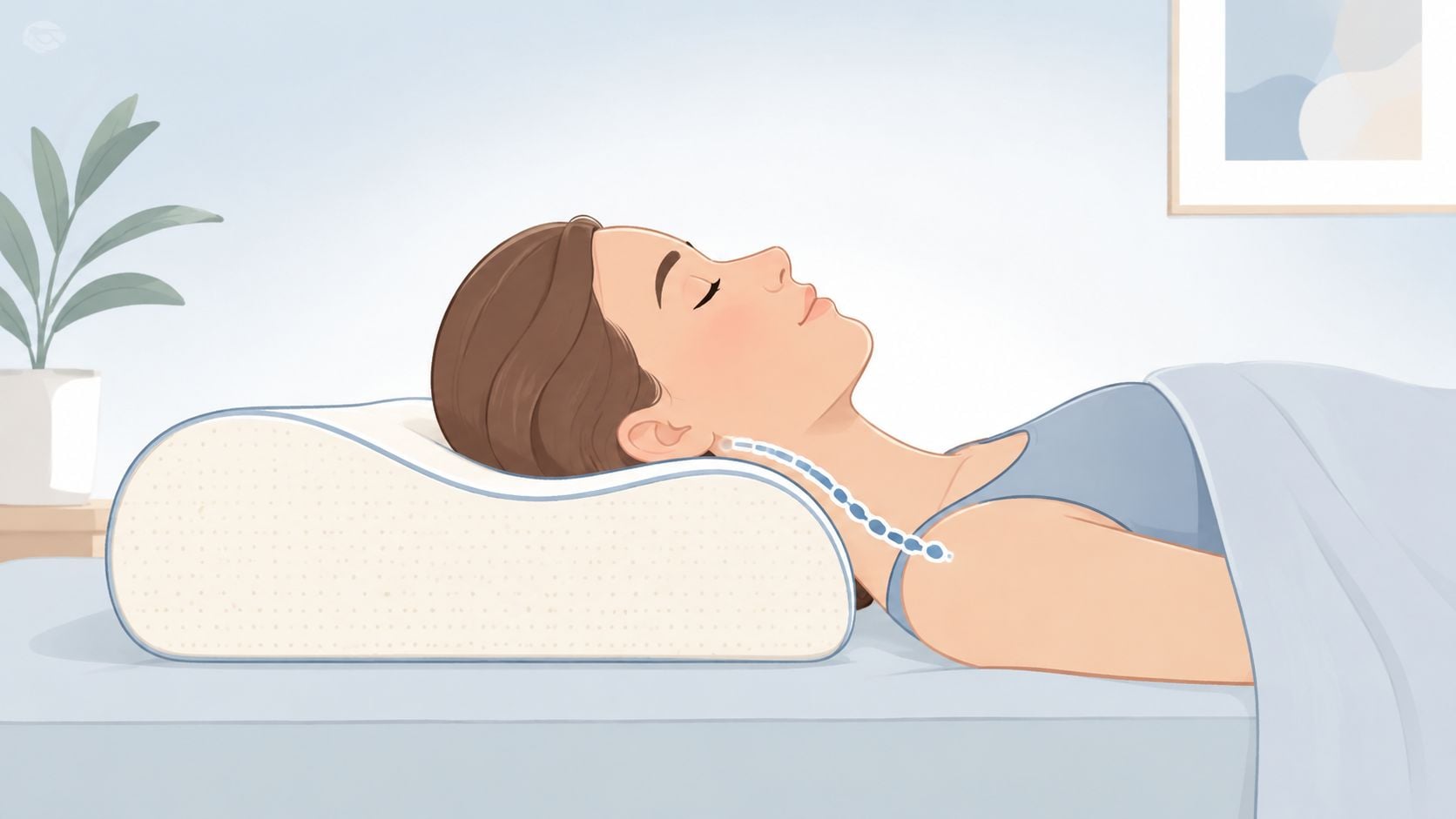
A pillow can undermine a supportive mattress if it tilts the head or leaves the neck without steady support. Tempur-Pedic memory foam pillows use responsive TEMPUR material that conforms around the head and neck, creating a more stable feel than a loose fiber pillow that flattens easily. That makes them a practical option for sleepers whose main problem is alignment.
Side sleepers usually need enough loft to fill the space between the shoulder and head. Back sleepers often feel better with a lower, gently shaped profile. The right height also depends on body shape and mattress firmness. A pillow that feels supportive on a firm bed may push the head too high on a plusher surface, so testing by feel matters more than choosing from a photograph.
Consumer Reports examines pillows through more than brand descriptions. Its reviews use human-subject assessments and other tests to consider support, resilience, and user preference in its pillow testing methodology. One cited ranking gave the Coop Home Goods Premium Adjustable Loft pillow 84 out of 100, with excellent marks for side support, back support, resilience, and user preference. That example shows why adjustability and pressure support belong in the buying discussion, while personal comfort remains individual.
How to test the fit
At the Norwich showroom, compare firmness and loft while considering the mattress beneath you. The pillow should support the neck without pushing the chin toward the chest or letting the head fall backward. Short testing sessions can reveal pressure at the shoulder, jaw, or upper back.
- Test with the intended mattress feel: A pillow suited to a firm surface may feel too tall on a softer bed.
- Use the removable cover immediately: It helps shield the pillow from oils, moisture, and everyday wear.
- Allow an adjustment period: Memory foam may feel unfamiliar at first. Gradual adaptation can be more useful than an instant verdict.
- Build a matched system: Consider a Tempur-Pedic pillow alongside the Tempur-Pedic mattress collection so alignment and pressure relief work together rather than treating the pillow as an isolated purchase.
Promotional Financing with equal monthly payments can help spread a larger sleep-system investment, subject to applicable terms and credit approval.
2. Cooling Gel Sleep Toppers
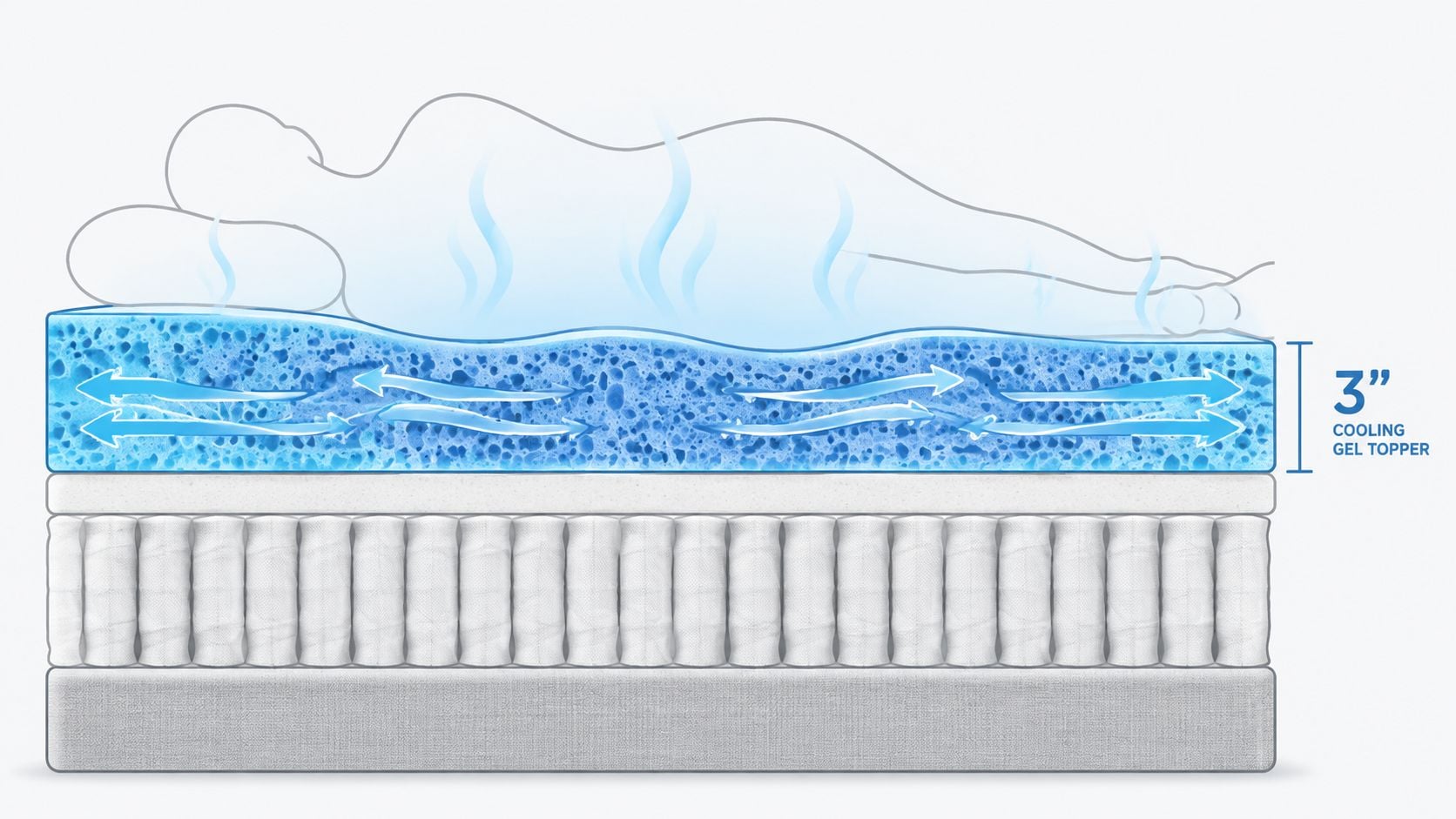
If your mattress feels comfortable in the morning but leaves you hot at night, a cooling gel topper may improve the surface without replacing the whole bed. It adds a cushioning layer over the existing mattress, giving hot sleepers another way to address temperature and pressure concerns.
Gel-infused foam can help the surface feel cooler while changing how the mattress responds under the shoulders and hips. That comfort adjustment has limits. A topper cannot correct sagging, weakened support, or a foundation that no longer holds the mattress properly. Use it to refine a sound sleep surface, not to conceal structural wear.
Thickness determines the feel. A thinner topper preserves more of the mattress's original response, while a thicker one creates softer, more enveloping cushioning. Couples should also consider whether one full-width layer suits both sleepers, particularly when their temperature or firmness preferences differ.
Build the temperature plan around your mattress
Start with the problem you are trying to solve. If heat is the main issue, pair the topper with breathable, moisture-managing bedding. If spills and perspiration are the concern, place a waterproof mattress protector below the topper to shield the mattress without adding an unnecessary barrier above the comfort layer.
At the Norwich showroom, compare surface feel with the mattress underneath. A gently cushioned topper and a deeper foam embrace can feel very different, even when both are described as cooling. The Sleep Gallery can also help you consider a topper with Serta or Beautyrest mattresses and other available mattress feels, rather than treating the accessory as a standalone choice.
Follow the care directions and rotate the topper when permitted. That can help distribute wear more evenly over time.
For a practical explanation of how an added comfort layer can affect a bed, read this mattress topper benefits guide. Promotional Financing with equal monthly payments may help with planning a comfort upgrade, subject to credit approval.
3. Adjustable Bed Bases with Massage Features
An adjustable bed base changes the sleep surface position, helping address posture and relaxation without changing the mattress's cushioning. Raising the head can suit reading or winding down, while lifting the legs may feel more comfortable during rest. Massage adds a relaxation option, but it does not replace medical care.
The right configuration depends on daily habits. A reader may prefer head elevation, while partners with different positioning needs may benefit from dual-sided adjustment. Anyone recovering from a procedure should follow medical guidance before changing sleep positions.
Match movement to the rest of the sleep system
A remote control and preset positions matter only if the movement feels natural. At the Norwich showroom, test head and leg elevation, mattress flexibility, control placement, and massage intensity together. This practical check helps reveal whether the base supports your alignment and relaxation needs, rather than just offering more features.
Build the setup around compatibility:
- Choose a compatible mattress: The Sleep Gallery includes Tempur-Pedic, Beautyrest, and Serta options that can be evaluated with adjustable foundations.
- Start massage gently: Use a comfortable intensity first, then adjust gradually according to personal preference.
- Allow separate positions: Dual-motor arrangements let partners select different elevations instead of sharing one setting.
- Plan the installation: Gorins' 5-Star Delivery service can help with delivery and installation details.
For more details on features and compatibility, explore the adjustable bed base collection.
An adjustable base is a significant investment, so promotional financing with equal monthly payments may help with planning, subject to credit approval. The strongest result comes from coordinating the base with the mattress, room routine, and comfort preferences. Massage, positioning, and mattress flexibility should work together rather than being chosen as isolated features.
4. Weighted Sleep Blankets
Racing thoughts, sensory discomfort, or a demanding night-shift routine can make settling down difficult. A weighted blanket applies distributed pressure across the body, which some sleepers find grounding during bedtime or daytime rest. The response is personal. Some enjoy that held-in-place feeling, while others feel restricted or too warm.
Survey findings from the American Academy of Sleep Medicine reported that 20% of Americans used weighted blankets in 2023, as shown in its sleep accessories findings. That familiarity does not make one suitable for every sleeper.
Use the blanket as part of a repeatable relaxation routine, rather than treating added weight as a solution on its own. A night-shift worker might use it after work while winding down. Partners may also prefer separate blankets, allowing one person to choose pressure without changing the other person's bedding.
Match pressure with temperature
The right blanket should feel reassuring and manageable. At the Norwich showroom, assess how easily you can move beneath it and whether the weight feels evenly distributed. Breathable cotton or bamboo-style fabrics may suit sleepers who already run warm. Pairing a heavy blanket with a cooling topper and lighter bedding can be more comfortable than combining several heat-retaining layers.
Keep these practical points in mind:
- Check care instructions: Regular cleaning supports hygiene and helps maintain the fabric.
- Keep layers orderly: A fitted sheet can help stabilize bedding on a Tempur-Pedic, Serta, or Beautyrest mattress.
- Introduce pressure gradually: Try it for a few nights and note whether the sensation helps you relax or becomes distracting.
- Review individual needs: Children, older adults, and anyone with medical concerns should ask a qualified healthcare professional whether a weighted blanket is appropriate.
Some sleepers may prefer a less concentrated option. Compare the feel and coverage of wearable blankets for adults when choosing clothing-like warmth. The useful measure is whether the accessory supports relaxation without overheating or limiting movement.
5. Luxury Sleep Pillowcases and Bedding Sets
A rough pillowcase, damp sheet, or loose fitted corner can disturb sleep even when the mattress feels right. Cotton, bamboo, and silk pillowcases and sheet sets change the surface feel through their texture, breathability, and moisture handling. Choose by the problem you notice at night, not by appearance alone.
Hot sleepers often do better with a lighter, breathable weave. Silk can reduce friction around the face and hair, while cotton may offer easier washing and a familiar feel. Bamboo-style fabrics may suit shoppers seeking a smooth, breathable surface. Homes with pets, children, or frequent laundry should compare care demands with softness and durability.
Build bedding around the sleep setup
A deep-pocket fitted sheet helps contain the added height of a topper. Adjustable bases create another practical issue: as the bed moves, ordinary corners can pull loose. Fitted-sheet stays or clips may improve stability, provided they do not compress the mattress or interfere with the base.
Use the layers as a coordinated system:
- Start with the room: Warm bedrooms suit breathable materials and lighter layers. Cooler rooms may call for a denser, more insulating feel.
- Protect the pillow: A washable pillow protector places a cleanable barrier beneath the decorative case.
- Match the mattress feel: Bedding should support the comfort of Tempur-Pedic, Beautyrest, or Serta surfaces, not disguise support that already feels wrong.
- Plan for washing: Follow the fabric's laundering guidance, including suitable detergent and water temperature, to help preserve texture.
- Check the showroom feel: At Gorins, compare fabric hand feel against the mattress and consider how the set will work with your room temperature, sleeping position, and washing routine.
A coordinated set can support temperature control, reduce friction, and keep the bed orderly. The most attractive option is not always the most comfortable against the skin.
For shoppers comparing lower-chemical options, low-chemical bedding extras offer another starting point. Gorins' Norwich showroom guidance can help connect pillowcases, sheets, protectors, and the mattress into one practical sleep system.
6. White Noise Machines and Sleep Sound Systems
Traffic, hallway activity, or a partner's snoring can turn a quiet bedroom into a series of sudden interruptions. A white noise machine softens those changes by adding a steady background layer. Some sleepers prefer static, while others relax more readily with rain, ocean, or other nature-based sounds.
Sound masking still needs restraint. A systematic review of 34 studies involving 1,103 people found improved sleep outcomes in only 19 studies, and described the evidence for continuous noise as very low quality in the review of noise as a sleep aid. The same review raised concerns about possible effects on sleep and hearing. Personal testing, moderate volume, and an easy stop option make better sense than assuming louder playback will work better.
Match the sound to the disturbance
Use the lowest setting that covers disruptive peaks without becoming another interruption. Begin at a moderate level, then lower it gradually to find the quietest effective setting. A timer can limit unnecessary playback, especially if the main disturbance occurs while falling asleep.
The right setup depends on the room and routine:
- Traffic exposure: A consistent background can make intermittent street sounds less noticeable.
- Shared bedrooms: Sound masking may help when one sleeper snores, although it will not address breathing concerns that need medical attention.
- Irregular schedules: Shift workers may value a repeatable auditory cue during daytime rest.
- Control preferences: App-based controls and sound libraries suit people who want customization. A simple plug-in unit may work better for anyone reducing devices and setup steps.
Keep the machine away from the pillow and check whether its light, controls, or changing tracks create new distractions. The AASM's sleep-tracking findings also reinforce the value of simple, trustworthy sleep technology. At Gorins, sound choices can be considered alongside the mattress, bedroom conditions, and broader sleep routine. A sound system can complement Tempur-Pedic, Beautyrest, or Serta bedding, but it cannot correct an uncomfortable mattress or excessive noise that requires a different solution.
7. Ergonomic Sleep Pillows for Side and Back Sleepers
Waking with a tight neck or repeatedly pulling the pillow back into place usually points to a support mismatch. An ergonomic pillow should keep the head, neck, and spine in a neutral relationship. Side sleepers commonly need enough height to fill the space above the shoulder, while back sleepers generally need a shape that supports the neck without pushing the head forward.
Mattress feel changes the answer. On a softer surface, the shoulder may sink farther, reducing the pillow height a side sleeper needs. A firmer mattress can call for a different profile. Contoured designs, adjustable inserts, and resilient foam help maintain support, but comfort still depends on the sleeper's body and usual position.
Start with the way you sleep, including any movement between positions. Morning neck tension, shoulder pressure, or constant repositioning are useful clues. Ongoing pain should be assessed professionally rather than treated through a pillow alone.
At the Norwich Sleep Gallery, test the pillow while lying on a comparable mattress. Check:
- Height: Compare lower, medium, and higher profiles in the intended position.
- Neck support: Confirm that the head stays level rather than tilting toward or away from the mattress.
- Mattress pairing: Try the pillow on a similar Tempur-Pedic, Beautyrest, or Serta surface where possible.
- Cover care: Use the removable cover from the start to limit contact with sweat and skin oils.
- Adjustment time: Allow the neck to adapt to a new profile, unless discomfort is immediate or severe.
The guide to choosing a pillow can help shoppers prepare before a showroom visit. Pillow selection works best as part of a coordinated sleep system, matching height and feel with the mattress and the sleeper's position. Support comes from the right profile, not just the firmest option.
8. Premium Mattress Protectors and Encasements
Spills, perspiration, stains, dust, and daily household wear can reach a mattress quickly. A protector creates a washable barrier over the sleep surface, helping preserve its feel while routine cleaning handles the rest.
Choose the coverage to match the household. A surface protector covers the top, while an encasement surrounds more of the mattress. Encasements suit homes with young children, pets, or greater concern about allergens. Breathability still matters. Heat retention, crinkling, or a plasticky feel can change how the mattress performs at night.
Match protection to the mattress and base
Protection should be fitted before the first spill, not after it. During a Gorins mattress consultation, confirm the protector's dimensions, depth, washing instructions, and any warranty requirements for the chosen Tempur-Pedic, Beautyrest, or Serta mattress.
Use these checks at the Norwich showroom:
- Secure fit: Loose fabric can bunch under fitted sheets and create pressure points.
- Base compatibility: An adjustable base requires flexible material that stays in place as the foundation moves.
- Feel preservation: A breathable barrier should protect without adding a thick layer that changes the mattress noticeably.
- Care routine: Follow the label for washing frequency and temperature, since maintenance varies by product.
- Whole-system planning: Pair the protector with the mattress, sheets, and bed base so comfort and upkeep work together.
The mattress protector benefits guide explains why this layer belongs in the mattress decision, not as an afterthought. Protection also supports measurable habits: regular washing, prompt spill treatment, and checking for shifting or heat buildup help maintain the intended comfort.
At Gorins, choose the mattress by feel first, then set up the protective layers around your room, household, and base. Promotional Financing with equal monthly payments may help households plan the mattress and protector as one coordinated investment, subject to credit approval.
9. Smart Sleep Tracking Devices and Wearables
A tracker suits sleepers who want evidence before changing their routine. Wearable and bedside devices may record movement, heart rate, temperature, or sleep timing, then display patterns in an app. The useful question is whether that information will lead to a practical adjustment.
Adoption is substantial. The American Academy of Sleep Medicine reported that 48% of adults have used a sleep-tracking device, and 77% of users said it was helpful in its sleep-tracking survey. Confidence and privacy remain concerns, with 54% of adults worried about data privacy and 52% lacking confidence that technology and apps improve sleep. Check permissions, data storage, sharing controls, and setup before buying.
Use the device as feedback, not a verdict. A tracker can reveal patterns after you adjust a pillow, topper, room temperature, or bedtime routine. It cannot diagnose a sleep disorder. A nightly score that encourages repeated checking may also interfere with the relaxation your sleep system is meant to support.
Start with ordinary nights to establish a personal baseline. Then change one major factor at a time, such as alignment support, temperature control, sound, or light management. Keeping the rest of the setup stable makes the result easier to judge. Review trends across several nights rather than reacting to one unusual reading.
Persistent symptoms, breathing concerns, or severe daytime fatigue call for professional sleep evaluation. At a Gorins showroom consultation in Norwich, tracking can complement a comfort-by-feel assessment, but it should not replace attention to how your mattress, pillow, bedding, and room feel. The right device earns its place when its information produces a clear, sensible adjustment.
10. Blackout Curtains and Sleep Environment Optimization Accessories
Streetlamps, early sunlight, and daytime sleep can disrupt rest before alignment or temperature become relevant. Blackout curtains and shades reduce unwanted brightness, while dimmable bedside lighting makes the transition to bed less abrupt.
Blackout curtains are a practical part of a coordinated sleep system, particularly for shift workers, early risers, children, and bedrooms facing busy streets. A well-fitted curtain can make the room feel more private and consistent as outdoor light changes. Fit matters more than fabric alone. Gaps at the sides, top, or bottom can let enough light through to weaken the result.
Match the room to the sleep problem
Start by measuring the window and deciding whether the room needs full daytime darkness or better control after sunset. Layering blackout fabric with existing window treatments can preserve the room's design while limiting light. Motorized controls suit households that benefit from repeatable opening and closing times, but manual curtains may be easier when schedules vary.
Build the remaining accessories around the sleeper:
- Warm, dimmable lighting: Lower-intensity light supports a calmer pre-sleep routine.
- Sound management: Pair light control with a tested sound machine when household or street noise is also disruptive.
- Temperature control: Cooling bedding or a topper may matter as much as darkness for hot sleepers.
- Routine-friendly design: Shift workers need daytime darkness without losing convenient access to the room.
- Measurable habits: Track bedtime, wake time, light exposure, and comfort changes so adjustments are based on repeated nights rather than one result.
The mattress remains the foundation. At a Gorins showroom in Norwich, comfort-by-feel assessment can help connect light control with alignment, temperature, and bedding choices instead of treating each accessory separately. For routine and clothing considerations, see this guide to sleep hygiene for robe wearers.
Top 10 Sleep Accessories Comparison
| Item | Implementation complexity | Resource requirements | Expected outcomes | Ideal use cases | Key advantages |
|---|---|---|---|---|---|
| Premium Memory Foam Pillows by Tempur-Pedic | Low, plug-and-play; brief adjustment period | Moderate upfront cost; occasional cover washing; heavier than standard pillows | Personalized neck/head support; reduced pressure points; better spinal alignment | Chronic neck pain, back sleepers, pairing with Tempur-Pedic mattresses | Long-lasting conforming support; hypoallergenic; multiple firmness options |
| Cooling Gel Sleep Toppers | Low, place on mattress; may need fitted sheets | Moderate cost; 3–4" thickness; rotate monthly; fitted-sheet fit required | Noticeable temperature reduction; added comfort; extends mattress life | Hot sleepers, budget mattress upgrades, couples with different temps | Affordable cooling upgrade; compatible with existing mattresses; immediate effect |
| Adjustable Bed Bases with Massage Features | High, electrical setup, delivery, learning curve | High cost; requires outlet and space; professional setup recommended | Improved positioning, pain relief, circulation, relaxation; sleep quality gains | Chronic back/neck pain, circulation issues, couples needing different positions | Motorized elevation; massage modes; memory presets and convenience ports |
| Weighted Sleep Blankets | Low, simple selection by weight; brief adjustment period | Low–moderate cost; choose ~8–10% body weight; heavier laundry care | Reduced anxiety; faster sleep onset; deeper, more restorative sleep | Anxiety/insomnia, sensory disorders, daytime sleepers, relaxation practices | Non‑pharmaceutical calming; clinically supported; affordable therapeutic option |
| Luxury Sleep Pillow Cases and Bedding Sets | Low, purchase and regular gentle care | Moderate–high cost; special laundering; deep‑pocket sheets for toppers | Improved temperature regulation, skin/hair health, overall comfort | Sensitive skin, hot sleepers, luxury bedroom upgrades | Premium fabrics (silk/bamboo/Egyptian cotton); moisture‑wicking and protective |
| White Noise Machines and Sleep Sound Systems | Low, plug‑and‑play; optional app setup | Low cost; power or battery; nightstand placement | Masks disruptive sounds; improved sleep onset and continuity for light sleepers | Urban sleepers, partners who snore, shift workers | Affordable, non‑pharmaceutical noise masking; portable; multiple sound options |
| Ergonomic Sleep Pillows for Side and Back Sleepers | Low–medium, requires correct loft/fit and short adjustment | Moderate cost; testing in showroom advised; removable covers | Better cervical alignment; reduced neck pain and morning stiffness | Side/back sleepers, chronic neck pain sufferers, athletes | Contoured, position‑specific support; durable; reduces tossing and turning |
| Premium Mattress Protectors and Encasements | Low, install once at delivery; encasements need zipper fit | Low cost relative to mattress; periodic washing; careful installation for encasements | Waterproofing, allergen blocking; preserves warranty; extends mattress life | Families, pet owners, allergy sufferers, warranty-conscious buyers | Full liquid/allergen protection; breathable designs; inexpensive insurance |
| Smart Sleep Tracking Devices and Wearables | Medium, app setup, charging, data analysis required | Moderate cost; regular charging; smartphone integration and privacy considerations | Objective sleep metrics, trend analysis, validation of changes | Data-driven users, athletes, those optimizing sleep systems | Personalized insights; multi-night trends; actionable recommendations |
| Blackout Curtains and Sleep Environment Optimization Accessories | Medium, measure/install; motorized adds complexity | Low–moderate cost; space and mounting; occasional cleaning; smart integration possible | Significant light reduction, improved melatonin production, thermal and sound benefits | Shift workers, light‑sensitive sleepers, urban dwellers | 100% light blocking; thermal insulation; supports circadian rhythm and sleep consistency |
Choose Comfort by Feel, Then Protect the Investment
The strongest sleep setup usually begins with the problem that appears most often at bedtime or upon waking. Alignment issues point toward an ergonomic pillow or a Tempur-Pedic pillow selected by height and feel. Heat calls for a cooling topper, breathable bedding, or both. A mattress protector handles the practical responsibility of preserving the surface, while blackout curtains and carefully chosen sound accessories address environmental disruption.
An adjustable base belongs on the shortlist when positioning is central to comfort. It can change head and leg elevation and may offer massage settings, but the base still needs a compatible mattress and a sleeper who will use the positions. The same principle applies to smart tracking. Data can help reveal patterns, yet it can't replace a comfortable foundation or professional sleep medicine guidance when symptoms persist.
Accessories should work with the mattress, not mask an unsuitable one. A topper may refine pressure relief, but it won't solve major sagging. A supportive pillow may improve neck comfort, but it can't correct every source of pain. A sound machine may soften background disruption, but it isn't a settled solution for every sleeper, and the evidence around continuous noise remains limited. Eye masks and earplugs have stronger support for targeted light and noise control, with a systematic review of 11 studies finding improvements in overall sleep quality, total sleep time, sleep efficiency, and awakenings in the published review. Because that source has already been used for its specific evidence, shoppers should still judge comfort and fit personally.
Gorins Furniture & Mattress brings that personalized approach to the Norwich showroom. Since 1936, the locally owned, family-operated business has focused on quality, value, and helpful service, helping shoppers compare Tempur-Pedic, Serta, and Beautyrest mattresses through comfort by feel. The Sleep Gallery also gives customers a place to consider pillows, protectors, power-adjustable bases, and bedding as a coordinated system instead of disconnected purchases.
Promotional Financing with equal monthly payments can lower the barrier to a larger investment, subject to credit approval and applicable terms. Gorins' 5-Star Delivery service adds practical support after purchase, particularly for heavier mattresses, adjustable foundations, and bedroom furniture.
Since 1936, Gorins Furniture & Mattress has helped Norwich and Eastern CT families create homes they love. From custom-designed Canadel dining sets to the latest in Tempur-Pedic sleep technology, they combine a massive selection with the personalized care only a local, family-owned business can provide. Visit them today to experience quality, value, and their 5-Star Delivery service.
Visit the Norwich showroom to test pillows, mattress feels, protectors, and adjustable positions in person. Shoppers can also take the online Style Quiz for a personalized starting point or browse the Clearance section for value-driven savings.
Gorins Furniture & Mattress offers a dedicated Sleep Gallery with Tempur-Pedic, Serta, and Beautyrest mattresses, plus pillows, protectors, adjustable bases, and bedding to help solve specific sleep problems. Visit Gorins Furniture & Mattress in Norwich to experience comfort by feel, ask about equal monthly payment Promotional Financing, take the Style Quiz, or explore Clearance value.