How to Layer Furniture and Décor to Make Any Room Feel Complete

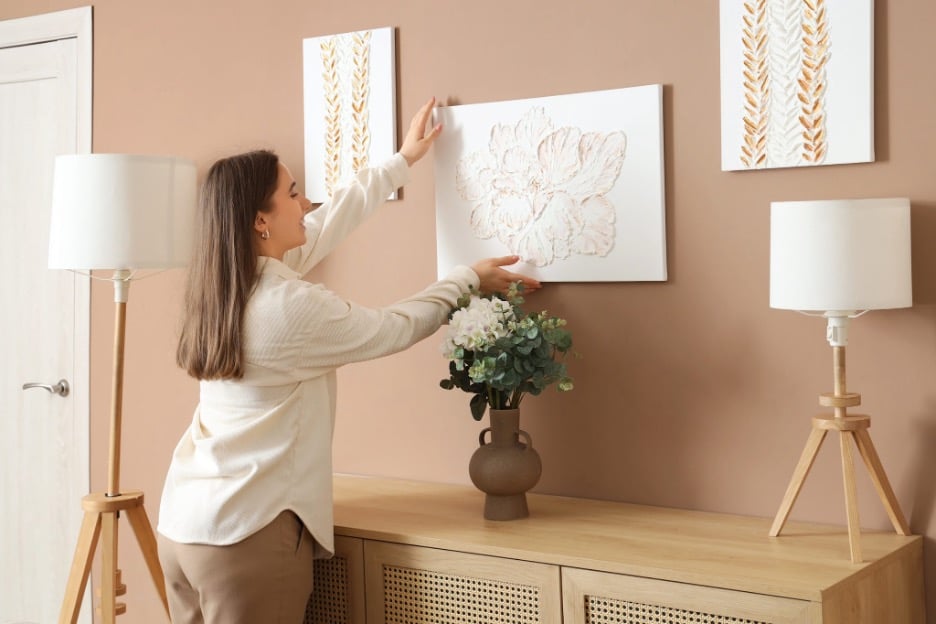
A room full of nice furniture can still feel unfinished. You might have spent real money on a sofa, a rug, and a coffee table, but something still feels off. That feeling is almost always about layering. The individual pieces are not the problem. The way they relate to each other is. Learning how to layer furniture and décor is the difference between a room that looks assembled and one that feels intentionally put together.
What Does It Actually Mean to Layer a Room?
Layering a room means building it in deliberate stages so that every element adds depth, visual interest, and function without competing for attention.
Think of it the way you would get dressed. A shirt alone is fine. Add a jacket, a belt, and the right shoes, and suddenly the outfit has dimension. The same principle applies to a room. Your sofa is the shirt. The rug, the lighting, the throw pillows, the artwork, the plants, and the accent pieces are everything else. Each layer adds something without overwhelming the one beneath it.
Most rooms that feel flat are missing one or more of those layers. Most rooms that feel chaotic have layers that are fighting each other instead of working together. The goal is balance, and it is more achievable than most people think once you understand the order of operations.
Where Do You Start When Layering a Room?
Always start with the largest pieces first and work your way down to the smallest details.
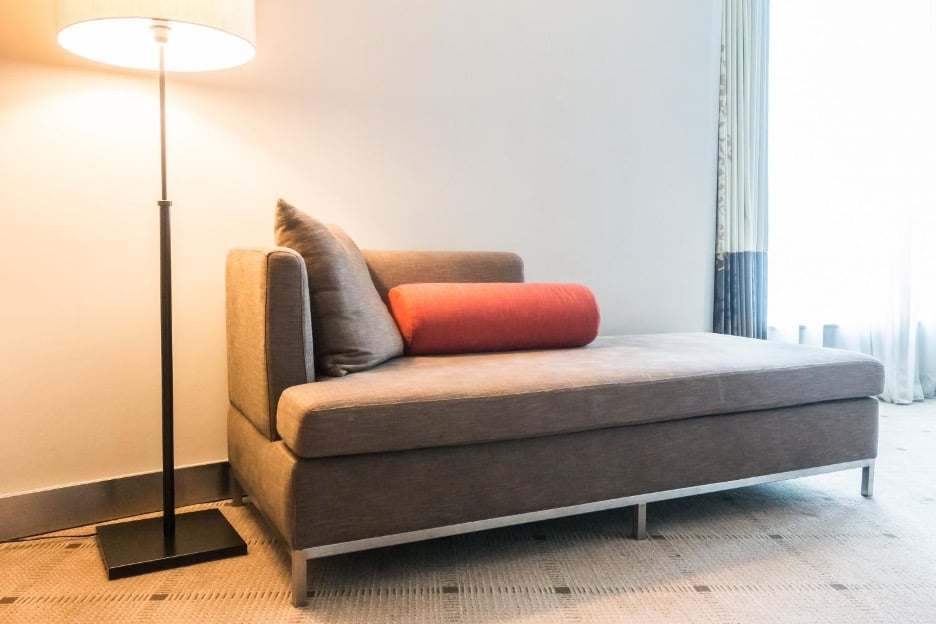
The foundational layer is your major furniture. This includes the sofa, the bed, the dining table, or whatever the primary seating or activity piece is for that room. These pieces establish the scale of everything that follows. If your sofa is large and low-profile, the rest of the room needs to respond to that. A tall, heavy bookcase on the opposite wall can work well. A spindly accent table right next to it will look out of proportion.
The second layer is your rugs and lighting. These two elements define zones within a room and set the mood more than almost anything else. A rug anchors the furniture grouping and tells the eye where the seating area begins and ends. Lighting establishes warmth and atmosphere. Getting these right before adding anything else saves a significant amount of time and money later.
The third layer is accent furniture. Side tables, ottomans, accent chairs, and consoles fall here. These pieces fill in the functional gaps and add visual variety without competing with the foundational pieces.
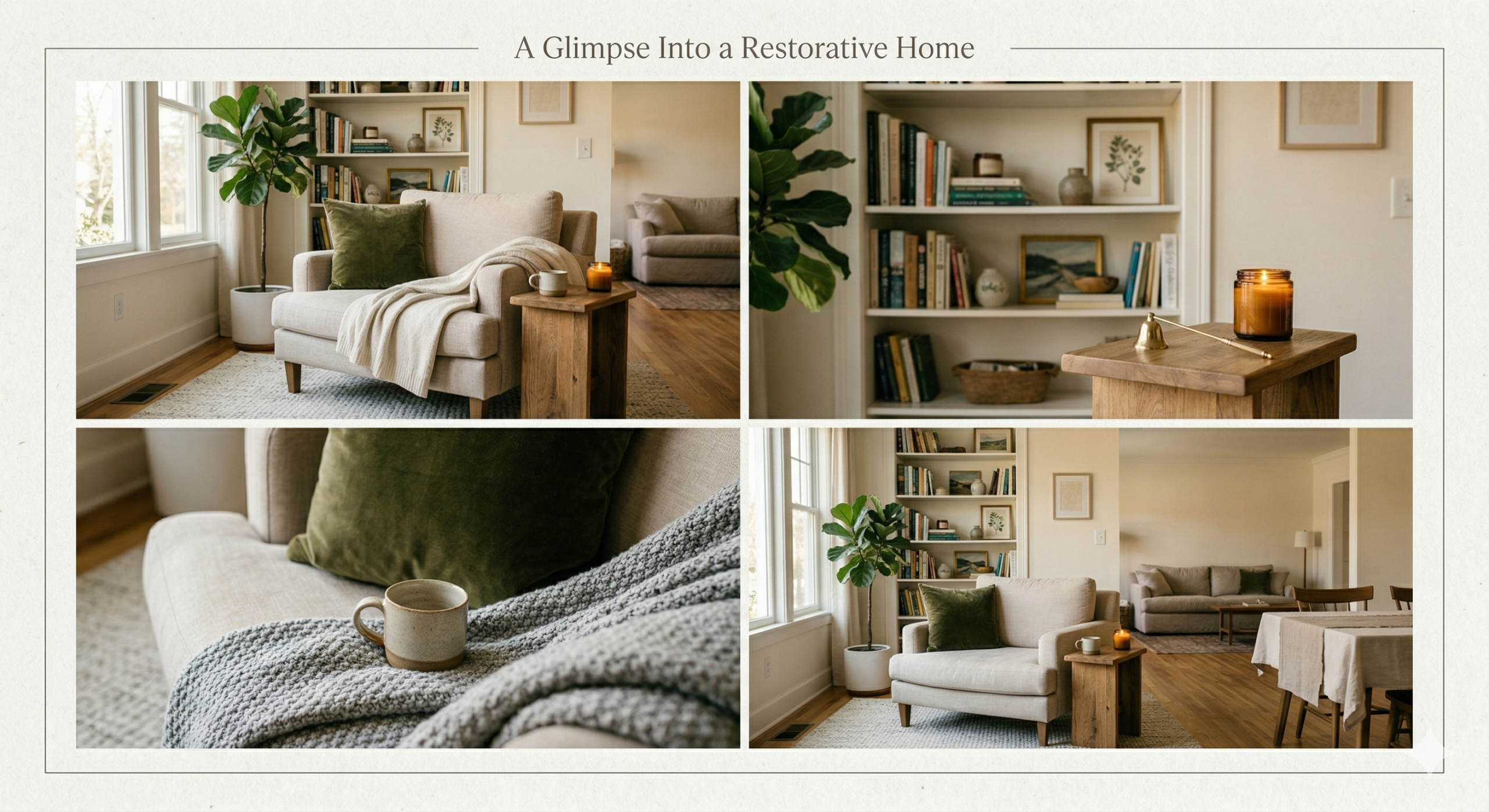
The fourth and final layer is décor. This includes throw pillows, blankets, artwork, mirrors, plants, books, candles, and any decorative objects. These are the pieces that make a room feel lived in and personal.
How Does Scale Affect the Way a Room Looks?
Scale is one of the most misunderstood concepts in furniture and décor, and getting it wrong is one of the fastest ways to make a room feel off.
Scale refers to the size of a piece relative to the room and to the other pieces around it. A king-sized bed in a small bedroom leaves no room to breathe. A loveseat in a large open-plan living room disappears into the space. Neither is a matter of taste. Both are matters of proportion.
A few practical rules make this easier to manage. Larger rooms can support bigger, bolder furniture with more visual weight. Smaller rooms benefit from pieces with exposed legs, which create the impression of more floor space. In any room, varying the heights of your pieces adds visual interest. A room where every piece sits at the same height tends to feel monotonous.
When shopping for accent furniture and décor, hold the scale of your foundational pieces in your mind. A coffee table should be roughly two thirds the length of the sofa it sits in front of. Artwork above a sofa should be at least half the width of the sofa. Throw pillows should be proportional to the sofa cushions, not so small they look like afterthoughts.
What Role Does Color Play in Layering?
Color is the thread that runs through every layer of a room and holds it together visually. It does not need to be complicated, but it does need to be intentional.
The most reliable approach is to work with a color story of three to four tones. One dominant color, usually the largest piece in the room, one secondary color that appears in the rug or accent chairs, and one or two accent colors carried through the smaller décor pieces.
You do not need to match everything. In fact, rooms that match too perfectly tend to feel sterile. What you are going for is harmony, not uniformity. A navy sofa does not require navy throw pillows. It might look better with warm terracotta pillows and a cream throw because those tones complement the navy without repeating it.
Texture plays into this too. When you are working with a limited color palette, texture is what keeps the room from feeling flat. A linen sofa, a jute rug, a velvet accent pillow, and a wooden side table can all live in the same neutral color family and still feel rich and layered because the surfaces are so different from each other.
How Do You Create Balance Without Making a Room Feel Symmetrical?
Perfect symmetry can feel stiff and formal in most home settings. What you are actually aiming for is visual balance, which is a different thing entirely.
Visual balance means that the room feels stable and comfortable to look at, even if the two sides of the space are not mirror images of each other. You can achieve this through a mix of symmetrical and asymmetrical arrangements.
A symmetrical arrangement works well around a focal point like a fireplace or a bed. Two matching nightstands, two matching lamps, two matching chairs flanking a sofa. This kind of balance reads as calm and intentional.
Asymmetrical balance is trickier but more interesting. It means placing a large piece on one side of a room and balancing it with two or three smaller pieces on the other side. A tall floor lamp on one side of a sofa can be balanced by a cluster of smaller objects on the other, such as a side table, a plant, and a piece of art at varying heights. The visual weight ends up roughly equal even though the pieces are completely different.
Step back and look at the room from the doorway. If your eye keeps getting pulled to one side and drops off, the balance is off. If it moves around the room and settles comfortably, you are close.
What Are the Most Common Layering Mistakes to Avoid?

Even well-furnished rooms fall into a few predictable traps that flatten the final result.
The most common mistake is stopping too early. A lot of homeowners get the furniture in place, add a rug, and call it done. Without that final layer of smaller décor, art, and personal objects, the room feels like a showroom floor rather than a home.
The second mistake is buying all the décor at once. Rooms that are filled out in a single shopping trip tend to feel coordinated in a way that reads as forced. The best-looking rooms are built over time, with pieces collected from different sources at different moments. That variety is what gives a room its character.
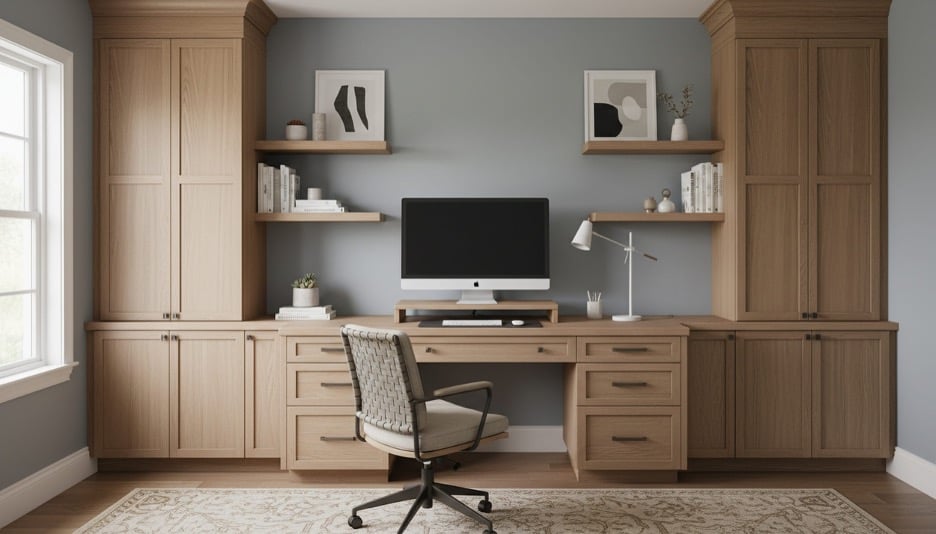
The third mistake is ignoring vertical space. Most people think about furniture and décor in terms of horizontal surface area. But walls, shelves, and upper corners of a room are part of the layering equation too. Artwork hung too low, shelves left empty, or bare walls above a sofa all signal an unfinished room. A general rule: artwork should be hung so its center sits at roughly eye level, which is typically around 57 to 60 inches from the floor.
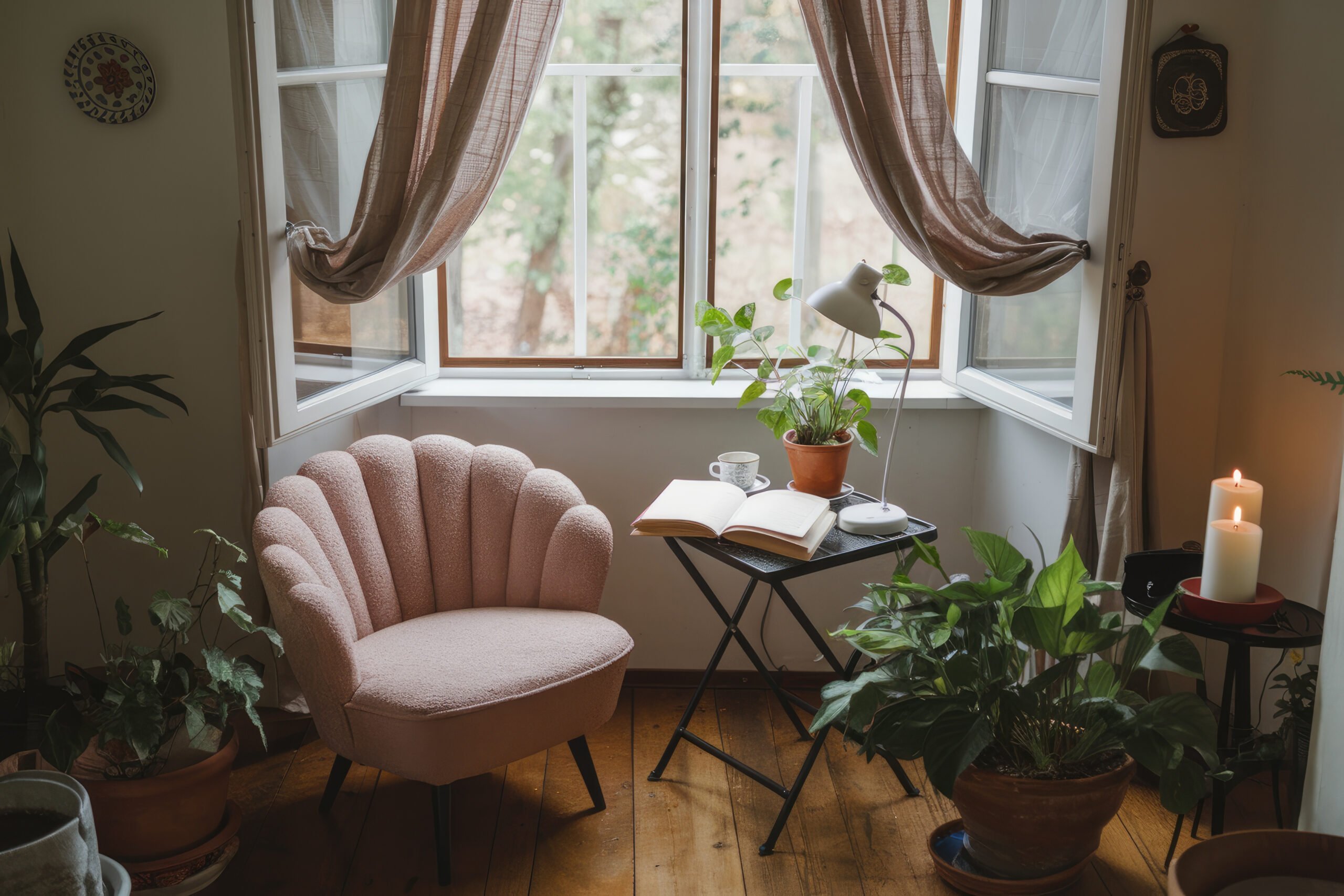
The fourth mistake is underestimating lighting. Overhead lighting alone flattens a room. Layering in table lamps, floor lamps, and even candles creates pools of light that add warmth and dimension, especially in the evening.
Frequently Asked Questions
How many décor pieces are too many in one room?
There is no fixed number, but a good test is to remove one third of what you have and see if the room breathes better. Overcrowding is more common than under-decorating in most homes. Curating down to the pieces that genuinely add something, whether visually or personally, almost always improves the result.
How do you layer a small room without making it feel cluttered?
Focus on fewer pieces with more impact. In a small room, one well-chosen piece of artwork, one quality lamp, and two or three carefully selected accessories will always look better than a dozen smaller items competing for attention. Keeping the color palette tight and the surfaces relatively clear helps the room feel open even with meaningful layers in place.
Should furniture in the same room match each other?
Pieces do not need to match, but they should relate. A mix of wood tones, finishes, and styles works when there is a consistent thread running through the room, whether that is a shared color, a repeated material, or a similar leg style. Matching too perfectly reads as dated. Mixing with intention reads as collected and personal.
How do you know when a room is finished?
A room feels finished when nothing is drawing attention for the wrong reason. No bare wall that clearly needs something. No piece that looks like it wandered in from a different room. No surface that feels empty or over-filled. When your eye moves through the space without snagging, the layering is working.
What is the easiest way to update the layering in a room you already have?
Start with the textiles. Swapping throw pillows, adding a new throw blanket, or changing out a rug is the fastest and most affordable way to shift the feel of a room. From there, look at your lighting. Adding one new lamp in a room that relies entirely on overhead lighting will make a noticeable difference without touching a single piece of furniture.
The Bottom Line
Layering a room is not about buying more. It is about being intentional with what you have and what you add. Start with your largest pieces, build toward the smallest details, keep scale and color working together, and give the room time to develop. The spaces that feel most complete are rarely the ones that were finished all at once. They are the ones where every piece has a reason to be there.